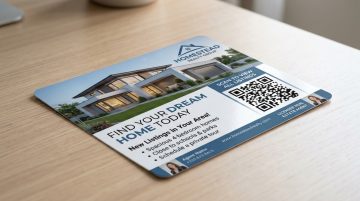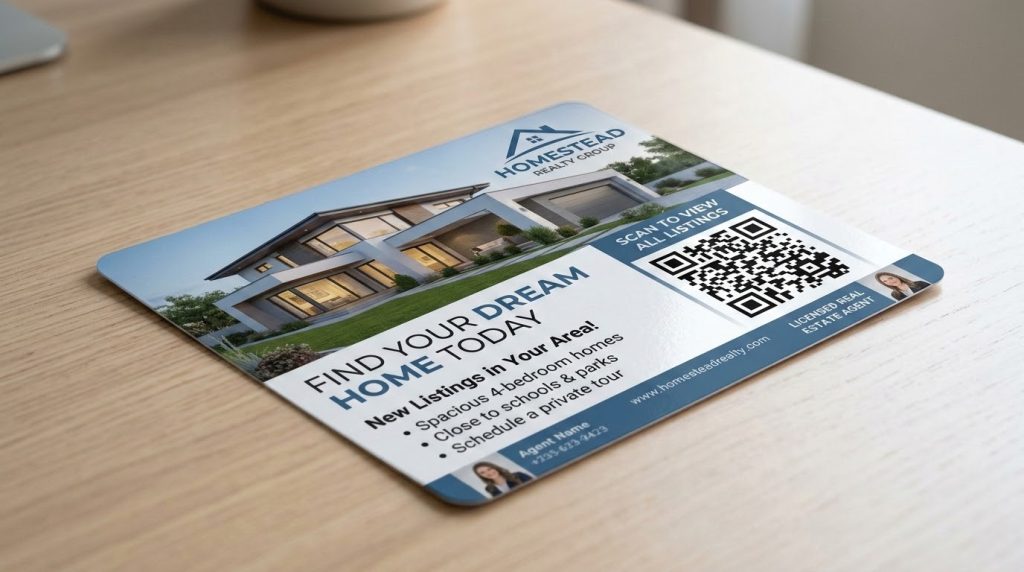
Real estate marketing still depends on physical moments. A buyer walks past a yard sign. A neighbor takes a brochure from a box. A couple attends an open house. A seller reviews an agent’s listing presentation at the kitchen table.
QR codes make those physical moments easier to connect to digital action. Instead of asking someone to remember a URL or type an agent’s name into a search bar later, the code sends them directly to the relevant listing, video, form, or booking page.
For agents, the value is not novelty. It is speed, convenience, and measurement.
Yard Signs That Do More Than Display a Phone Number
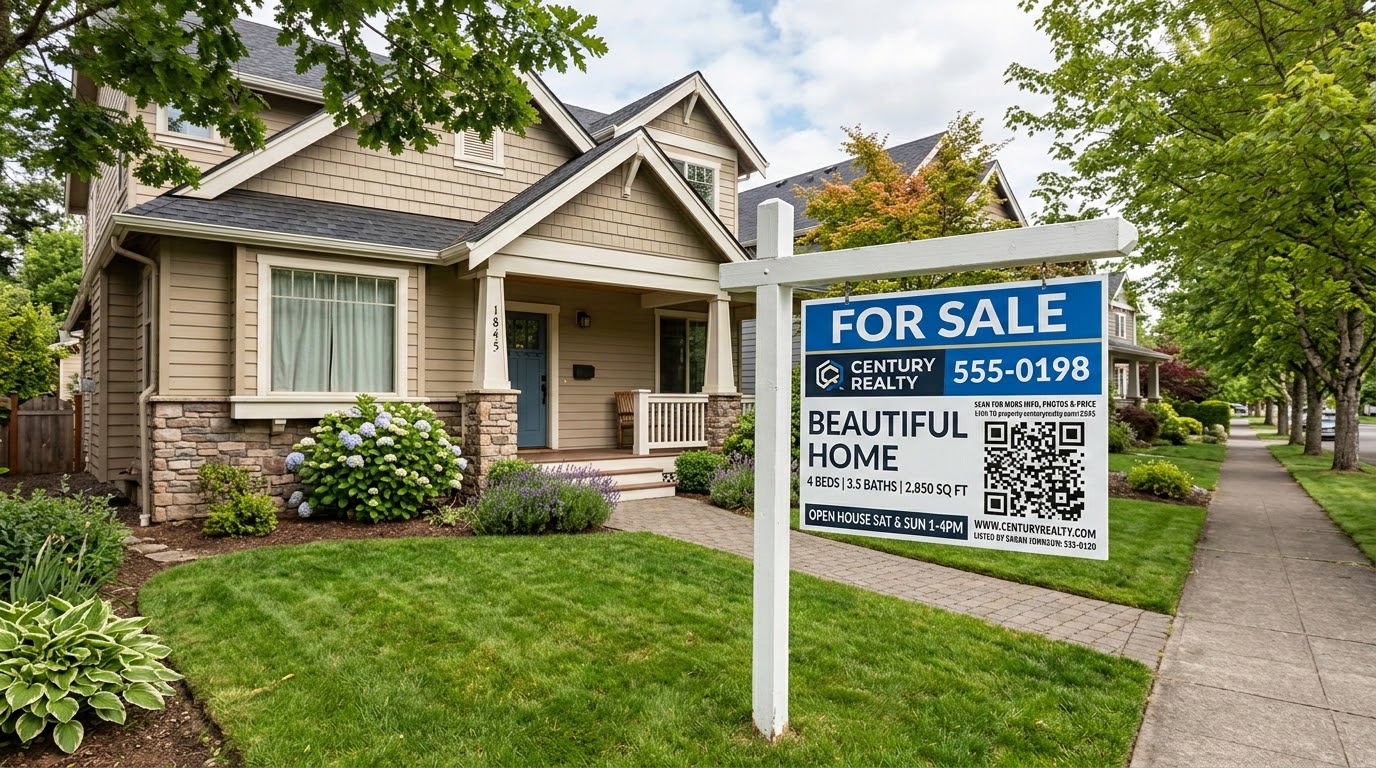
A yard sign has a brief window to capture attention. Someone walking the dog or driving through the neighborhood may be curious, but not curious enough to call an agent immediately.
A QR code gives that person a lower-friction option. They can scan for photos, price details, a floor plan, open-house times, or a video walkthrough. If the listing page includes a viewing request form, the sign can produce a lead while the office is closed.
This works best when the destination is built for mobile. A slow listing page with tiny images wastes the scan. A clear page with the essential property details, strong photography, and a simple enquiry form makes the sign much more useful.
Brochures That Carry the Full Story
Printed brochures remain valuable because they feel tangible and considered. But they cannot carry everything a buyer wants to know.
A QR code on a brochure can link to a video tour, drone footage, school information, commute times, renovation history, energy details, or neighborhood guides. The brochure stays elegant while the digital layer handles depth.
Different codes can also reveal what buyers care about. If the code next to the floor plan is scanned more often than the code for the neighborhood guide, that tells the agent something about buyer priorities.
Open Houses Without the Clipboard Problem
The traditional open-house sign-in sheet creates several issues. Handwriting is unclear, details are incomplete, and visitors may avoid writing personal information where others can see it.
A QR code at the entrance can open a short registration form. Visitors enter their details on their own phone, opt into follow-up, and indicate whether they are actively looking, just browsing, or representing someone else.
Agents should keep the form brief. Name, email or phone, buying timeframe, and permission to follow up is usually enough. The goal is to start a useful conversation, not interrogate someone before they have seen the kitchen.
Listing Presentations With Evidence
Sellers want to know how an agent will market their property. QR codes can help agents show that their approach is not just attractive but measurable.
An agent can bring anonymized examples from previous campaigns: yard sign scans, brochure scans, video views, enquiry forms, and open-house registrations. This turns the listing presentation into a more concrete discussion about exposure and engagement.
It also helps sellers understand the difference between passive marketing and active marketing. A sign in the ground is useful. A sign that sends buyers to a tracked digital experience is more useful.
Postcard Farming and Local Campaigns
Direct mail is still common in real estate because location matters. about a recent sale, market update, or valuation offer can be made more actionable with a QR code.
Instead of sending recipients to a generic homepage, the code can point to a local market report, a valuation booking page, or a short video explaining what recent sales mean for homeowners nearby.
The more local the destination, the better. A homeowner is more likely to scan for “See what homes sold for on your street” than for “Visit my website.”
Branding and Trust
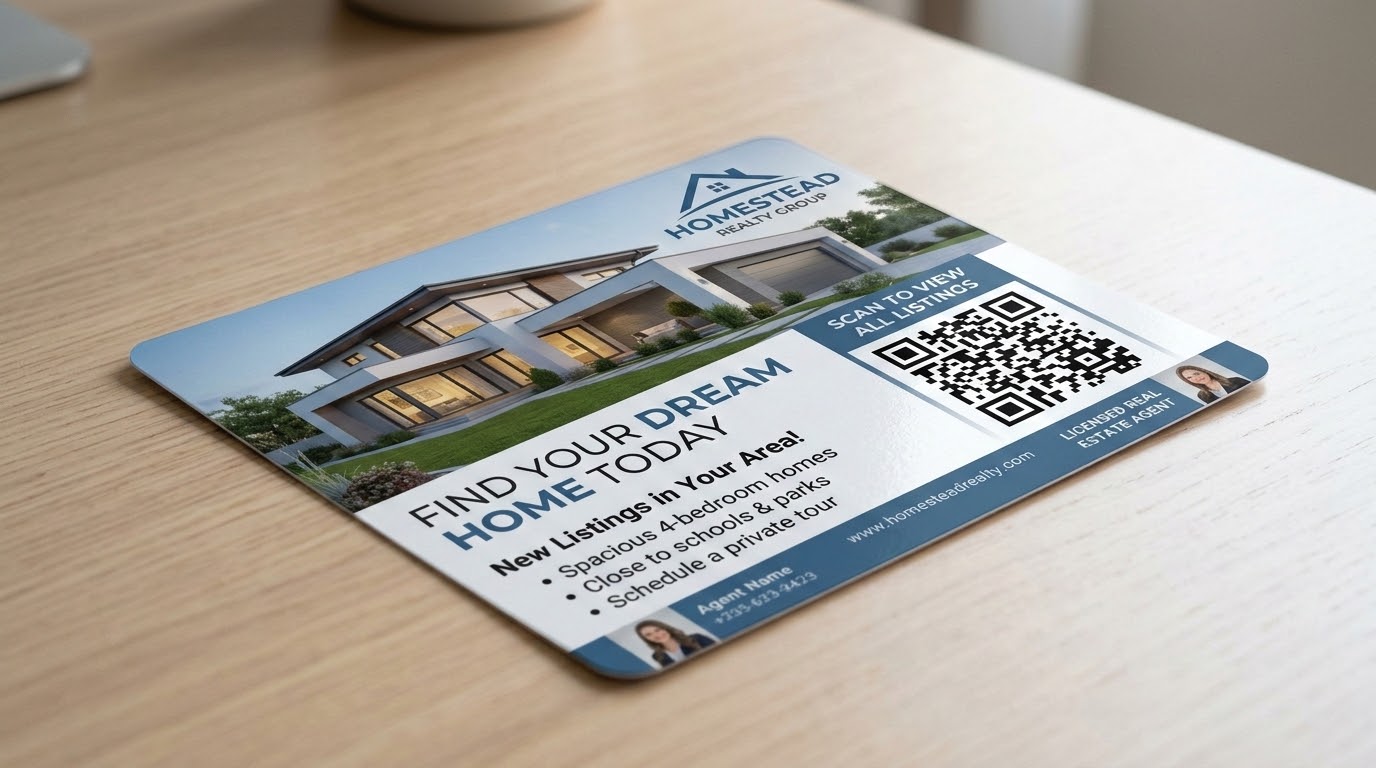
Real estate is a trust business, so QR codes should not look suspicious or unexplained. They need clear copy, consistent branding, and destinations that match the promise on the printed piece.
Agents using a tool such as QRStuff QR code generator can create codes for signs, flyers, brochures, and digital contact cards, then test them before sending materials to print.
Every code should answer three questions: What will I get if I scan? Is this relevant to the property or neighborhood? Can I act quickly once the page opens?
QR codes will not replace strong pricing advice, local knowledge, negotiation skill, or good photography. They simply help more interested people take the next step at the moment they are interested. In a competitive market, that small convenience can be enough to turn curiosity into a conversation.