Power cuts can interrupt lighting, cooling, communication, and other everyday activities within seconds. For many households, these interruptions make reliable energy planning increasingly important.
Solar panels can generate electricity during daylight, but their presence alone does not guarantee power during an outage. A solar inverter for home plays the central role in deciding how that energy moves through the property. Its response depends on the system type, connected battery, selected loads, and available sunlight.
Understanding this sequence helps homeowners plan suitable backup without making the process feel complicated. Let us examine what happens when the grid stops and how the system responds.
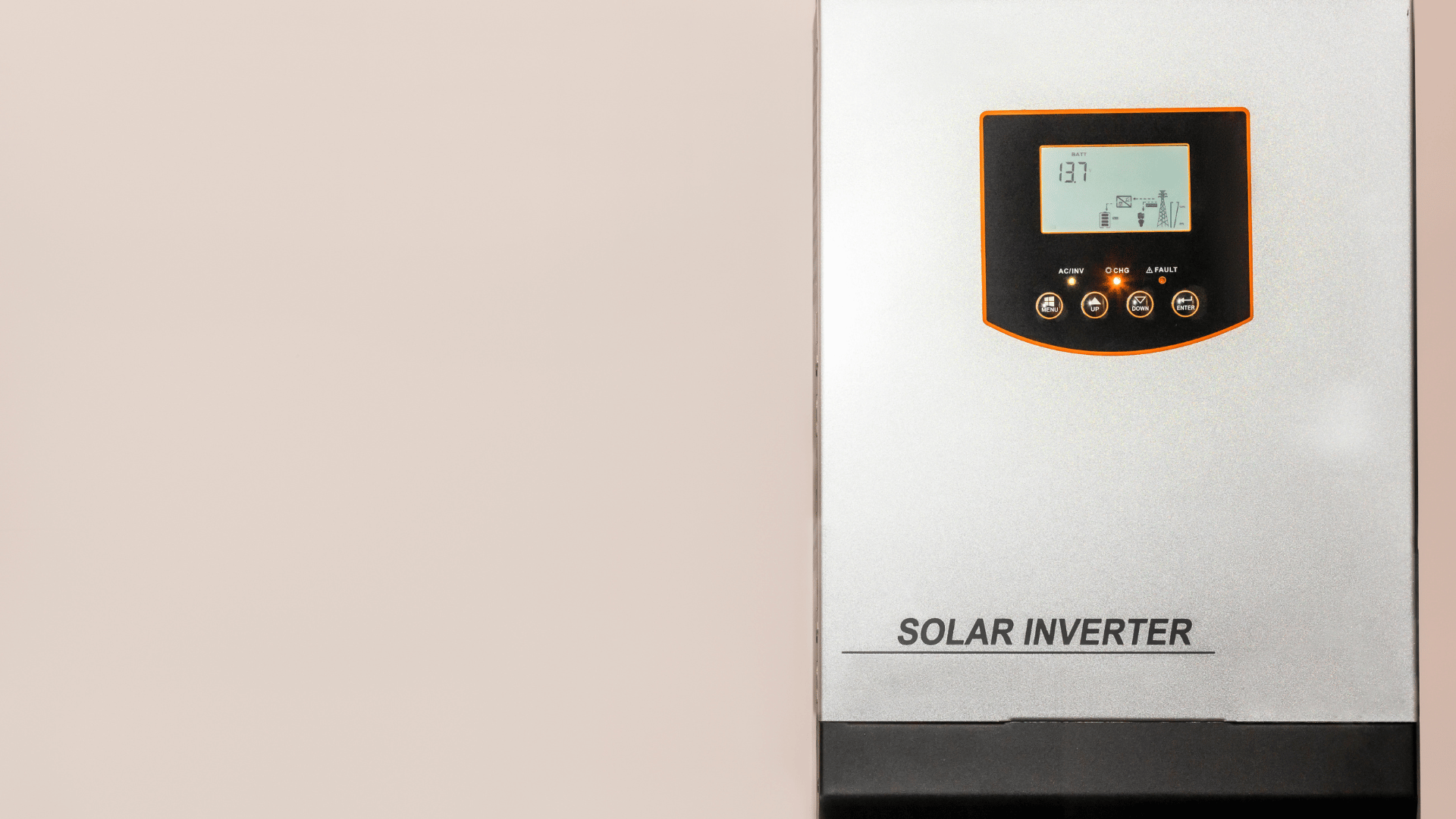
What Happens to a Solar Inverter During Grid Cuts?
Every grid-connected inverter continuously monitors the voltage and frequency of the utility supply. When the grid stops, it detects the interruption almost immediately. A standard on-grid solar inverter for home stops supplying power during a grid cut.
This response occurs even when the panels continue receiving sunlight. The inverter uses an anti-islanding safety function to prevent electricity from entering disconnected utility lines. This protection allows maintenance teams to work safely.
A hybrid inverter with battery backup can continue powering selected household circuits. It first separates those circuits from the utility network and creates a local supply. The solar inverter for home then uses available panel generation, stored battery energy, or both.
Therefore, solar power during a grid cut depends on more than sunlight. The inverter type and backup arrangement decide whether household circuits remain active.
How Does a Solar Inverter for Home Work During a Grid Cut?
A backup-capable system follows a clear sequence from detecting the interruption to restoring normal operation. Each stage manages safety, energy conversion, and household demand.
- Detecting the Interruption
The inverter constantly checks grid voltage and frequency. When these values disappear or move beyond the permitted range, it recognises an outage.
- Separating From the Grid
The solar inverter for the home disconnects the backup circuit from the utility network. This process prevents locally generated electricity from reaching external power lines.
- Activating Backup Mode
After safe separation, a backup-ready inverter activates its emergency operating mode. It checks the available solar generation, battery charge, and connected appliance demand.
The system then directs electricity towards the circuits chosen during installation. These commonly include lights, fans, refrigerators, routers, televisions, and charging points.
- Assessing Available Energy
The inverter checks current panel output, battery charge, and household demand before distributing electricity. This assessment helps it use each available source efficiently. If sunlight is limited, the battery takes a larger role. Strong solar generation allows the system to preserve more stored energy.
- Balancing Solar and Battery Power
During bright conditions, solar panels may supply most household demand. Surplus generation may also recharge the battery while backup loads remain active. When panel output falls, the solar inverter for the home draws DC electricity from the battery. It converts that energy into usable AC electricity.
- Managing Connected Appliances
The inverter supplies only the loads connected to its backup circuit. High-power appliances require careful planning because they can use stored energy more quickly. Families can prioritise essential appliances and stagger heavier loads. These choices help the available battery charge support the household for longer.
- Returning to Normal Operation
When utility power returns, the inverter first checks its voltage and frequency. It reconnects only after confirming that the grid supply is stable. The solar inverter for home then leaves backup mode and resumes its normal energy management pattern. Solar power can again serve loads and recharge the battery.
What Determines Solar Inverter Performance During Grid Cuts?
Backup performance depends on the complete system rather than the inverter alone. The following factors shape available power and operating time:
- Inverter Capacity: The inverter must support the combined running load and starting demand of selected appliances.
- Battery Capacity: Greater usable battery storage can support essential circuits for a longer period.
- Solar Generation: Sunlight intensity, panel capacity, orientation, and shading affect daytime electricity production.
- Connected Loads: Each additional appliance increases demand and influences the available backup duration.
- Appliance Starting Load: Motors in refrigerators, pumps, and air conditioners may briefly require higher power during startup.
- System Efficiency: Conversion losses, wiring quality, battery condition, and component compatibility influence usable energy.
- Usage Pattern: Staggering high-load equipment can distribute demand more effectively across the outage period.
A well-sized solar inverter for home should match the property’s essential loads and preferred backup duration.
Bring Greater Continuity to Your Home
Effective backup begins with a clear understanding of which appliances matter most during an interruption. From there, homeowners can select capacities that match their routines without placing unnecessary demand on the system.
Energy solution providers like Eastman Auto & Power Limited can help assess household loads and identify suitable solar and battery configurations. Professional installation also ensures that backup circuits, safety devices, and system settings work together correctly.
With a carefully planned solar inverter for the home, grid cuts can become easier to manage while daily comfort remains supported. The result is a balanced energy setup designed around practical household needs and responsible solar use.