
New medspas open each month across major cities and growing suburbs. Many offer injectables, laser services, and wellness treatments from small clinical spaces. Owners often rely on software to manage bookings and patient records. Fewer realize that compliance now needs digital tracking as well.
Many clinics must work with licensed physicians who review treatments and patient protocols. A collaborating physician for med spa owners often provides required supervision and documentation. Digital systems help clinics maintain records and track approvals. These tools reduce paperwork while keeping clear oversight.

Digital Growth In Medical Aesthetic Clinics
Medical aesthetics has grown alongside telehealth and remote care technology. Clinics now use cloud systems for charts and consent forms. Staff access patient data from secure dashboards during treatments. This setup saves time and reduces filing errors.
Many states require physician oversight for medical procedures. These rules apply even when physicians are offsite. Digital supervision tools allow faster reviews and approvals. Clinics document activity in real time for future audits.
Remote Physician Oversight
Remote oversight allows physicians to supervise multiple clinics across different regions. Secure logins protect patient data and physician credentials. Doctors review treatment plans before staff perform procedures. This process keeps medical decisions documented and traceable.
Video calls and shared dashboards improve communication between staff and physicians. Clinics avoid delays caused by travel or scheduling conflicts. Physicians respond faster to treatment questions. Patients receive care without waiting for in person reviews.
Data Storage And Audit Trails
Digital platforms store records in structured databases with timestamps. Each entry shows who created or updated information. Audit trails track treatment changes and physician approvals. These records support compliance during inspections.
Paper files often create gaps in documentation. Missing signatures or dates cause compliance problems. Digital tools reduce these errors by requiring complete entries. Clinics maintain consistent records across all locations.
Compliance Standards And Documentation
Regulators expect clinics to maintain clear medical documentation. Patient safety depends on accurate treatment records and supervision. Digital records make these files easier to organize. Clinics produce reports quickly when requested.
The U.S. Food and Drug Administration provides guidance on safe use of medical devices. Clinics follow these guidelines when offering treatments with regulated equipment. Digital logs track device usage and maintenance schedules. These logs help clinics maintain safe operating conditions. More information appears at the FDA medical devices page.
Licensing And Verification
Clinics must verify physician licenses before offering medical treatments. Expired licenses create legal and insurance problems. Digital verification systems track renewal dates automatically. Staff receive alerts before licenses expire.
Some clinics operate across several states. Each state has its own licensing requirements. Digital systems organize credentials by location. Physicians maintain active licenses where required.
Policy And Procedure Records
Every clinic maintains written treatment protocols and safety steps. Staff follow these procedures during patient visits. Digital platforms store updated policy documents. Clinics distribute updates quickly to all staff.
Policy updates often follow new regulations. Staff must review these updates before treating patients. Digital signatures confirm that staff completed training. Managers track compliance through reporting dashboards.
Technology Supporting Telehealth And Medspas
Telehealth technology supports consultations before treatments begin. Patients complete intake forms through secure portals. Physicians review patient history before approving services. Clinics reduce intake time during appointments.
Remote consultations help patients discuss risks and expectations. Physicians determine whether treatments suit each patient. Clinics store consultation notes with patient records. Staff access these notes during procedures.
The Centers for Medicare & Medicaid Services outlines telehealth privacy and documentation expectations. Clinics apply similar standards to aesthetic consultations. Secure platforms protect patient health information. More telehealth guidance appears at the CMS telehealth resource page
Secure Communication Systems
Secure messaging allows staff to contact supervising physicians quickly. Physicians answer questions during active treatments. Clinics document each interaction automatically. This record supports clinical accountability.
Email alone does not provide full documentation. Messages may become lost or deleted. Secure systems store conversations with patient records. Clinics maintain a full communication history.
Integration With Clinic Software
Modern platforms connect scheduling and patient charts. Staff avoid entering the same data twice. Physicians review patient charts within one system. Clinics reduce administrative workload.
Integrated systems also support billing and reporting. Clinics track treatment frequency and outcomes. Managers review clinic performance through dashboards. Data helps clinics adjust services over time.
Risks Without Digital Oversight
Clinics without digital compliance tools often struggle with documentation. Paper files slow down daily work. Staff spend time searching for missing forms. This delays patient care and creates frustration.
Missing records create legal risks for clinic owners. Inspectors expect clear documentation and signatures. Clinics must show physician involvement when required. Digital systems simplify this process.
Common risks include:
- Missing physician approvals for treatments
- Expired licenses on file
- Incomplete patient records
- Lost consent forms
- Untracked device maintenance
Digital tracking reduces these problems. Staff follow clear workflows for each patient visit. Clinics maintain organized records year round.
The Future Of Physician Collaboration

Technology continues to change how physicians support clinics. Remote supervision will likely expand across many specialties. Clinics already rely on secure platforms for daily operations. These tools support both safety and efficiency.
Artificial intelligence tools may assist with compliance reviews soon. Systems could flag missing documents automatically. Physicians may receive alerts before compliance problems appear. Clinics will respond faster to regulatory changes.
Digital collaboration also improves physician availability. Clinics connect with physicians across wider regions. Patients receive supervised care without delays. Technology supports consistent clinical standards.
Practical Steps For Clinics
Clinic owners often start with simple digital tools. Cloud storage replaces paper filing cabinets. Secure logins protect patient records. Staff learn systems through short training sessions.
Clear workflows help staff follow compliance steps. Each treatment includes required documentation. Physicians review and approve treatments when needed. Clinics maintain organized digital files.
Digital compliance tools support safe and efficient clinic operations. Physician collaboration becomes easier through shared systems. Clinics maintain accurate records without excess paperwork. Organized systems support long term clinic growth.
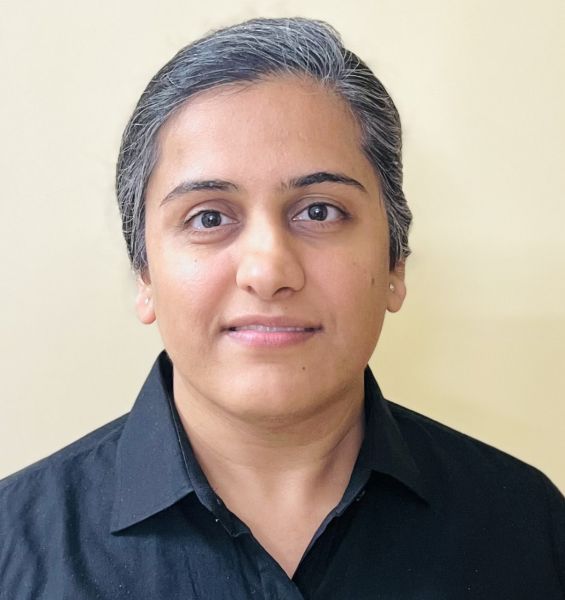
Pallavi Singal is the Vice President of Content at ztudium, where she leads innovative content strategies and oversees the development of high-impact editorial initiatives. With a strong background in digital media and a passion for storytelling, Pallavi plays a pivotal role in scaling the content operations for ztudium’s platforms, including Businessabc, Citiesabc, and IntelligentHQ, Wisdomia.ai, MStores, and many others. Her expertise spans content creation, SEO, and digital marketing, driving engagement and growth across multiple channels. Pallavi’s work is characterised by a keen insight into emerging trends in business, technologies like AI, blockchain, metaverse and others, and society, making her a trusted voice in the industry.