If you work at a large sporting event, such as part of the concession staff, security personnel, groundskeeper, or broadcast crews, you face a wide range of physical, environmental, and crowd-related hazards. Big venues host tens of thousands of spectators and often have complex, temporary infrastructures. Injuries can easily happen due to the fast-paced operations and high-stress conditions surrounding you.
Crowd-Related Hazards
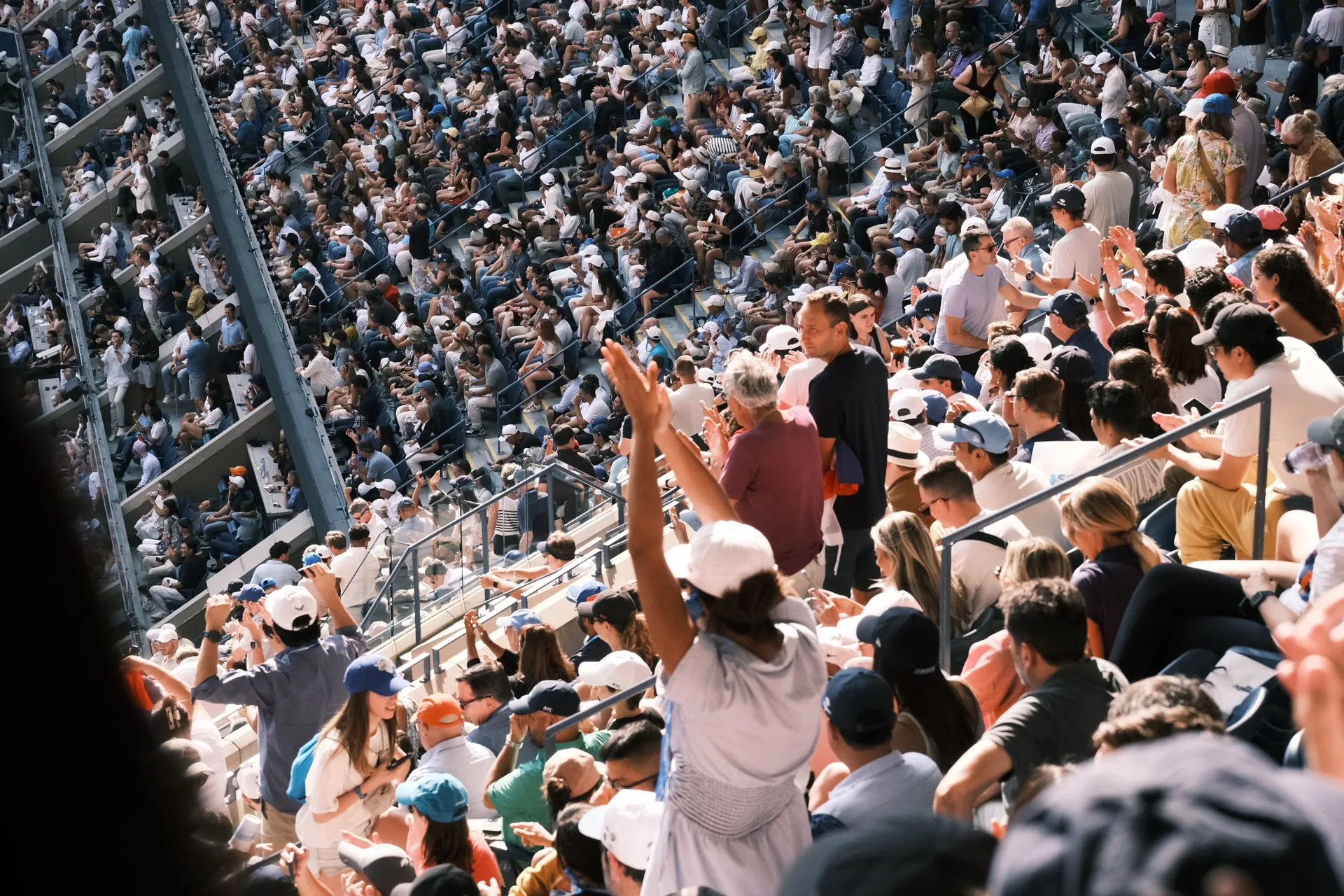
Large crowds create physical pressure and can restrict escape routes for staff members who work near concourses, gates, and sidelines. When the gates open, there can be post-game field storming, emergency evacuations, or a sudden movement of the crowd. These situations can pin employees against walls, turnstiles, or fixed barriers. When your workstation is in a narrow bottleneck or on steep stadium stairs, moving crowds put you at risk of being knocked down and stepped on. Congested concourses and heavy foot traffic prevent medical and security personnel from safely reaching injured people or being able to remove them quickly.
Intense team rivalries, alcohol consumption, and crowd anonymity may escalate into aggressive behavior directed at the stadium staff. Security guards, alcohol vendors, and ticket takers routinely get pushed, punched, or spit on when they eject unruly fans, cut off alcohol service, or deny entry. Employees who try to break up fights between rival fans risk getting caught in the crossfire. They can suffer concussions, lacerations, or sprains. You may also encounter frustrated or intoxicated spectators who throw full beverage cans, food, bottles, or stadium giveaways. When these items are aimed at the field or staff areas, you could end up with head or eye injuries.
Dropped food, spilled drinks, and discarded trash pile up quickly in stairwells and concourses. This makes it easy for custodial and service staff to slip and fall. Spectators who congregate in aisles or leave bags and strollers in the walkways create tripping hazards. These items also prevent staff from safely moving heavy supply carts. There’s also the noise. Air horns, crowd roars, and whistles in enclosed arenas often exceed 100 decibels. This leads to permanent hearing damage and tinnitus for those working long shifts without hearing protection.
Before and after events, there are thousands of pedestrians making their way through the parking lots and surrounding roads. This creates hazardous conditions for exterior staff. Traffic directors, parking attendants, and shuttle drivers work in proximity to impaired, distracted, and impatient drivers who are leaving the venue.
Setup, Rigging, and Venue Operations
Crews will quickly assemble temporary seating, barricades, modular flooring, and stages. They’re lifting heavy items in awkward positions. This leads to severe muscle strains, sprains, and injuries from crushing. Furthermore, staff frequently encounter forklifts, boom lifts, scissor lifts, and utility carts that operate simultaneously in crowded field tunnels and crowded concourses. With blind spots and heavy traffic, it’s easy to get struck by or caught between these vehicles. Then there are the high-voltage feeder cables for broadcast trucks, concession stands, and temporary lighting that create electrocution and arc-flash hazards. In addition, you can trip over unprotected cables crossing walkways.
Riggers have to climb catwalks, steel beams, and roof trusses that are 100 to 300 feet above the arena floor. This is to hang scoreboards, lighting grids, and speakers. Improper harness use, missing anchor points, and sudden line tension may result in fatal falls or suspension trauma. Ground crews regularly have to work directly beneath overhead riggers. Unsecured shackles, tools, or dropped hardware pose the risk of lethal impact to those below. Systems can also shift or collapse when dynamic load weights are miscalculated or pre-use inspections for cables and hoists are skipped. High ambient noise and obstructed sightlines further put workers at risk. When operators and spotters have a communication breakdown, loads can swing out of control or snag on stadium structures.
No matter what your job is, you’re likely transitioning across wet concrete, synthetic turf, ice rinks, and dimly lit stairwells frequently. Condensation, spilled drinks, and low visibility make it easy to slip and fall, leading to operational injuries. Outdoor stadium staff can be exposed to prolonged heat stress, cold exposure, and sudden severe weather too. High winds are especially dangerous around temporary tents, outdoor staging, and camera towers.
Fatigue and tight turnaround times further add to the risk of injuries. Back-to-back events can result in having to transform an arena from a hockey rink to a concert venue overnight. This forces crews to work long, irregular hours. Fatigue reduces reaction times and increases human error during critical safety checks.
Hospitality and Concession Risks
Working in the concession and hospitality areas poses their own unique risk for injuries. Greasy kitchen floors lead to trips and falls that cause sprains, broken bones, and head injuries. The high volume of work in the concession kitchens puts workers at a constant risk of lacerations from food prep equipment and burns from fryers and grills. Those same workers often have to lift heavy kegs, merchandise boxes, ice chests, and folding chairs. This can result in back strain and repetitive stress injuries.
Then there’s the cleaning crew. They are constantly handling industrial sanitizers and disinfectants during rapid stadium turnarounds. This increases the risk of skin irritation and respiratory issues.
Because you face simultaneous risks from fast-moving crowds, heavy setup operations, and long shifts when working at large sporting events, you need to be cautious. Minimize the risk of injuries by using proper ergonomics, proactive crowd control, and strict equipment safety. Make sure there are clear emergency protocols in place as well. Combining personal safety habits with venue-level protections is your most effective defense. If you do get hurt on the job, contact a work injury lawyer for help.
For more informtion about workplace safety, 0Work Injury Advisor can also be an excellent resource.