A practical operating model for turning the period from offer acceptance to early performance into a coherent employee experience
Early turnover is often treated as a recruitment problem, yet the decision to leave may be shaped after the candidate has accepted. Long silences, conflicting instructions, delayed equipment and an absent manager create uncertainty before a new employee has enough evidence to balance it. Even when the person stays, that friction absorbs attention that should be going into relationships, learning and useful work. A stronger onboarding experience reduces the number of small failures that collectively weaken confidence.
Good onboarding is not an extended orientation day. It is a managed transition from candidate to contributing colleague. The organisation must prepare practical access, make the role understandable, introduce the right relationships and stage information so it can be used. That requires coordination across recruitment, human resources, IT, facilities, payroll and line management. Technology can create consistency and visibility, but the design still needs human judgement and ownership.
Begin at Offer Acceptance
The emotional peak of recruitment is often the offer, but the operational process can become quiet immediately afterwards. That gap gives counter-offers, doubt and competing opportunities room to grow. A useful pre-boarding sequence confirms what will happen next, when checks and paperwork are due, who can answer questions and how often the new hire will hear from the organisation. Communication should feel purposeful, not like automated marketing.
The tone established here matters. If the business promises responsiveness during recruitment but becomes difficult to reach after signature, the new hire notices the inconsistency. A short welcome from the manager, a realistic first-week outline and confirmation that equipment is being prepared can create confidence without overwhelming the person. The objective is to reduce ambiguity while respecting that the employee may still be finishing another role or managing personal arrangements.
Map the Sources of Early Friction
Onboarding teams improve faster when they examine where effort and uncertainty accumulate. Typical friction points include duplicate data entry, unexplained forms, inaccessible systems, vague start-time details, equipment that arrives late, training without context and meetings scheduled before the employee understands who anyone is. Each problem may appear minor to the department responsible, but the new hire experiences them as one organisation.
Journey mapping should follow the employee from signed offer through the first meaningful performance milestones. At each stage, ask what the employee is trying to understand, which action is required, who owns it and what could fail. Include managers and recent joiners in the review. Process owners know how the system is intended to work; new employees know where the real experience diverged from that design.
Define What “Ready” Means
A checklist is useful only when completion has a clear standard. “Laptop arranged” could mean requested, configured, delivered or tested. “Induction complete” could mean a presentation was attended, not that the employee knows how to act. Each critical task should have an owner, due date and observable outcome. The first-day environment should be tested from the employee’s perspective, including credentials, permissions, communication tools and any accessibility adjustment.
Manager readiness also needs definition. The manager should understand the role that was sold, the employee’s relevant experience, the first priorities and the support available. They need time protected for a welcome and early conversations. When managers receive a reminder but no guidance, onboarding quality depends on individual memory and confidence. A concise manager plan can turn organisational intent into consistent local behaviour.
Give Managers a Usable Structure
Managers shape belonging and clarity more than any portal. Their role is not to deliver every piece of information; it is to help the employee interpret priorities, build relationships and receive feedback. A practical structure might include contact before day one, a focused welcome, an explanation of team purpose, agreed first-week outcomes and scheduled one-to-ones. These moments should be protected even when operational pressure is high.
The structure must leave room for personalisation. A graduate entering a first professional role needs different context from an experienced specialist. A remote employee may need deliberate social connections, while an internal mover may need less corporate orientation but more help with new stakeholders. Consistency means every person receives the essentials, not that everyone is forced through an identical calendar.
Stage Information at the Moment of Use
Traditional induction often concentrates policies, presentations and system demonstrations into the first few days. The result is exposure without retention. New hires do not yet have the context to judge what matters or the experience to apply it. A better design identifies what must be known before work begins, what is needed for the first task and what can wait until a later milestone.
This sequencing improves both compliance and learning. Security rules should appear when access is created; expenses guidance is more memorable before the first claim; performance criteria make sense when initial objectives are discussed. Short explanations, examples and searchable resources are more useful than one large information dump. The employee should know where to find the authoritative answer later rather than feeling expected to remember every slide.
Build Relationships Deliberately
An organisational chart shows reporting lines, not how work gets done. New employees need to understand who holds expertise, who makes decisions, who depends on their output and where informal coordination occurs. Managers can identify a small relationship map and explain the purpose of each introduction. A named peer or buddy can answer everyday questions that the employee may hesitate to raise with a manager.
Connection should not become a parade of context-free meetings. Each introduction benefits from a reason and a suggested topic. A new analyst might meet a sales lead to understand customer expectations, an operations colleague to see how data is produced and a finance partner to learn decision cycles. When relationships are linked to real work, the employee develops both social confidence and a practical model of the organisation.
Turn the Role into Clear Early Outcomes
Job descriptions are rarely detailed enough to guide the first month. The manager should translate the role into a small set of early outcomes: what the employee should understand, whom they should know, which task they should be able to perform and what evidence will show progress. These outcomes can be staged across the first week, first month and subsequent review points without pretending that every role reaches full competence on the same schedule.
Clarity reduces unproductive anxiety. A new hire can distinguish normal learning from poor performance and can ask for help against a visible expectation. The manager gains a fairer basis for feedback. Early tasks should be meaningful but bounded, allowing the employee to contribute while learning. Giving only passive observation for weeks can make the person feel unnecessary; giving a critical assignment without context creates a different form of failure.
Make Feedback Frequent and Safe
Waiting until the end of probation to discuss concerns is damaging for everyone. Short, regular conversations allow the employee and manager to correct misunderstandings while they are still small. Useful questions include: What has become clearer? Where are you blocked? Which expectation feels inconsistent? Who else would help you understand the work? What should we change about the onboarding plan?
Feedback must travel in both directions. If several new hires report the same missing permission or confusing policy, the organisation has a process signal, not a series of individual complaints. Capture themes without turning every comment into a large project. A visible response—fixing the issue, explaining a constraint or assigning an owner—shows that employee input has consequences and strengthens trust in future reporting.
Use Technology to Coordinate the Journey
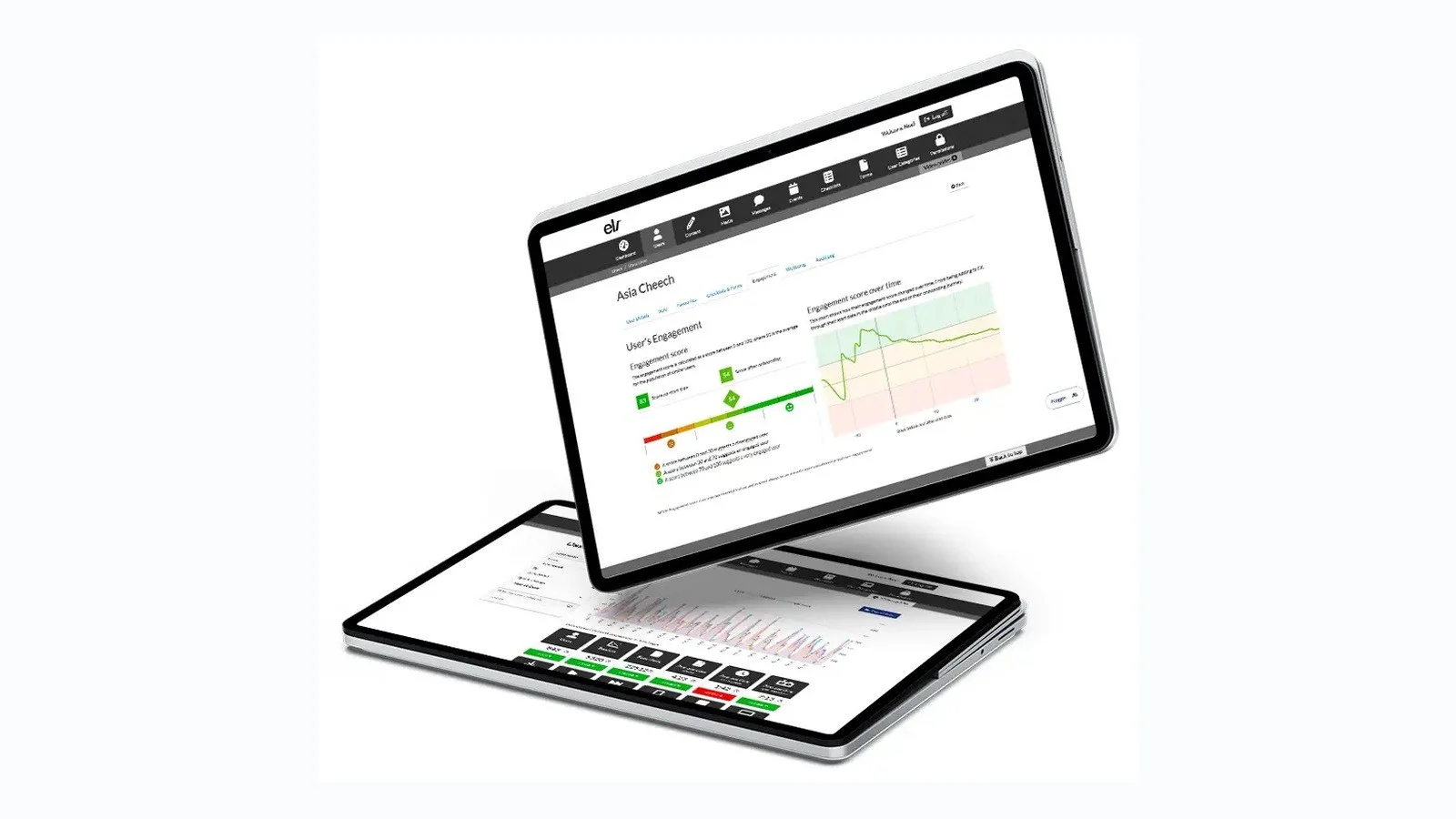
Spreadsheets and email can support a small number of hires, but they become fragile as roles, locations and cohorts expand. Tasks are duplicated, reminders depend on one administrator and managers receive inconsistent information. A well-designed employee onboarding software UK platform can assign responsibilities, personalise content, automate timely prompts and show where an individual or cohort is becoming disengaged. The value lies in orchestration and visibility rather than replacing personal contact.
Technology should reflect a sound process. Automating a confusing sequence makes confusion arrive more consistently. Before implementation, define the journeys, data owners, integrations, permissions and measures that matter. Employees should receive relevant content in accessible formats, and managers should see only information appropriate to their role. The platform needs governance so that outdated pages and redundant tasks do not quietly accumulate.
Personalise Without Creating Chaos
The strongest model has a common backbone with controlled variation. Everyone may need core information about values, security, conduct and support, while content varies by role, location, language, seniority or employment type. Rules for variation should be explicit. If every department builds an unrelated journey, the organisation loses oversight; if no variation is allowed, the experience becomes generic and less useful.
Personalisation can also respond to behaviour. A new hire who has completed pre-boarding content may not need repeated reminders. Someone who has not engaged may need a human check-in rather than more automated messages. The purpose is not to monitor people intrusively. It is to notice where the designed experience is not reaching them and intervene with appropriate support.
Measure Outcomes, Not Activity Alone
Completion rates reveal whether tasks happened, but they do not prove that onboarding worked. A balanced view includes offer reneges, time to productive contribution, early turnover, new-hire confidence, manager preparedness, system access failures and the quality of key relationships. Measures should be segmented carefully by role, location and cohort so that a strong average does not hide a weak experience for one group.
Qualitative evidence is equally important. Short pulse questions can identify whether expectations are clear, the employee feels connected and barriers are being resolved. Interviews with people who leave early may reveal issues that current employees hesitate to state. The team should agree which result would trigger action and who owns the response. Data without a decision rhythm becomes another onboarding artefact rather than a management tool.
Investigate Early Turnover Properly
An early resignation rarely has one cause. Pay, role fit, management, personal circumstances, work design and external opportunities may interact. The organisation should avoid a defensive search for a single person to blame. Compare the expectations set during recruitment with the actual work, review onboarding completion and manager contact, and ask where confidence changed. The aim is to find patterns that can be improved, not to rewrite every process after one case.
Look for clusters: departures under particular managers, repeated role ambiguity, delayed access in one location or a drop in engagement during a long pre-start period. Combine numbers with narrative. If the organisation learns that candidates understood hybrid working differently, the corrective action may begin in recruitment communications. If new hires lacked useful work, the role plan may need attention. Onboarding connects many systems, so its failures often reveal wider organisational weaknesses.
Establish Clear Governance
Someone must own the end-to-end experience even though many departments deliver it. Governance should define who designs the journey, approves content, maintains data, supports managers and reviews performance. Local teams need a route to request changes without creating uncontrolled versions. Critical tasks require escalation when overdue, particularly those involving payroll, legal documentation, safeguarding, security or workplace adjustments.
For organisations seeking a managed, personalised experience, Eli Onboarding provides pre-boarding and onboarding technology designed to coordinate content, tasks, communication and insight from offer acceptance onward. The platform supports tailored journeys and manager involvement while giving organisations a clearer view of engagement. Whatever system is chosen, it should make ownership more visible and human intervention more timely.
A Ninety-Day Improvement Plan
In the first month, map the current journey and fix obvious failures that affect every hire. Confirm owners for equipment, access, payroll, communication and manager preparation. Speak with recent joiners and identify three recurring friction points. Define the essential first-day standard and test it before each start. This creates a reliable baseline without waiting for a complete technology project.
In the second month, create role-based early outcomes, manager prompts and staged learning. Introduce short feedback points and a process for resolving themes. Review content for duplication and accessibility. In the third month, examine outcome data, segment the results and decide which journey variations are justified. The improvement cycle should continue after launch because roles, systems and employee expectations will keep changing.
Final Thoughts
Better onboarding reduces turnover by replacing uncertainty with evidence that the organisation is prepared, coherent and interested in the new employee’s success. It gives managers a practical structure, makes responsibilities visible and stages information when it can be used. Technology strengthens that model when it coordinates people and highlights risk, but it cannot substitute for a welcome, a useful conversation or a clear role.
The most effective programmes treat onboarding as an operating process rather than a welcome event. They begin at offer acceptance, connect multiple departments, measure outcomes and learn from friction. When those elements work together, new hires spend less energy navigating avoidable obstacles and more energy building relationships, developing confidence and contributing to the organisation they chose to join.