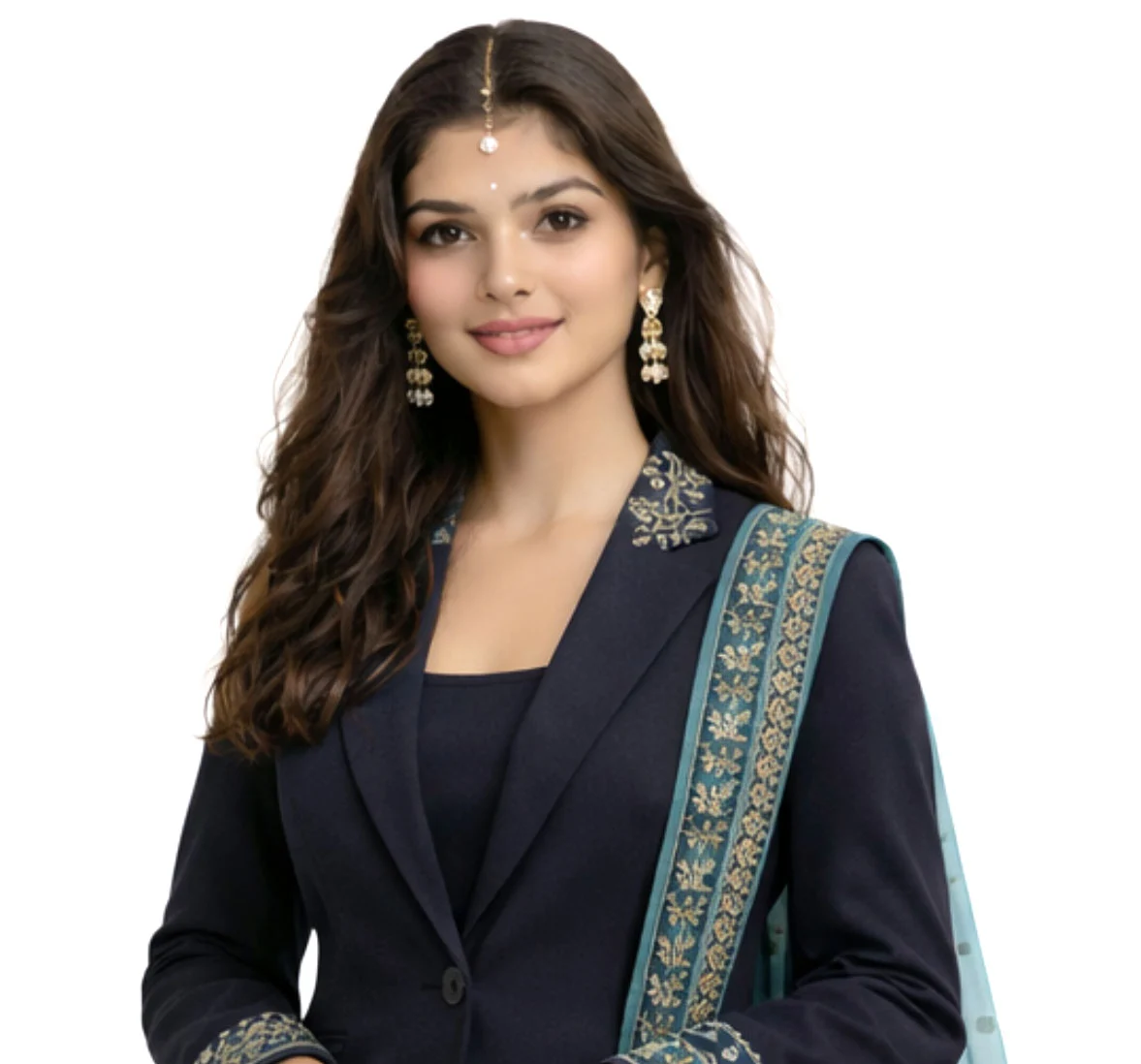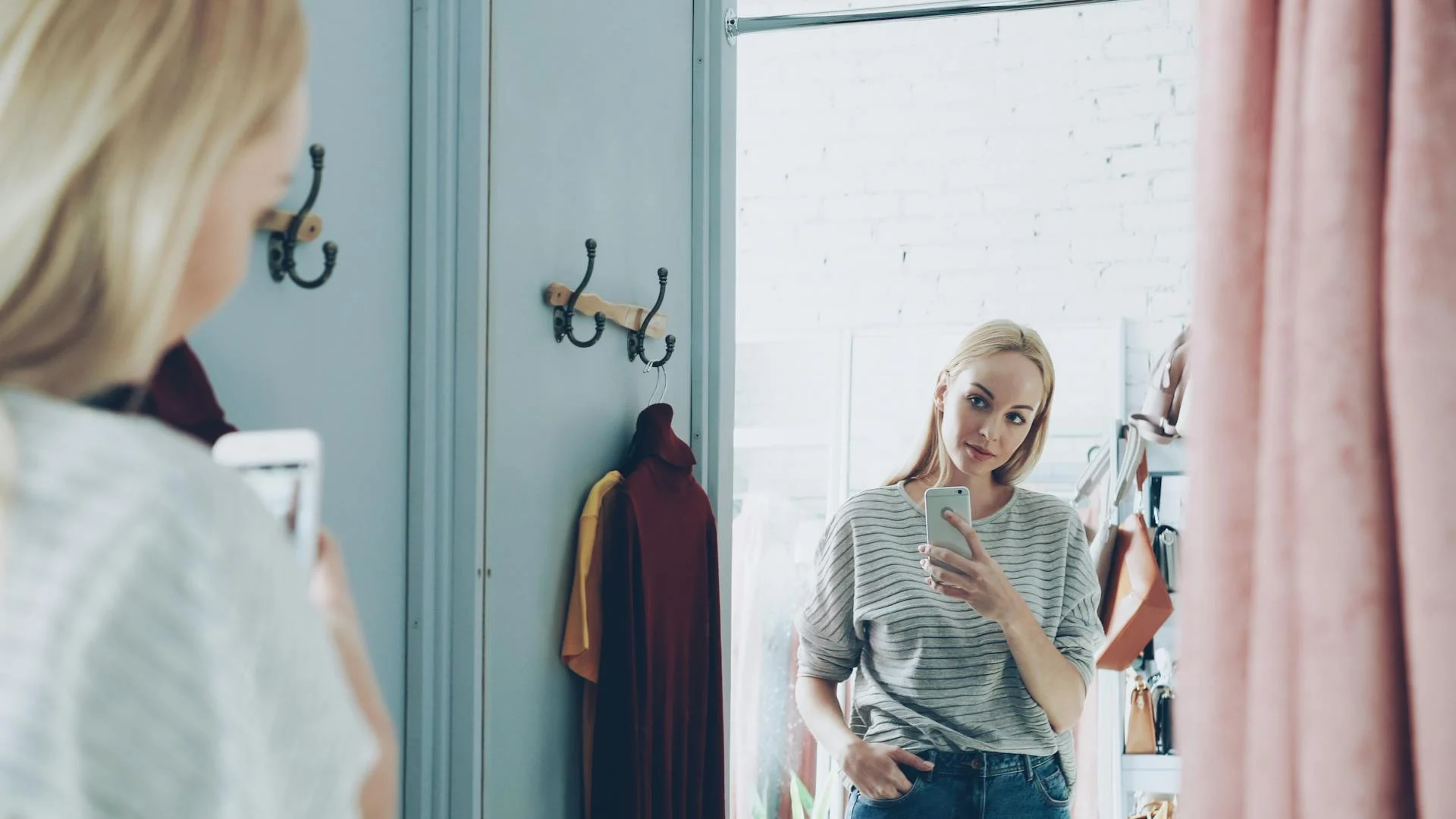
Online shopping has transformed retail, but one persistent frustration remains: you can never be sure how a piece of clothing will actually look on your body until it arrives at your door. Size charts are inconsistent, model photos are misleading, and the result is a cycle of ordering, disappointing, and returning. For millions of shoppers, this friction is enough to abandon a purchase entirely.
That is where AI outfit try-on technology steps in. By using artificial intelligence to simulate how garments fit and drape on a person’s actual body, these tools are closing the gap between browsing and buying. What once required a physical fitting room can now happen in seconds, from any device, at any time. The technology is no longer a novelty — it is becoming a practical part of how people discover, evaluate, and purchase clothing online. This article explores how AI-powered virtual try-on works, why it matters, and how to use it effectively to make smarter fashion decisions.
What Is AI Outfit Try-On and How Does It Work
AI outfit try-on is a technology that uses machine learning and computer vision to overlay clothing items onto a person’s image in a realistic and accurate way. Unlike simple photo filters or static overlays, modern AI try-on systems analyze body shape, posture, and proportions to simulate how fabric would actually fall, stretch, and fit on a specific figure.
The process typically works in a few stages. First, the system takes an input image — either a photo you upload or a generated avatar — and maps key body landmarks such as shoulders, waist, hips, and limbs. Then it processes the target garment, analyzing its texture, cut, and structure. Finally, the AI renders a composite image that shows the garment on the person with realistic lighting, shadow, and fabric behavior.
More advanced systems go further by accounting for different body types, skin tones, and even movement. Some platforms allow users to see how an outfit looks from multiple angles or in different lighting conditions. The underlying models are trained on vast datasets of clothing and human body images, which allows them to generalize across a wide range of styles and body shapes with increasing accuracy.
This is not just a visual trick. The goal is to give shoppers a genuinely useful preview — one that reduces uncertainty and helps them make confident decisions without needing to physically handle the item first.
Why Traditional Online Shopping Falls Short
The appeal of online shopping is obvious — convenience, variety, and competitive pricing. But the experience of buying clothes online has always carried a fundamental limitation: you cannot feel or try the item before committing to a purchase. This creates a reliance on indirect signals like size guides, customer reviews, and model photos, none of which reliably translate to how something will look on your specific body.
Size inconsistency is one of the biggest pain points. A medium from one brand fits completely differently from a medium at another, and even within the same brand, sizing can vary by collection or season. Shoppers often order multiple sizes of the same item just to find one that works, which drives up return rates and creates logistical headaches for both buyers and retailers.
Model photography adds another layer of distortion. Most product images feature models with specific body proportions that do not represent the full range of shoppers. A dress that looks elegant on a six-foot model may sit entirely differently on someone shorter or with a different build. This disconnect between the product image and the shopper’s reality is a core reason why return rates for online clothing purchases remain significantly higher than for in-store purchases.
AI virtual try-on addresses these problems directly by making the preview personal. Instead of imagining how something might look, shoppers can see it — on themselves, or on a body type that closely matches their own.
Key Benefits of Using AI Virtual Try-On
The practical advantages of AI-powered outfit try-on extend beyond simple convenience. For shoppers, retailers, and the fashion industry as a whole, the technology offers meaningful improvements across several dimensions.
Reduce Returns and Save Money
Returns are expensive — for shoppers who pay return shipping and for retailers who absorb processing costs. When a shopper can see how a garment fits before buying, they are far less likely to order something that does not work. Studies in the e-commerce space consistently show that virtual try-on tools reduce return rates, sometimes by a significant margin. For frequent online shoppers, this translates directly into saved time and money. For retailers, lower return rates mean better margins and less environmental waste from reverse logistics.
Explore More Styles Faster
One underappreciated benefit of AI outfit try-on is how much it accelerates the discovery process. In a physical store, trying on ten outfits takes time, effort, and patience. With a virtual try-on tool, you can cycle through dozens of looks in minutes. This makes it easier to experiment with styles you might not normally consider, compare options side by side, and build a clearer picture of what actually works for your wardrobe. It lowers the barrier to trying something new, which often leads to more satisfying purchases.
How to Get the Most Out of AI Outfit Try-On
Like any tool, AI outfit try-on works best when used thoughtfully. A few practical habits can significantly improve the quality of your results and make the experience more useful.
Start with a clear, well-lit photo. The accuracy of the AI’s output depends heavily on the quality of the input image. A photo taken in good natural light, against a plain background, and showing your full body will give the system the clearest data to work with. Avoid busy backgrounds, heavy shadows, or images where your posture is obscured by furniture or other objects.
Use the tool to compare, not just confirm. Rather than only trying on items you are already leaning toward, use the virtual fitting room to test alternatives. If you are considering a structured blazer, try a relaxed one too. If you like a midi skirt, see how a maxi version compares. The speed of AI try-on makes this kind of exploratory comparison practical in a way that physical shopping rarely is.
Pay attention to fit cues, not just aesthetics. A good AI try-on tool will show you not just whether a garment looks attractive, but whether it appears to fit well — whether the shoulders sit correctly, whether the waist falls in the right place, whether the hem hits at a flattering point. Train yourself to look for these structural details rather than just the overall impression.
Platforms like Kling AI have made this kind of detailed, realistic virtual try-on accessible to everyday users, offering tools that go beyond basic overlays to deliver genuinely useful fitting previews.
What to Look for in an AI Try-On Tool
Not all AI outfit try-on tools are created equal. As the technology has grown more popular, the market has filled with options ranging from highly capable to barely functional. Knowing what separates a useful tool from a frustrating one can save you time and set realistic expectations.
Realism is the most important factor. The best tools produce results that look natural — where the clothing appears to interact with the body in a believable way, with appropriate shadows, fabric drape, and fit. Tools that produce flat, obviously composited results are less useful for making actual purchase decisions.
Body diversity matters too. A tool that only works well on a narrow range of body types has limited practical value. Look for platforms that have been trained on diverse datasets and that handle different heights, weights, and proportions with equal accuracy.
Ease of use is also worth considering. The best virtual try-on experiences are fast and intuitive — you should be able to upload a photo and see a result within seconds, without needing to navigate a complicated interface or provide extensive manual input. The less friction in the process, the more likely you are to actually use the tool as part of your regular shopping routine.
Finally, consider the range of supported garments. Some tools work well with tops and dresses but struggle with pants, outerwear, or accessories. A more versatile tool that handles a wider range of clothing categories will be more useful across your full wardrobe.
The Future of Fashion Starts in Your Browser
AI outfit try-on is not a gimmick or a distant promise — it is a practical technology that is already changing how people shop for clothes. By making the fitting process personal, fast, and accessible from anywhere, it addresses one of the most persistent frustrations in online retail. Shoppers get more confidence in their purchases, retailers see fewer returns, and the overall experience of discovering and buying clothing becomes more satisfying.
As the technology continues to improve, the gap between virtual and physical try-on will narrow further. The tools available today are already good enough to make a real difference in how you approach online shopping. Whether you are trying to reduce returns, explore new styles, or simply make better decisions with your clothing budget, AI-powered virtual try-on is worth incorporating into your routine. The fitting room has moved online — and it is getting better every day.