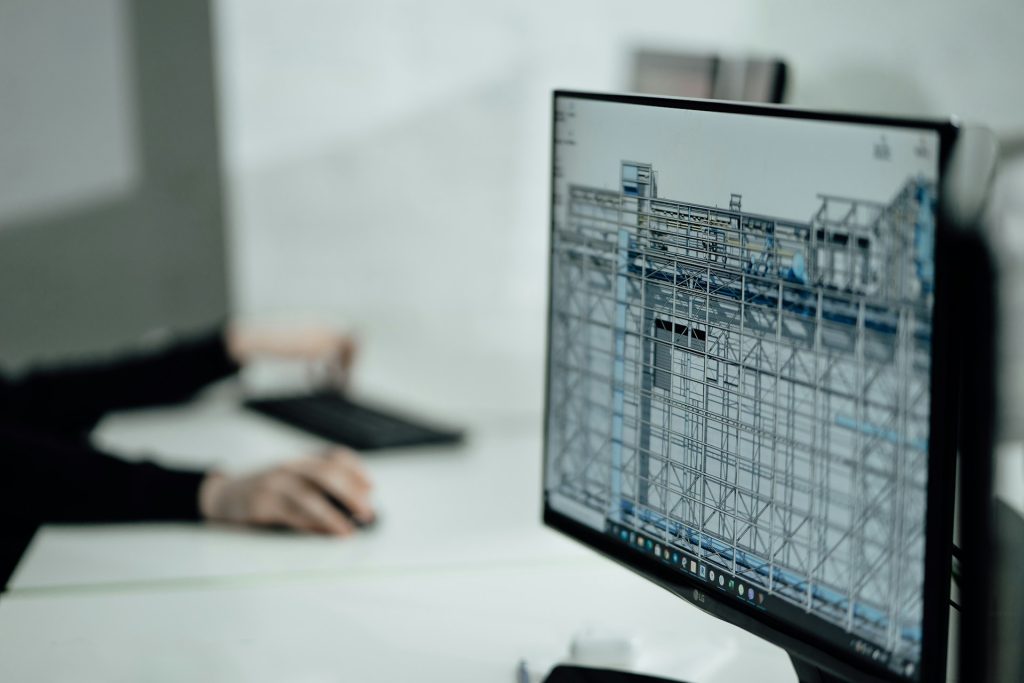
Industrial safety and maintenance have always been critical priorities for sectors such as manufacturing, energy, infrastructure, and transportation. As industries grow more complex and assets age, companies are turning to advanced inspection technologies to identify problems early and prevent costly failures. Modern solutions like Non-Destructive Testing (NDT) Inspection Equipment allow engineers to evaluate the condition of materials, structures, and components without damaging them, giving organizations access to specialized tools designed for accurate, reliable inspection. These innovations are reshaping how businesses manage risk, improve safety standards, and maintain the reliability of critical assets.
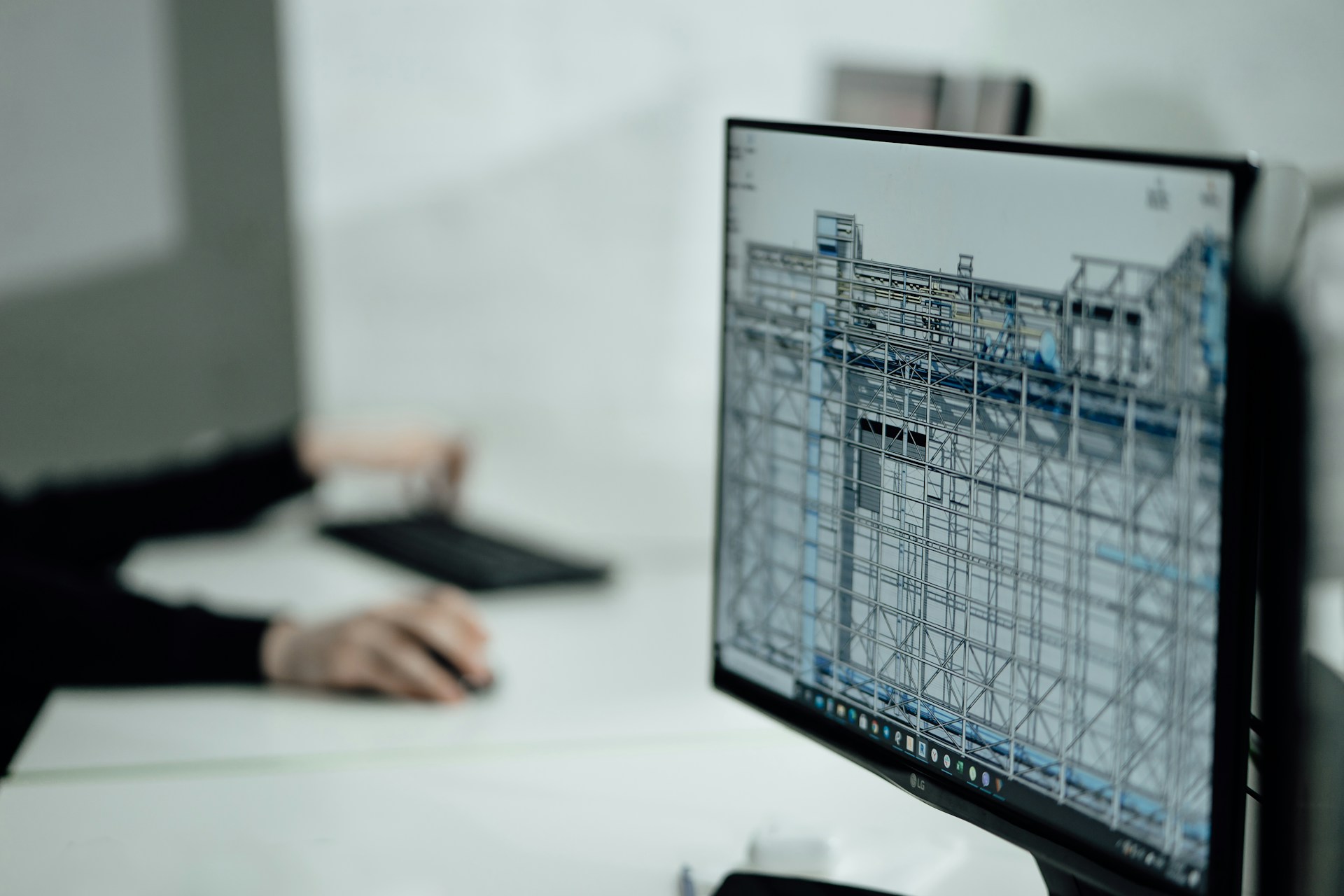
The Evolution of Industrial Inspection Technology
Industrial inspection methods have changed dramatically over the past few decades. Traditional approaches often relied on manual checks or destructive testing methods that required taking equipment out of service to examine internal defects.
Modern inspection technologies provide a more efficient and less invasive alternative. By using tools such as ultrasonic testing, radiography, and electromagnetic inspection, technicians can detect structural weaknesses, corrosion, or cracks while the equipment remains operational.
These advancements significantly improve maintenance planning and operational efficiency. Instead of relying on fixed inspection schedules, companies can monitor equipment condition more accurately and address potential problems before they escalate.
As a result, businesses across multiple sectors are shifting toward predictive maintenance strategies. This shift reduces downtime, minimizes unexpected breakdowns, and ensures that assets remain safe and reliable for longer periods.
Enhancing Safety Across Critical Industries
Advanced inspection technologies play an important role in protecting workers, facilities, and surrounding communities. Many industries operate complex systems under extreme conditions, making regular safety assessments essential.
Inspection technologies allow engineers to identify hidden flaws that could otherwise lead to catastrophic failures. Detecting early signs of fatigue or corrosion helps prevent structural collapse, equipment malfunction, or hazardous leaks.
For example, pipelines, bridges, and industrial machinery require regular inspection to maintain safe operation. Modern inspection tools allow professionals to evaluate these systems without interrupting production or compromising the structure itself.
The ability to perform accurate inspections without damaging equipment also helps maintain compliance with industry safety regulations. Organizations can demonstrate that their assets meet strict safety standards while continuing operations efficiently.
Supporting Predictive Maintenance Strategies
Predictive maintenance has become one of the most important developments in modern industrial management. Instead of reacting to equipment failure, companies now aim to anticipate problems using data and advanced inspection technologies.
Inspection technologies provide detailed insights into the internal condition of machinery and structural components. By collecting accurate data during inspections, engineers can identify trends that signal the development of faults.
This information allows maintenance teams to schedule repairs only when necessary. The result is a more efficient maintenance process that reduces unnecessary servicing and prevents unexpected equipment failures.
Predictive maintenance also supports better financial planning. When organizations can forecast potential maintenance needs, they can allocate resources more effectively and avoid sudden repair costs.
The Future of Inspection Technology in Industry
The next generation of inspection technologies will likely incorporate even more automation and digital capabilities. Innovations such as robotics, drones, and advanced sensors are already transforming how inspections are conducted in difficult or hazardous environments.
These technologies allow inspection teams to access areas that would otherwise be dangerous or inaccessible. Drones, for example, can inspect tall structures, while robotic systems can analyze confined spaces within industrial equipment.
In addition, the integration of artificial intelligence and data analytics will further enhance inspection accuracy. Advanced software can analyze inspection data in real time, helping engineers identify patterns and potential risks more quickly.
As digital transformation continues across industrial sectors, inspection technology will play a central role in maintaining safety and reliability. Organizations that adopt these tools early will gain a competitive advantage through improved asset management and reduced operational risk.
Industrial safety and maintenance are undergoing a significant transformation as advanced inspection technologies become more widely adopted. By enabling engineers to evaluate equipment without causing damage, these technologies improve safety, increase operational efficiency, and support predictive maintenance strategies. As industries continue to modernize their infrastructure and operations, advanced inspection tools will remain essential for preventing failures and ensuring long term reliability across critical systems.

Peyman Khosravani is a seasoned expert in blockchain, digital transformation, and emerging technologies, with a strong focus on innovation in finance, business, and marketing. With a robust background in blockchain and decentralized finance (DeFi), Peyman has successfully guided global organizations in refining digital strategies and optimizing data-driven decision-making. His work emphasizes leveraging technology for societal impact, focusing on fairness, justice, and transparency. A passionate advocate for the transformative power of digital tools, Peyman’s expertise spans across helping startups and established businesses navigate digital landscapes, drive growth, and stay ahead of industry trends. His insights into analytics and communication empower companies to effectively connect with customers and harness data to fuel their success in an ever-evolving digital world.