After a car accident, it is easy to focus only on the moment of impact, but what happened before the collision is often even more important. The decisions a driver made in the seconds or even minutes leading up to the crash can shape the outcome of an injury claim. A negligence attorney can help determine whether those actions demonstrate a failure to drive responsibly and safely. Understanding how negligent behavior is identified can give you a clearer picture of why evidence matters so much after an accident. The stronger the connection between the driver’s actions and your injuries, the stronger your claim may become.
What Negligence Means in a Car Accident Case
Negligence in a car accident case occurs when a driver fails to use reasonable care and that failure leads to someone else’s injuries. It is not always about intentionally causing harm, since even careless or reckless decisions behind the wheel can have serious consequences. Understanding this concept is the first step in seeing how liability is determined after a crash.
Understanding the Duty Every Driver Owes Others on the Road
Every driver has a responsibility to operate their vehicle in a way that helps keep others safe. This includes following traffic laws, staying alert, and making reasonable decisions based on road and weather conditions. When a driver ignores these responsibilities and someone gets hurt as a result, their actions may be considered negligent.
How Small Driving Decisions Can Have Serious Consequences
A quick glance at a phone, driving a little over the speed limit, or failing to check a blind spot may seem minor in the moment. However, these seemingly small choices can quickly lead to serious collisions that leave people with lasting injuries. Even a brief lapse in judgment can become a key factor when determining who is responsible for an accident.
Common Examples of Negligent Driving Before a Crash
Negligent driving can take many forms, and even seemingly ordinary mistakes can increase the risk of a serious accident. Recognizing these behaviors helps explain why they often become the focus of an injury claim.
Distracted Driving
Taking your eyes or attention away from the road, even for a few seconds, can have serious consequences. Whether a driver is texting, adjusting the GPS, eating, or talking with passengers, distractions can delay reaction times and increase the likelihood of a collision.
Speeding
Driving above the posted speed limit leaves less time to react to unexpected traffic conditions or hazards. Higher speeds also increase the force of impact, which can make injuries and property damage much more severe.
Following Too Closely
Tailgating reduces the space needed to stop safely if traffic suddenly slows or comes to a halt. Rear-end collisions often happen because a driver did not leave enough following distance to avoid a crash.
Running Traffic Signals or Stop Signs
Ignoring red lights or stop signs puts everyone at an intersection in danger. These violations can lead to high-impact collisions that often result in significant injuries.
Driving While Fatigued or Impaired
A tired or impaired driver may have slower reaction times, poor judgment, and difficulty staying focused on the road. Fatigue and impairment can affect driving ability in ways that are similar, making both behaviors especially dangerous.
Why What Happened Before the Impact Matters Most
The moments leading up to a collision often provide the clearest explanation of why the accident happened. Investigators, insurance companies, and attorneys look closely at a driver’s actions before the crash to determine whether negligence played a role. Understanding these events helps establish responsibility and supports the foundation of an injury claim.
How Evidence Reveals Negligent Behavior
Evidence plays a major role in showing what happened before a crash and why it occurred. The more reliable information that is available, the easier it can be to demonstrate whether a driver’s actions contributed to the accident.
Police Reports and Witness Statements
Police reports often include important details about the scene, road conditions, and any traffic violations that may have occurred. Witness statements can provide an independent account of what happened, helping confirm how the collision unfolded.
Traffic Camera and Dashcam Footage
Video footage can capture the moments leading up to an accident and show how each driver was behaving. This type of evidence can help clarify disputes when the parties involved have different versions of the events.
Vehicle Damage and Accident Reconstruction
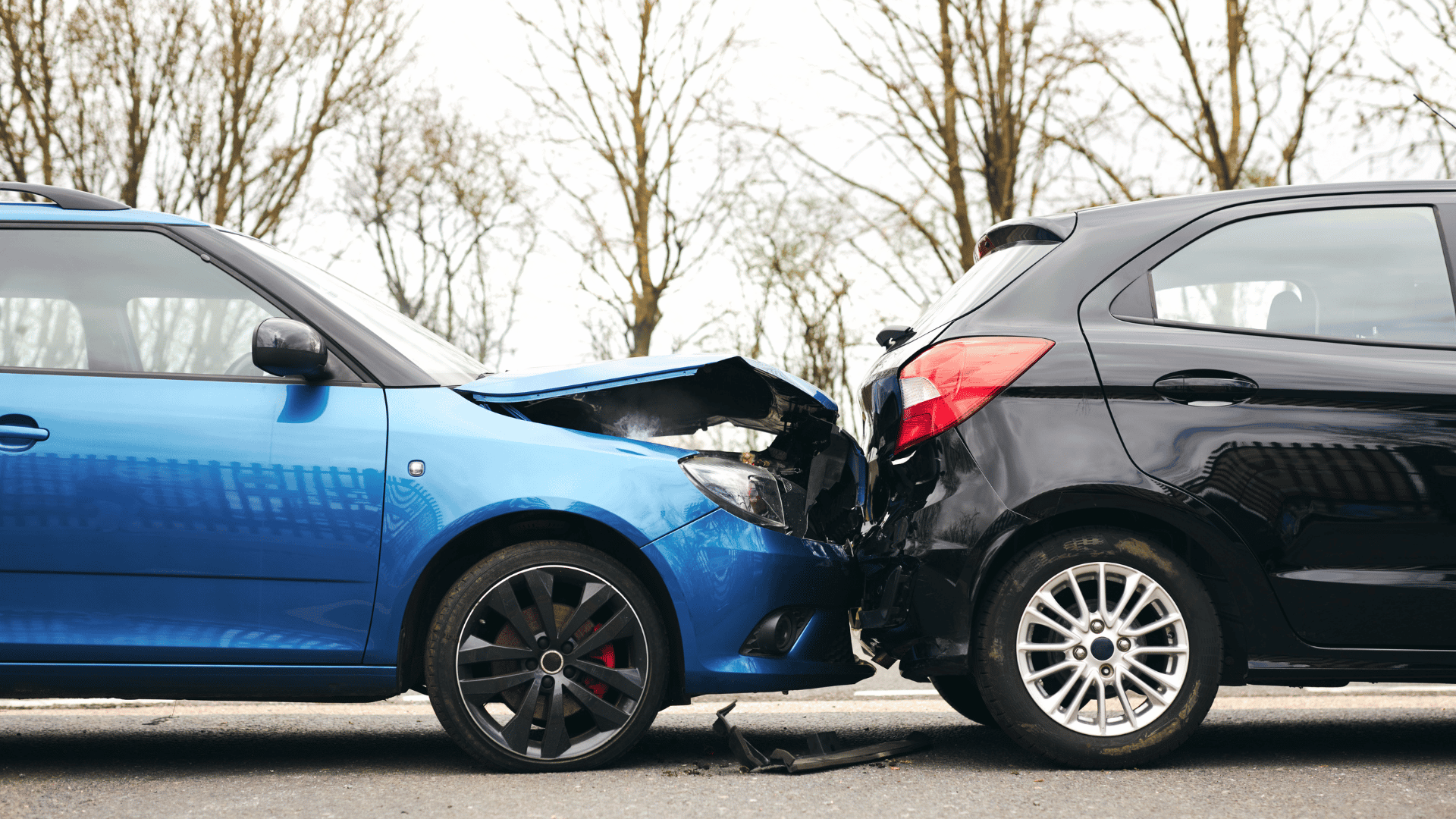
The location and severity of vehicle damage can provide valuable clues about how the collision happened. In more complex cases, accident reconstruction professionals may analyze physical evidence to explain the sequence of events and identify contributing factors.
Cell Phone Records and Other Digital Evidence
Phone records may help to know whether a driver was using a mobile device during the time of accident provided the data can be accessed lawfully and is also relevant. Another type of digital evidence like vehicle data records or the GPS record can help to form a better picture of the events that preceded the collision.
Conclusion
Understanding how a driver’s actions before a crash contribute to an injury claim can help you make informed decisions after an accident. From gathering evidence to establishing liability, every detail plays a role in building a stronger case. If you have questions about your legal options, speaking with a negligence attorney can help you better understand your rights and the next steps available to you.