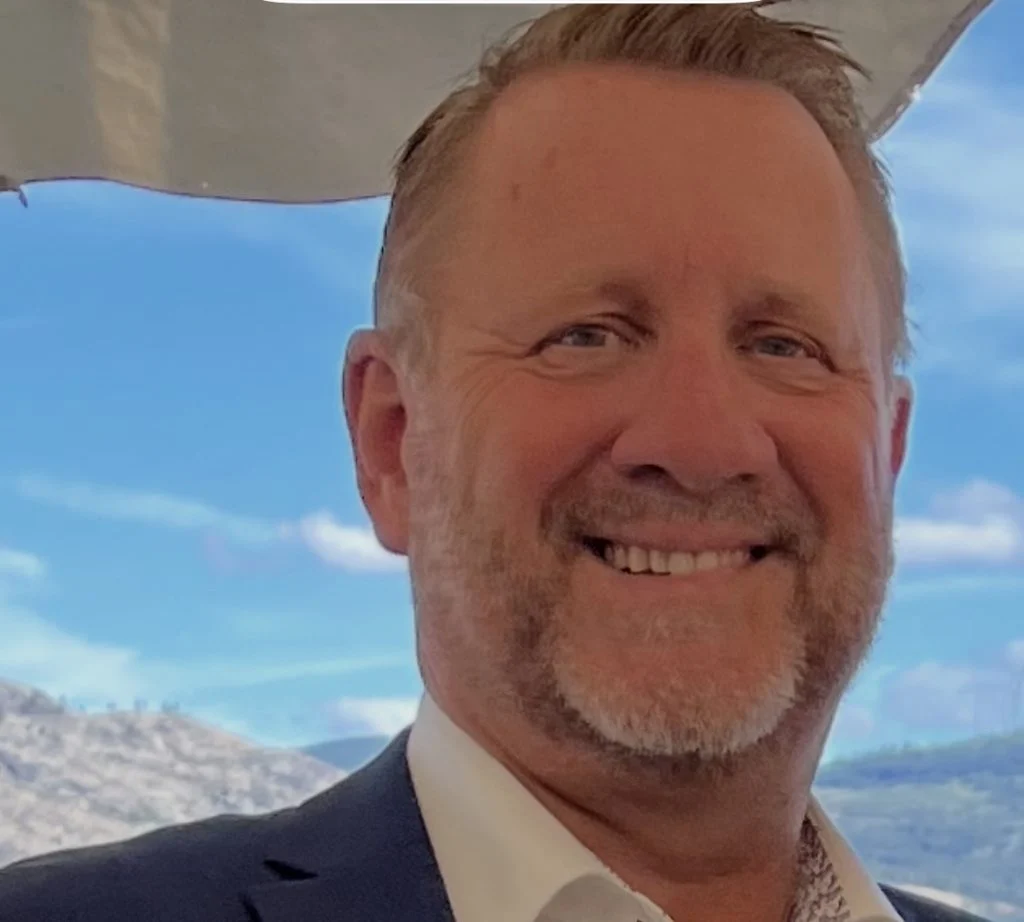
Introduction: A Career Built Step by Step
Frank Elsner did not build his career on one big moment. He built it through steady decisions, real-world experience, and a clear focus on doing the job well.
From frontline policing to executive leadership and into corporate security, his path shows how practical ideas, applied consistently, can shape long-term success.
“I never looked at it as one big plan,” Elsner says. “I focused on doing each role properly and learning from it.”
Early Life and Discipline: Where It Started
How Early Habits Shaped Leadership
Elsner was born in Germany and moved to Canada as a child. He grew up in British Columbia, where sport and community played a large role in his early years.
He competed in wrestling and ranked second in his weight class in the province. He also served as student council president.
“Sport teaches you discipline fast,” he says. “You learn that effort shows up in results.”
He also became a certified expert diver by age 17. That skill later became part of his professional work.
These early experiences built habits that carried into his career. Focus. Consistency. Responsibility.
Policing Career: Learning the System from the Ground Up
From Frontline Roles to Complex Operations
Elsner began his career in policing in the early 1980s. He worked with the RCMP and Ontario Provincial Police before joining Thunder Bay Police.
His time there covered a wide range of roles. Undercover work. Investigations. Intelligence. Tactical operations. Dive operations.
“I wanted to understand every part of the job,” he says. “You make better decisions when you’ve seen how things work at every level.”
This approach gave him a full view of how systems operate under pressure.
Leadership Roles: Moving from Action to Strategy
Becoming Deputy Chief and Chief of Police
By 2000, Elsner had advanced to Inspector. He then moved into executive leadership, first as Deputy Chief in Owen Sound and later in Greater Sudbury.
In 2009, he became Chief of Police in Greater Sudbury.
The shift changed his focus.
“You move from handling incidents to managing systems,” he says. “It becomes about people, structure, and long-term outcomes.”
He worked on aligning operations with community expectations. He also contributed at a provincial level, including roles with the Ontario Association of Chiefs of Police and the Criminal Intelligence Service of Ontario.
“Coordination matters,” he says. “No organisation works in isolation.”
Education and Growth: Learning While Working
Why Continuous Learning Matters in Leadership
Elsner returned to school as a mature student. He completed a Political Science degree at Lakehead University while working full time.
Years later, he earned a Master of Public Administration from Western University.
“I did not stop learning because I had a role,” he says. “You need both experience and education to stay effective.”
This balance helped him move from operational roles into strategic leadership.
Transition to the Private Sector: Applying Big Ideas in Business
From Public Safety to Corporate Security
After his policing career, Elsner moved into consulting. He founded Umbra Strategic Solutions and later stepped into a corporate leadership role.
He now serves as Chief of Safety and Security for Natural Factors Group of Companies.
The environment changed, but the core ideas stayed the same.
“In policing, you focus on risk and response,” he says. “In business, you connect that to operations and performance.”
One key shift was moving from reacting to incidents to preventing them.
“In one case, a team kept responding to the same issue,” he recalls. “We stepped back, tracked the pattern, and fixed the process. The incidents stopped.”
That approach reflects a larger idea. Solve the root cause, not just the outcome.
Building Systems That Work: Practical Leadership in Action
Why Clarity and Consistency Matter
Elsner’s work focuses on making systems usable.
Clear roles. Simple processes. Regular training.
“You can have strong systems,” he says. “If people don’t understand them, they fail.”
He measures success through reduced incidents, faster response, and better reporting.
“Fewer incidents and quicker decisions show that the system is working,” he explains.
This focus on clarity has shaped his leadership style across both public and private sectors.
Community Work and Broader Impact
Leadership Beyond the Job
Alongside his career, Elsner has been active in community organisations. He has served with food banks, health organisations, and education boards.
These roles kept him connected to real-world issues.
“Leadership does not stop at work,” he says. “It carries into the community.”
He has also shared his experience as a speaker, including a TEDx talk focused on taking action and making a difference.
Key Takeaways: What Leaders Can Learn from His Career
Simple Ideas That Drive Results
Elsner’s career highlights a few consistent ideas:
- Learn every part of the system before leading it
- Focus on prevention, not just response
- Keep processes clear and repeatable
- Act early instead of waiting for perfect information
“These are not complex ideas,” he says. “They work because they are applied consistently.”
A Career Built on Execution, Not Theory
Frank Elsner’s path shows how practical thinking can lead to long-term impact.
He moved from frontline roles to executive leadership. He applied those lessons in a new environment. He focused on what works.
“It comes down to doing the work,” he says. “You build experience over time, and you use it to make better decisions.”
His career is not defined by one moment. It is defined by steady progress and clear thinking.
That is what turns experience into results.