How Translational Research Drives Real Cancer Progress
Most scientific ideas never reach patients. Dr Flavia Pichiorri has built her career around changing that.
Based in Los Angeles, she works in translational cancer research, focusing on multiple myeloma and acute leukaemia. Her work connects laboratory findings with early clinical trials. The goal is practical: move ideas into treatments that can improve outcomes.
“Scientific discoveries are only meaningful if they eventually reach patients,” she says. “The work is about building that bridge.”
Her approach is structured, focused, and grounded in real clinical problems.
Early Life in Rome: Discipline Before Science
Pichiorri was born in Rome, Italy. She grew up in a family shaped by engineering and statistics. Her mother worked in organisational science. Her father was a mechanical engineer involved in large industrial projects.
This environment encouraged analytical thinking early on. But her daily life was not limited to academics.
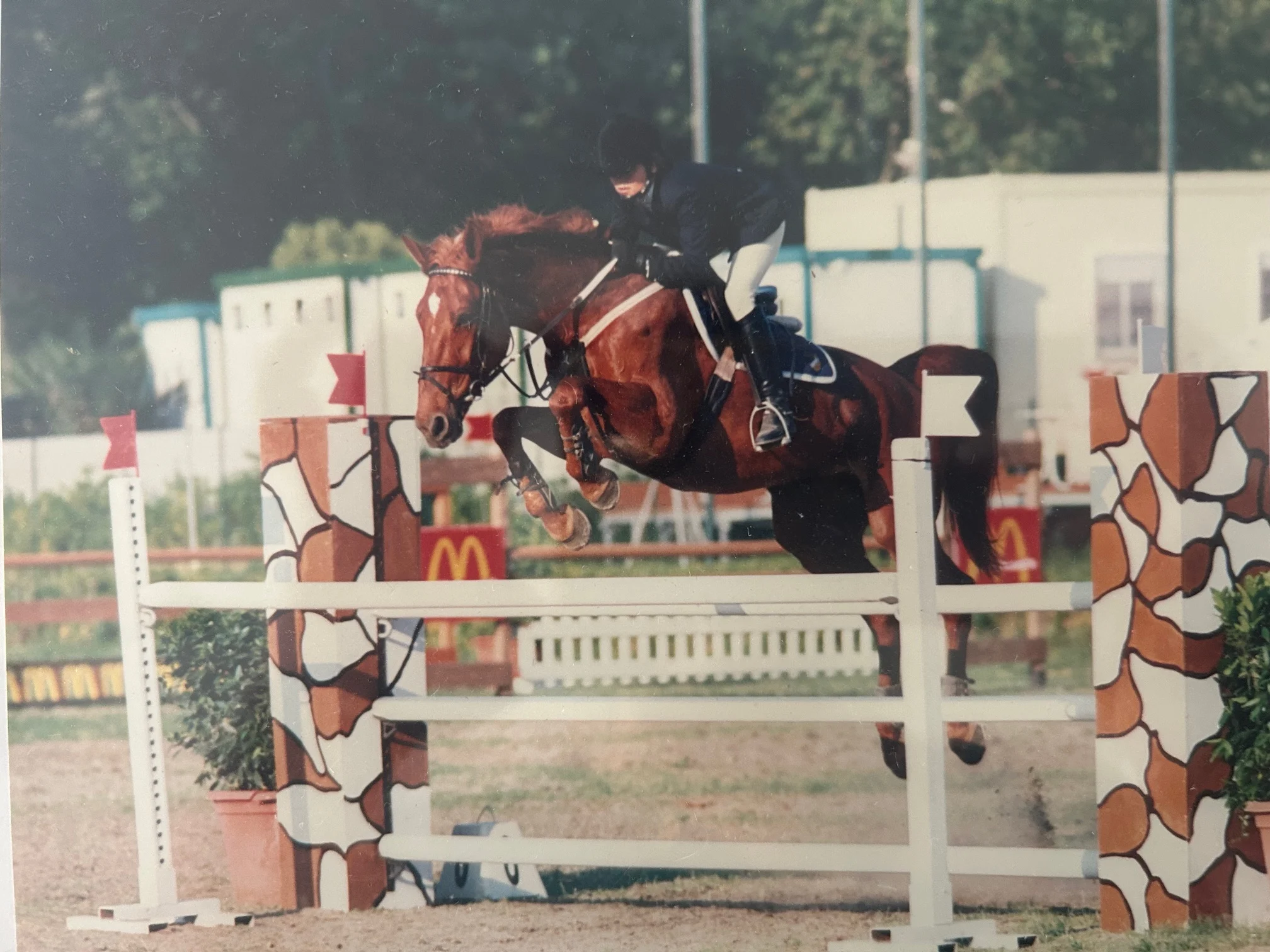
She spent years living near the Appia Antica, where she rode horses before school. She trained in show jumping for nearly two decades.
“That experience taught me discipline and resilience,” she says. “In science, those qualities matter every day.”
Education and the Shift to Cancer Research
Her academic path began with classical studies. She studied Latin and Greek, which sharpened her attention to structure and detail.
She later moved into science at the University of Rome Tor Vergata, earning a Master’s degree in Biochemistry and Enzymology in 1999 with top honours.
Her early research focused on enzyme behaviour and protein interactions. She worked with techniques like HPLC, FPLC, and enzymatic assays.
Soon after, she joined the Italian National Research Council, where she began studying growth factors in multiple myeloma.
“At that time, patients had very limited options,” she says. “There was a clear need for deeper understanding.”
Moving to the U.S.: Expanding Research Scope
Pichiorri later moved to the United States to continue her work. She joined research teams at Thomas Jefferson University and The Ohio State University.
Her research focused on tumour biology, including fragile site genes and tumour suppressor pathways.
During this period, she helped develop a diagnostic assay based on Clusterin, a circulating biomarker for colon cancer. The work led to a patented screening approach.
It was an early example of turning biological insight into a usable clinical tool.
A Key Breakthrough in Multiple Myeloma
Her postdoctoral work led to a widely cited study on multiple myeloma. The research showed that the disease is driven not only by genetic mutations but also by epigenetic changes linked to oncogenic pathways like c-Myc.
“It expanded how we understood the disease,” she says. “It showed there are multiple layers of regulation.”
The study became one of the most cited papers in its field at the time. It also shaped her long-term focus on translational research.
Building a Career in Translational Science
In 2011, she began her independent research career. Her work focused on moving discoveries into clinical testing.
She contributed to the development of AR-42 (REC-2282), an HDAC inhibitor studied in blood cancers. She also worked on oncolytic viral therapies, including Pelareorep.
Her approach remained consistent: start with a clinical problem, then work backwards into biology.
“You need to understand what is happening in patients first,” she says. “That defines the direction of the research.”
Leadership in Targeted Cancer Therapies
In 2016, Pichiorri joined City of Hope, where she expanded her work in targeted therapies.
Her research includes:
- CD38-targeted antibody therapies
- Radiolabelled treatments for cancer cells
- Identification of CD84 as a therapeutic target in AML
- Development of T-cell engager therapies
These projects have moved into early clinical trials.
“Success is not about publishing quickly,” she says. “It is about whether the work translates into patient benefit.”
How She Approaches Scientific Work
Pichiorri runs her work with a clear operating model. She limits distractions and focuses on high-impact tasks.
“I avoid unnecessary meetings,” she says. “Deep work is where progress happens.”
She also prioritises collaboration with clinicians.
“The most important insights often come from the clinic,” she says. “That is where you see what actually works.”
Her definition of success is long-term.
“In science, success is reaching conclusions that stand the test of time,” she explains.
What Sets Her Apart in Cancer Research
Her approach differs in one key way. She prioritises clinical relevance early.
Many research projects begin in the lab without a clear path to patients. She reverses that process.
“I start with patient-driven questions,” she says. “That changes how you design everything.”
This model reduces wasted effort and improves the chances of real-world impact.
Looking Ahead: The Future of Myeloma Research
Pichiorri continues to focus on therapies targeting CD38, CD84, and immune-based strategies. Her work integrates lab research, preclinical models, and early-phase trials.
The long-term goal is clear: reduce relapse and improve survival.
“Science moves step by step,” she says. “The key is asking the right questions and staying consistent.”
Her career reflects a simple principle. Ideas matter, but only if they are carried through to the end.
And in her field, the end point is always the same: better outcomes for patients.