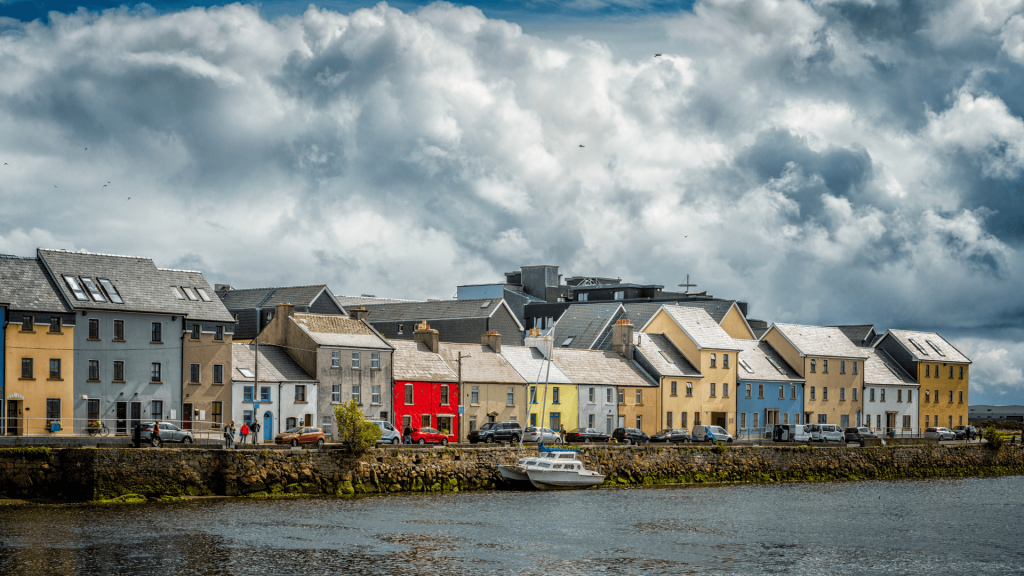
Buying your first home in Ireland requires careful financial planning and preparation. From understanding deposit requirements to navigating mortgage rules, this comprehensive guide provides everything you need to know to successfully purchase your first property in Ireland’s competitive market.

Introduction: The Irish First-Time Buyer Journey
Purchasing your first home represents one of life’s most significant financial decisions. Understanding the financial landscape helps you navigate successfully from initial savings through to mortgage approval.
Property Market Reality in Ireland
Ireland’s property market remains highly competitive. Median first-time buyer prices reached approximately €372,000 in the second half of 2024, with Dublin significantly above the national average. Limited supply and strong demand continue to drive prices upward, making structured financial planning essential.
Average House Prices by Region
Dublin homes generally start from €440,000 and upward, depending on area and property type. Cork City averages €330,000–€360,000, while Galway City typically ranges €370,000–€400,000. Regional towns remain more affordable, though rising demand means many properties now fall between €250,000–€320,000.
First-Time Buyer Challenges
Rising rents make saving difficult, with many buyers taking many years to accumulate deposits. Strategic financial planning helps overcome these obstacles.
Calculating What You Can Afford
Understanding lending rules helps establish realistic budget parameters before property searching.
Mortgage Lending Rules in Ireland
The Central Bank regulates mortgage lending through strict measures. First-time buyers can typically borrow up to 4 times gross annual income, though some exemptions allow 4.5 times.
3.5 Times Salary Limit
Whilst first-time buyers access 4 times income, second-time buyers face 3.5 times income restrictions. For a €300,000 mortgage, you need a minimum of €75,000 annual income. Joint applications combine both incomes.
“Fresh Start Rules: How Divorced Couples Can Borrow Like First-Time Buyers”
In Ireland, divorced or separated individuals who have relinquished all interest in their former home can now often access mortgage terms similar to first-time buyers under the “fresh start” rules. Since 2022, regulators and state housing schemes have recognised that once a person is divorced, has no remaining claim on the family home, and does not own another dwelling, they can be treated as a first-time home-buyer even if they previously owned property.
This means qualifying divorced couples — or individuals — can benefit from better borrowing terms, lower required deposits and eligibility for certain schemes designed for first-time buyers. For many, this represents a “second chance” on the housing ladder under fairer financing conditions.
Loan-to-Value Restrictions
First-time buyers can borrow a maximum of 90% of the property value, requiring a 10% deposit. For a €300,000 property, that’s €30,000 deposit plus additional costs.
Stress Testing Requirements
Lenders stress test your ability to repay if interest rates rise 2% above current rates. Monthly repayments typically shouldn’t exceed 35% of net income. Lenders examine all commitments to assess true affordability. There are one or two exceptions to this rule.
Building Your Deposit
Accumulating sufficient deposits requires disciplined saving and strategic planning over several years.
Minimum Deposit Requirements
First-time buyers need a minimum 10% deposit. For a €300,000 house, that’s €30,000 plus €5,000-€10,000 for legal fees, surveys, insurance, and moving costs. Total required: approximately €35,000-€40,000.
Help to Buy Scheme
This government scheme provides up to €30,000 tax rebate (10% of property value, whichever is lower) for new builds under €500,000. You must have paid sufficient income tax over the previous four years to qualify.
Gifted Deposits and Tax Implications
Parents can gift €3,000 annually tax-free-both parents means €6,000 yearly. Additional gifts count toward €335,000 parent-child lifetime threshold before triggering 33% tax. Banks require a gifted deposit letter.
Timeline to Save Deposit
Saving €30,000: at €500 monthly takes 5 years; at €750 monthly takes 3.5 years; at €1,000 monthly takes 2.5 years. Most first-time buyers take 3-5 years to accumulate a deposit plus costs.
Pre-Mortgage Financial Planning
Preparing your finances months before applying significantly improves approval chances.
Credit Rating Importance
Check your credit report 6-12 months before applying. Address errors immediately. Missed payments in the past two years have damaged applications severely. Establish a credit history if lacking.
Bank Statement Scrutiny
Lenders examine 6 months’ bank statements. Gambling transactions, frequent overdrafts, or excessive spending harm applications. Demonstrate consistent savings patterns. Financial planning for business owners in Ireland requires separating business and personal expenses.
Employment Stability Requirements
Lenders prefer a minimum of 12 months’ current employment, ideally 2+ years. Self-employed applicants need 2-3 years’ accounts. Plan career moves accordingly.
Debt-to-Income Ratios
Total monthly debt repayments (including proposed mortgage) shouldn’t exceed 35-40% of net income. Pay down existing debts before applying. A healthy debt ratio would be below 25%.
Hidden Costs of Buying
Beyond deposit and mortgage, numerous costs catch unprepared buyers by surprise.
Legal Fees
Solicitor fees typically range €1,500-€3,000, depending on property value and complexity. Don’t skip legal representation attempting to save costs.
Surveyor Costs
Structural surveys cost €400-€800 depending on property size. Surveys identify issues before purchase. Snag lists for new builds cost €300-€500.
Stamp Duty (Exemption for First-Time Buyers)
First-time buyers enjoy a stamp duty exemption on properties up to €500,000.
Stamp Duty Rates in Ireland (Residential Property)
| Property Value | Stamp Duty Rate |
| Up to €1 million | 1% |
| €1 million to €1.5 million | 2% (on the portion above €1m) |
| Over €1.5 million | 6% (on the portion above €1.5m) |
Moving and Initial Furnishing Costs
Removals cost €500-€1,500. Initial furnishing easily reaches €3,000-€5,000. Budget a minimum of €5,000 for post-purchase expenses.
Mortgage Protection Insurance
Legal requirements mandate specific insurance coverage for mortgage holders.
Legal Requirement for Primary Residence
Mortgage protection insurance is legally required for primary residence mortgages. This decreasing term life insurance ensures mortgage repayment if you die during the mortgage term.
Costs and Coverage
Typical premiums range €20-€50 monthly for a €300,000 mortgage. Shop around-significant price variations exist. Financial planning for business owners in Ireland should include reviewing all protection needs.
Life Insurance Adequacy
Mortgage protection covers the mortgage only. Separate life insurance ensures family income replacement. Consider income protection insurance covering salary if unable to work.
Post-Purchase Financial Planning
Financial responsibility doesn’t end with property purchase-ongoing planning ensures long-term stability.
Emergency Fund Rebuilding
Prioritise rebuilding a 3-6 months’ emergency fund. Start immediately after purchase. Target €10,000-€15,000 minimum.
Home Maintenance Budget
Budget 1-2% of property value annually for maintenance. For a €300,000 home, that’s €3,000-€6,000 yearly. The maintenance fund prevents reliance on expensive credit.
Mortgage Overpayments Strategy
Making overpayments significantly reduces interest paid. Even €100 monthly extra saves thousands over the mortgage lifetime. Check the lender’s overpayment terms.
Common First-Time Buyer Mistakes
Avoiding common errors prevents financial stress and maximises long-term financial health.
Borrowing Maximum Amount
Borrowing a maximum of 4 times salary leaves a minimal margin for rate increases or family expansion. Leave buffer for emergencies and pension contributions. Aim to borrow 2.5-3 times salary if possible.
Ignoring Future Cost Increases
Consider future family plans, potential income changes, and career developments. Property barely affordable now becomes problematic with children or career breaks.
Inadequate Protection Insurance
Comprehensive life insurance, income protection, and home insurance aren’t optional-they’re essential financial protection preventing catastrophic consequences.
FAQs
How much deposit do first-time buyers need in Ireland?
First-time buyers need a minimum 10% deposit for properties up to €500,000. For a €300,000 house, that’s a €30,000 deposit plus €5,000-€10,000 for legal fees, surveys, mortgage protection insurance, and moving costs. Total savings required: approximately €35,000-€40,000. The Help to Buy scheme can provide up to €30,000 tax rebate for new builds.
Can parents gift deposit money to first-time buyers?
Yes, parents can gift deposit money. Each parent can give €3,000 annually tax-free under the small gift exemption-both parents can give €6,000 yearly. Additional gifts count toward €335,000 parent-child lifetime CAT threshold before triggering the 33% gift tax. Most parental deposit gifts fall well within this threshold. Banks require a gifted deposit letter from parents.
How long does it take to save a house deposit in Ireland?
Saving €30,000 deposit: at €500 monthly takes 5 years; at €750 monthly takes 3.5 years; at €1,000 monthly takes 2.5 years. This doesn’t include interest earned (regular saver accounts offer 3-4%). Many first-time buyers take 3-5 years to accumulate a deposit plus costs whilst maintaining an emergency fund.
What credit rating do you need for a mortgage in Ireland?
Whilst there’s no official minimum credit score, lenders prefer good to excellent credit ratings. Factors checked: no missed payments in the last 2 years, debts less than 30% of limits, established credit history (2+ years), proof of financial responsibility. Check your credit report 6 months before applying and address any issues. Order your credit report via Central Bank Credit Registrar.
Should first-time buyers borrow the maximum amount?
No. Borrowing maximum (3.5 times salary) leaves little margin for rate increases, job changes, or family expansion. Consider: if monthly repayments exceed 30% of net income, you’re stretching finances. Leave buffer for emergencies, pension contributions, and lifestyle. Aim to borrow 2.5-3 times salary if possible for financial security.
Take Control of Your Home Purchase Journey
Ready to start your first-time buyer journey with confidence? Our financial planning team provides comprehensive guidance:
- Get your free first-time buyer financial assessment
- Calculate your buying power – free mortgage affordability calculator
- Book a consultation – create your house purchase roadmap
- Request deposit saving strategy based on your timeline
Whether you’re starting to save or ready to purchase, professional advice ensures informed decisions. Our expertise extends to financial planning for business owners in Ireland and employed individuals. Contact us today to begin your journey to homeownership.
Disclaimer: All financial transactions should be reviewed with independent legal, financial, and taxation professionals before being executed.

Pallavi Singal is the Vice President of Content at ztudium, where she leads innovative content strategies and oversees the development of high-impact editorial initiatives. With a strong background in digital media and a passion for storytelling, Pallavi plays a pivotal role in scaling the content operations for ztudium’s platforms, including Businessabc, Citiesabc, and IntelligentHQ, Wisdomia.ai, MStores, and many others. Her expertise spans content creation, SEO, and digital marketing, driving engagement and growth across multiple channels. Pallavi’s work is characterised by a keen insight into emerging trends in business, technologies like AI, blockchain, metaverse and others, and society, making her a trusted voice in the industry.