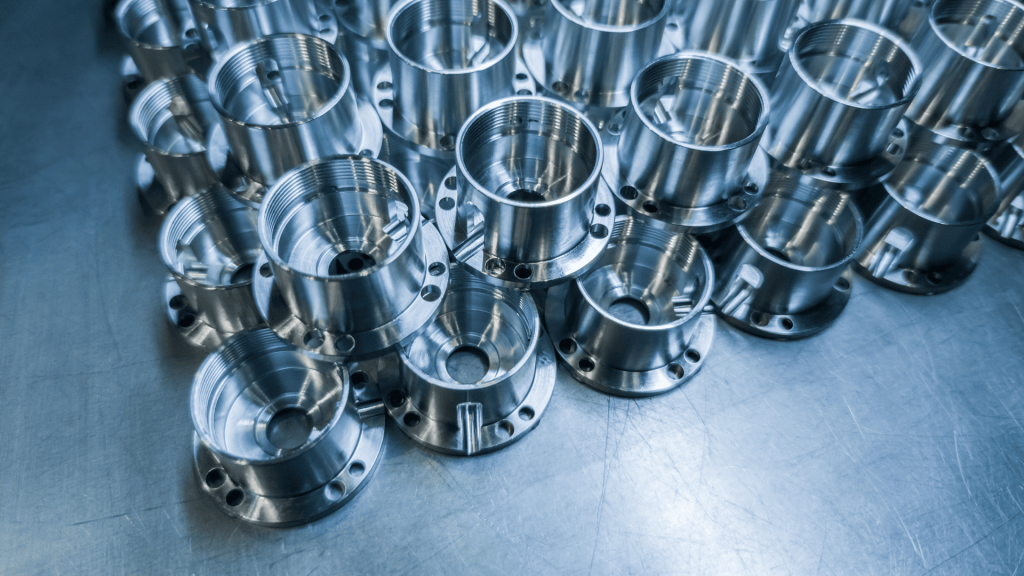
Manufacturing has always evolved with technology, and one area seeing major change is the production of aluminum cylinders used in aerospace. USA aluminum cylinder manufacturers are finding new ways to improve how these components are built. One of the most promising approaches is hybrid manufacturing. This method blends traditional extrusion with modern laser welding to create cylinders that can survive extreme conditions in flight.
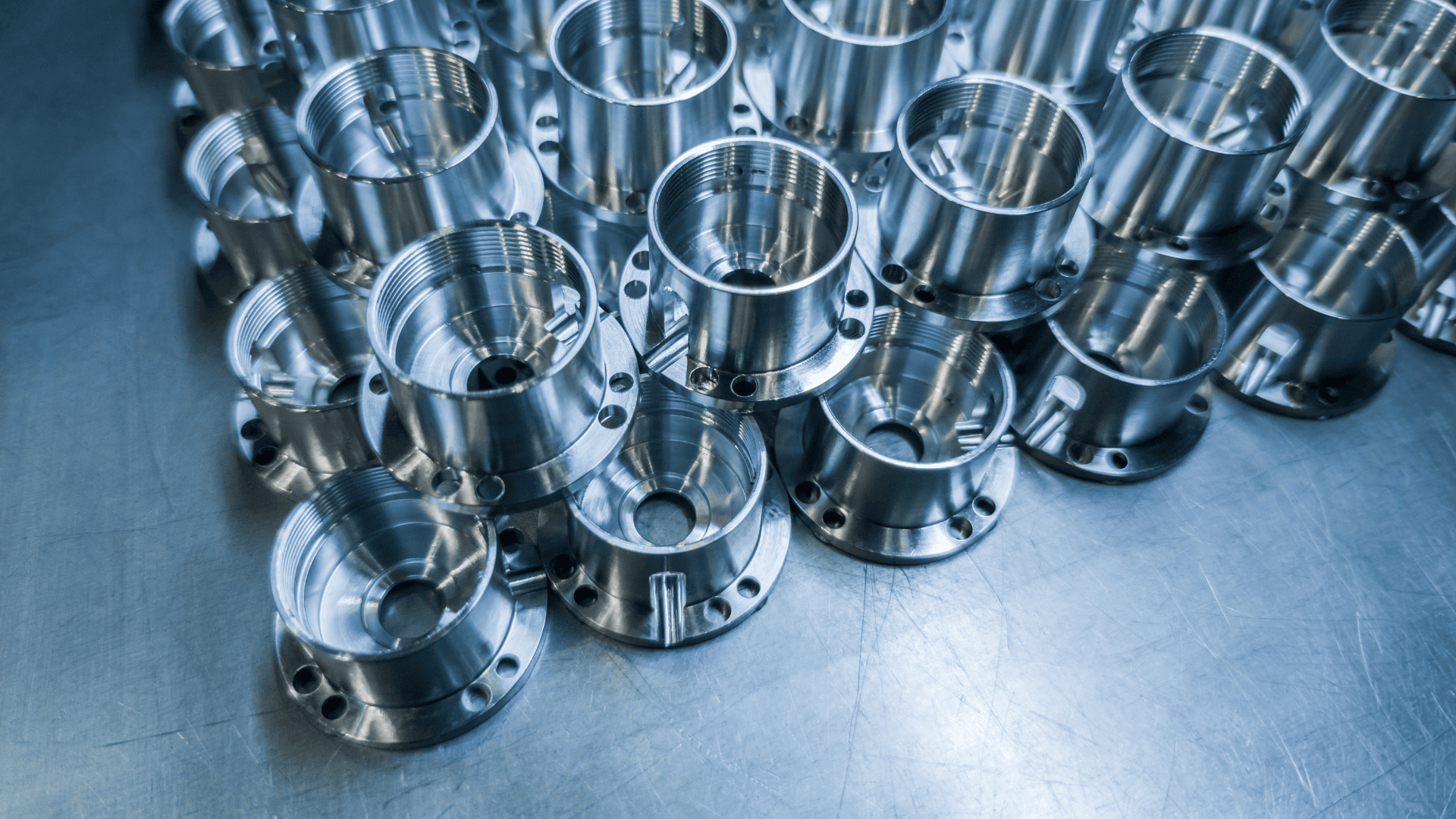
Why Aluminum Cylinders Matter in Aerospace
Aluminum is a core material in aerospace. It is strong, light, and resistant to corrosion. Cylinders made from aluminum have roles in fuel systems, hydraulics, and other pressure applications. These parts must be reliable because failure can put an entire mission at risk. A cylinder that cracks or leaks under high heat or pressure could ground an aircraft or endanger a crew. That is why manufacturers put so much effort into improving the way these cylinders are made.
Traditional Extrusion as a Foundation
For decades, extrusion has been the standard process for shaping aluminum cylinders. In this method, heated aluminum is pushed through a die to form long tubes with precise dimensions. The process works well because it produces uniform strength along the length of the cylinder. Extrusion is also efficient and scalable, making it ideal for aerospace where consistency matters.
But extrusion alone has limits. It can be difficult to achieve complex features or joint designs that improve performance under extreme conditions. Traditional extrusion can leave weak spots in areas that need extra reinforcement. This is where hybrid methods come into play.
The Role of Laser Welding
Laser welding adds another layer of strength and precision. By using concentrated light beams, manufacturers can join aluminum parts with minimal distortion. This allows them to reinforce critical areas or connect sections that extrusion alone cannot handle. Laser welding produces cleaner joints, less material waste, and tighter control over heat exposure.
In aerospace, these qualities are essential. Cylinders often face cycles of extreme heat and cold. The welds need to remain intact even when exposed to rapid temperature changes. Laser welding helps achieve that level of resilience.
Blending the Two Methods
Hybrid manufacturing combines extrusion and laser welding into a single approach. The cylinder begins with extrusion, ensuring consistent shape and strength. Then, laser welding is applied in targeted zones. For example, a manufacturer might extrude the main body of a cylinder but use laser welding to attach reinforced ends or to seal high stress joints.
This balance allows manufacturers to keep the efficiency of extrusion while gaining the precision of laser welding. It creates cylinders that last longer, resist cracking, and perform better in demanding aerospace environments.
Testing in Real Conditions
USA aluminum cylinder manufacturers know that claims mean little without proof. Every new manufacturing method must undergo rigorous testing. While the numbers vary by program, the testing process often includes thermal cycling, pressure simulations, and endurance trials. These tests expose cylinders to the same kinds of stress they would experience during flight.
Thermal cycling pushes the material through extreme temperature shifts, from freezing cold to intense heat. Pressure simulations ensure that the cylinder can handle high loads without deforming or leaking. Endurance trials look at long term reliability, checking how the cylinder holds up after repeated stress over time. Hybrid built cylinders show better results in these trials compared to cylinders made with extrusion alone. The welds remain stronger, and the risk of failure decreases.
Efficiency Gains for Manufacturers
Improved durability is not the only benefit. Hybrid methods also create gains in efficiency. Extrusion already allows large scale production, but adding laser welding means less rework and fewer rejected parts. Cleaner welds reduce the need for post-processing. This saves time and lowers material waste.
For aerospace companies, efficiency matters as much as strength. Each cylinder must meet strict standards, and faster, more reliable production keeps costs under control. Hybrid manufacturing strikes that balance between quality and output.
Meeting the Demands of Aerospace Applications
Aircraft and spacecraft are some of the harshest environments for materials. Aluminum cylinders must remain stable under vibration, rapid pressure shifts, and high thermal loads. Hybrid manufacturing provides the extra assurance needed for such conditions. It creates a pathway for safer, more reliable aerospace systems.
Manufacturers in the USA are also responding to growing demands from commercial and defense programs. As flight systems become more advanced, the pressure on components only increases. Traditional methods alone may not keep pace. Hybrid techniques give engineers the flexibility to design cylinders that match modern requirements.
The Future of Hybrid Manufacturing
The use of laser welding with extrusion is just one example of hybrid manufacturing. As technology advances, new combinations will likely emerge. Automation, advanced sensors, and even machine learning could further refine the process. The trend is clear: manufacturers are moving away from relying on a single method and instead blending the best of multiple techniques.
For aluminum cylinders, this means even higher levels of reliability. The more manufacturers can tailor their processes, the better the results for aerospace applications. What began as two separate techniques extrusion for shape and laser welding for precision has evolved into a unified system that builds stronger parts.
Broader Implications Beyond Aerospace
Although aerospace is driving much of this progress, hybrid aluminum manufacturing has potential in other industries as well. Automotive systems, renewable energy storage, and medical equipment all use cylinders that must withstand stress. Lessons learned in aerospace often transfer to these fields over time. The durability and efficiency gained through hybrid methods may soon support safer cars, more reliable energy systems, and stronger medical devices.
Conclusion
Hybrid manufacturing is changing how aluminum cylinders are made. By blending extrusion with laser welding, USA aluminum cylinder manufacturers are creating parts that hold up under extreme temperatures and pressures. The combination strengthens critical areas, reduces waste, and improves production efficiency. While aerospace remains the leading driver, the benefits reach well beyond it.
In an industry where reliability is everything, hybrid manufacturing offers a practical path forward. It respects proven methods like extrusion while embracing modern tools like laser welding. The result is a stronger, more efficient cylinder that is built for the challenges of flight and beyond.

Peyman Khosravani is a seasoned expert in blockchain, digital transformation, and emerging technologies, with a strong focus on innovation in finance, business, and marketing. With a robust background in blockchain and decentralized finance (DeFi), Peyman has successfully guided global organizations in refining digital strategies and optimizing data-driven decision-making. His work emphasizes leveraging technology for societal impact, focusing on fairness, justice, and transparency. A passionate advocate for the transformative power of digital tools, Peyman’s expertise spans across helping startups and established businesses navigate digital landscapes, drive growth, and stay ahead of industry trends. His insights into analytics and communication empower companies to effectively connect with customers and harness data to fuel their success in an ever-evolving digital world.