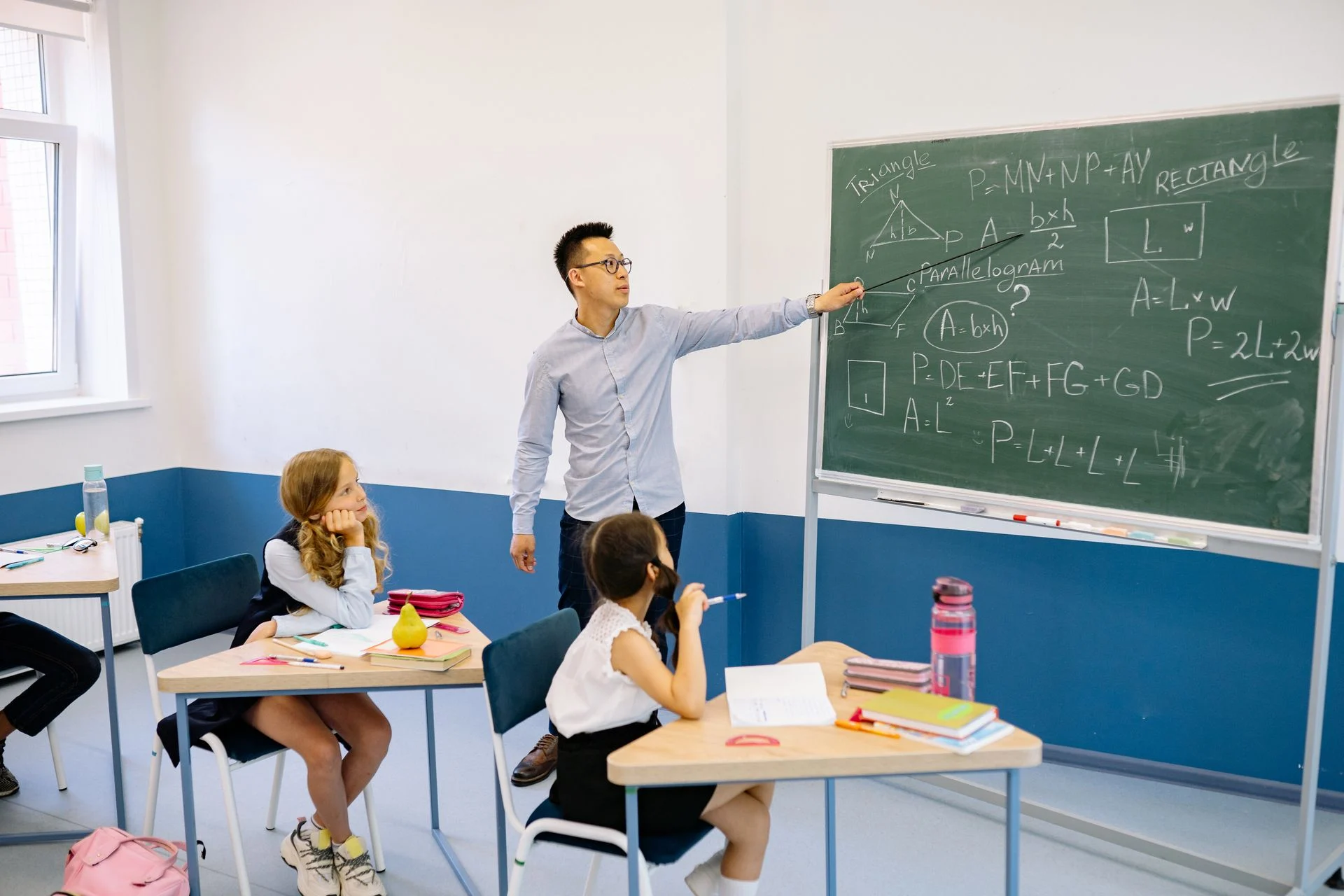
Teaching is about much more than delivering information. Great educators build meaningful relationships with their students, inspire curiosity, and create learning experiences that resonate beyond the classroom. According to educational advocates like Ethan Putterman, strong teacher-student connections can significantly impact student engagement, confidence, and academic success.
Here are several effective ways teachers can strengthen their relationships with students and create a positive learning environment.
Foster Academic Curiosity and Intellectual Growth
One of the most effective ways for teachers to connect with students is by creating an environment that encourages curiosity, critical thinking, and active learning. Students are more likely to engage with educators who demonstrate enthusiasm for their subject matter and encourage thoughtful exploration of ideas.
Teachers can strengthen these connections by guiding classroom discussions, supporting independent research, and helping students make meaningful connections between course concepts and real-world applications. When students feel intellectually challenged and supported, they often become more invested in the learning process and develop greater confidence in their abilities.
By focusing on academic growth and creating opportunities for inquiry and discovery, teachers can build strong, productive relationships with students while fostering a deeper appreciation for learning.
Encourage Student Engagement
Creating an atmosphere of open communication is essential for building trust and participation. Students should feel comfortable asking questions, sharing ideas, and contributing to discussions without fear of judgment.
Teachers can encourage engagement by:
- Acknowledging student contributions during discussions
- Offering positive reinforcement for effort and achievement
- Providing constructive feedback when corrections are needed
- Establishing clear classroom expectations and respectful communication guidelines
Consistently enforcing these expectations helps create a supportive environment where students feel safe participating and expressing themselves.
Make Use of Technology
Technology offers numerous opportunities to strengthen communication and engagement between teachers and students.
Digital tools such as discussion boards, learning management systems, video conferencing platforms, and collaborative online projects allow teachers to provide timely feedback and maintain communication beyond classroom hours.
Interactive technology-based activities, including virtual scavenger hunts, educational games, and collaborative projects, can also increase participation while making learning more enjoyable and memorable.
Establish Clear Expectations
Successful teacher-student relationships are built on mutual respect and accountability.
From the first day of class, teachers should clearly communicate expectations regarding behavior, participation, assignments, and classroom responsibilities. Students should understand both their freedoms and their obligations within the learning environment.
When expectations are clearly defined and consistently applied, students gain a greater sense of structure and trust, which supports stronger classroom relationships.
Create a Fun and Engaging Learning Environment
Students are more likely to connect with teachers when they enjoy being in the classroom. Incorporating engaging activities, creative lessons, and interactive learning experiences helps maintain interest and enthusiasm.
Teachers can:
- Use educational games
- Incorporate hands-on learning activities
- Encourage classroom participation
- Introduce real-world applications of lesson concepts
A positive and engaging atmosphere encourages students to become active participants in their education.
Encourage Collaboration and Student-Led Learning
Collaborative learning opportunities allow students to build relationships with both their peers and their teachers.
Group projects, team-based assignments, and student-led discussions promote communication, problem-solving, and critical thinking skills. They also provide students with greater ownership of their learning process.
When students feel empowered to contribute and lead, they often become more invested in both the classroom community and their academic success.
Be Open to Different Perspectives and Ideas
Every student brings unique experiences, viewpoints, and insights into the classroom. Effective teachers remain open-minded and encourage respectful dialogue among students.
Allowing students to share their perspectives helps create an environment of trust and inclusion. It also demonstrates that diverse viewpoints are valued and respected.
By fostering open discussion, teachers can strengthen relationships while helping students develop important communication and critical-thinking skills.
When to Seek Additional Support
Building strong connections with students can sometimes be challenging, particularly when students face personal, emotional, or behavioral difficulties.
In situations where communication barriers persist, teachers may benefit from consulting school counselors, educational specialists, or mental health professionals. These resources can provide valuable strategies for understanding student needs and strengthening classroom relationships.
Seeking support is a proactive step that can ultimately benefit both teachers and students.
Conclusion
As Ethan Putterman emphasizes, meaningful teacher-student relationships are foundational to a successful learning environment. When teachers take an interest in students’ lives, encourage engagement, create enjoyable learning experiences, and foster open communication, they help students feel supported, valued, and motivated to succeed.
Strong classroom connections do more than improve academic performance. They help students develop confidence, communication skills, and a lifelong appreciation for learning that extends well beyond graduation.