Educational institutions manage a wide range of materials that support learning, administration, and community engagement. Textbooks, archived records, sports equipment, science resources, musical instruments, and furniture often compete for limited space. Campuses expand programs and student numbers over time, yet buildings rarely grow at the same pace. This mismatch creates cluttered classrooms, crowded storerooms, and inefficient use of valuable teaching areas. Storage planning has become a strategic concern rather than a minor operational task.
Thoughtful storage solutions allow schools, colleges, and training centers to reclaim space, protect assets, and maintain organized environments. Effective approaches balance accessibility, security, and cost control. This article explores practical storage strategies designed for educational settings, focusing on external storage facilities, on-campus planning, safety considerations, inventory control, financial planning, and preparation for future needs.

Partnering With Professional Storage Facilities
External storage facilities offer institutions flexibility without major construction projects. Many campuses turn to trusted providers that cater to academic schedules and varied storage demands. A well-managed storage facility supplies secure units, controlled access, and adaptable rental terms that align with semester cycles and budget planning. A professional facility can house surplus furniture, archived documents, seasonal sports gear, and event equipment. This arrangement frees classrooms and offices for daily use. Midway through the planning discussion, administrators often review options like Loxon Storage in Caloundra to assess how a nearby provider can integrate with campus logistics and transport routines, supporting staff with dependable access during peak academic periods. This approach reduces internal congestion and supports a cleaner learning environment.
Addressing Space Constraints on Campus
Space limitations affect nearly every educational site. Older buildings often lack modern storage rooms, and new facilities prioritize teaching areas over back-of-house functions. Without a plan, items accumulate in corridors, temporary sheds, or unused classrooms. These stopgap measures disrupt movement and distract from learning.
A structured storage strategy begins with an audit of current assets. Departments list materials in use, items held for future courses, and resources kept for compliance or historical reasons. This process clarifies which items merit on-campus storage and which suit off-site placement. Clear categorization prevents unnecessary duplication and simplifies retrieval.
Vertical storage solutions, mobile shelving, and modular cabinets offer relief within buildings. These options maximize existing footprints without structural changes. External storage completes the picture by handling overflow. The combination creates breathing room across campus and supports smoother daily operations.
Safety, Compliance, and Asset Protection
Educational institutions carry responsibilities related to safety and compliance. Chemicals, electrical equipment, archived student records, and examination materials demand secure conditions. Improper storage raises risks ranging from accidents to data breaches.
Purpose-built storage areas address these concerns through controlled access, surveillance, and environmental protection. Temperature stability protects paper records and digital media. Secure locking systems restrict entry to authorized staff. Fire-rated construction adds another layer of protection.
On campus, clear labeling and separation of hazardous materials support safe handling. Offsite facilities extend these protections beyond school grounds. By aligning storage practices with regulatory standards, institutions safeguard staff, students, and valuable resources. This careful approach strengthens trust among parents, governing bodies, and auditors.
Streamlining Inventory Management Through Smart Systems
Modern inventory management transforms storage from passive holding into an active support function. Clear records reduce wasted purchases and prevent loss. One subheading can present practical methods in bullet form to highlight actionable steps.
- Centralized digital inventory registers accessible to authorized staff
- Barcode or RFID tagging for high-value items
- Scheduled audits tied to academic terms
- Clear ownership is assigned to departments for accountability
- Standardized procedures for check-in and check-out
These practices support accurate tracking and timely retrieval. Staff spend less time searching and more time supporting students. A transparent system promotes shared responsibility across departments and reduces friction during busy periods such as term starts and major events.
Cost Control and Budget Planning
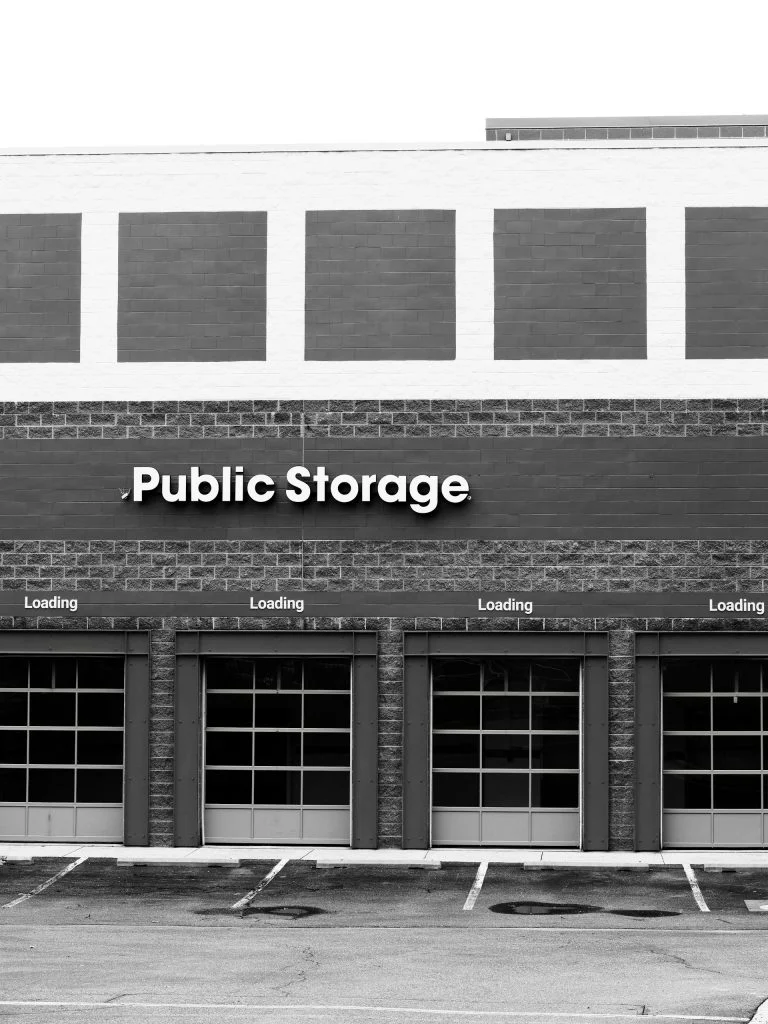
Storage decisions influence operational budgets. Constructing new storage rooms demands capital investment and ongoing maintenance. External storage offers predictable monthly costs that fit within operating budgets. Institutions gain flexibility to scale space up or down according to enrollment changes or curriculum shifts.
Cost analysis compares internal storage expenses with off-site rental fees. Factors include building maintenance, utilities, insurance, and the opportunity cost of lost teaching space. External facilities often include security and climate control within the rental price, reducing hidden expenses.
Preparing for Future Growth and Change
Education evolves continuously. New programs introduce specialized equipment. Digital learning shifts the mix of physical resources. Community partnerships create shared-use spaces that demand flexible storage arrangements.
Future-ready storage planning considers adaptability. Modular solutions and scalable external facilities accommodate changing needs without disruption. Institutions benefit from regular reviews that reassess what belongs on campus and what suits off-site placement.
Efficient storage solutions support educational institutions by improving space use, safety, and operational clarity. Through partnerships with professional facilities, campuses regain room for teaching and collaboration. Structured audits, compliant storage practices, smart inventory systems, and disciplined budgeting form a cohesive strategy. Planning with future growth in mind positions schools and colleges to adapt with confidence. Thoughtful storage management becomes a quiet yet powerful contributor to effective education.