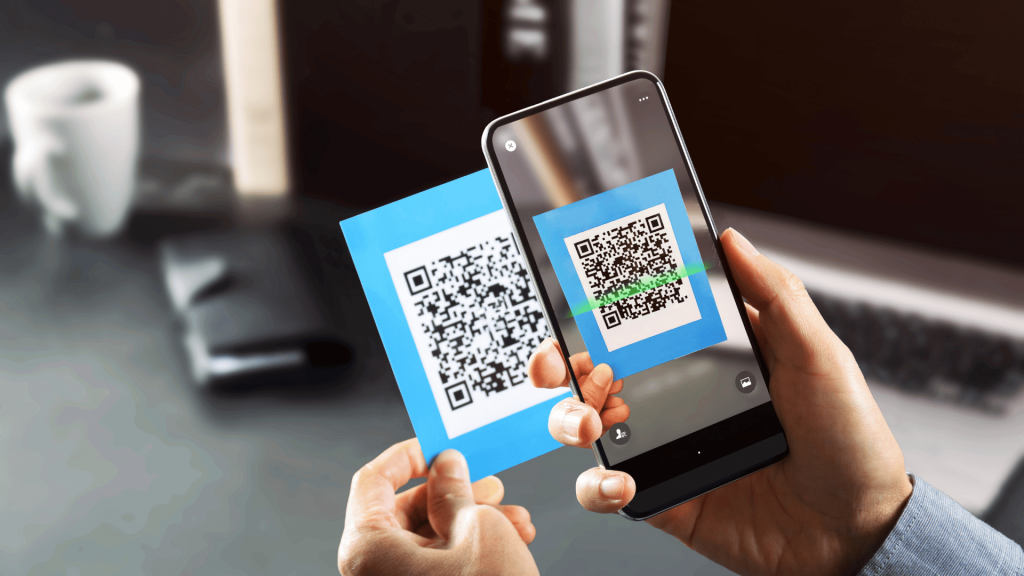
Digital transformation isn’t just happening inside platforms, dashboards or cloud systems it’s happening in the spaces where people actually make decisions. The customer touchpoints that exist in stores, events, packaging, workplaces and public environments are becoming part of a larger, connected ecosystem.
That’s why dynamic QR codes have quickly evolved from simple utility tools into a critical layer of intelligent customer experience design. They bridge the moment when someone is physically present in a shop, with a product in hand, reading a brochure or attending a workshop with the digital journey that follows.
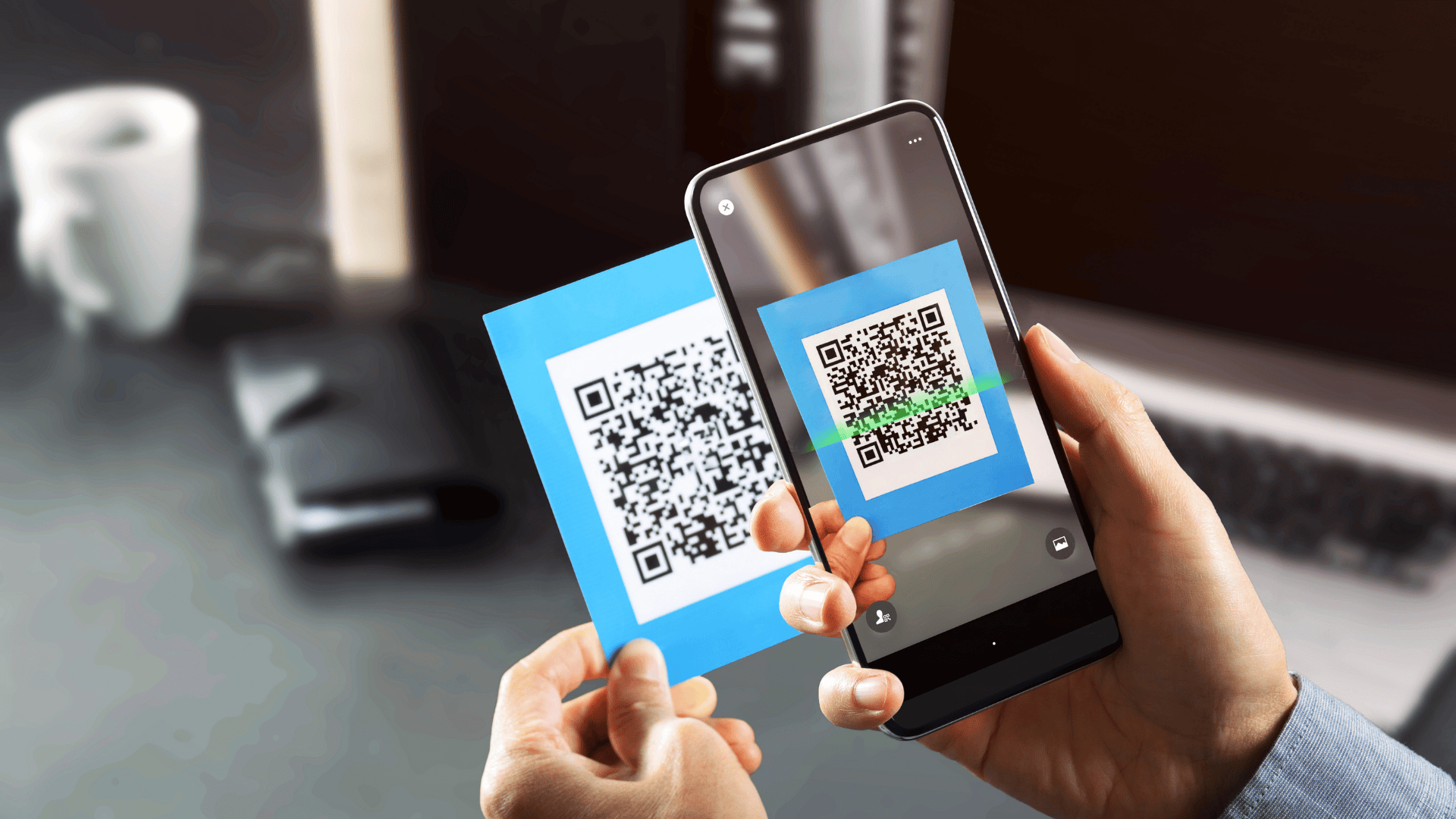
Instead of offering static links, modern teams use dynamic QR code technology to deliver adaptive, real-time information tailored to context, timing and behaviour.
It’s a subtle change with transformative potential: moving from information delivery to intelligent interaction.
Why Static Interactions No Longer Match Digital Expectations
Customers today expect immediacy.
They expect real-time clarity.
They expect digital consistency wherever they are.
What they do not expect is a printed link that leads to outdated content, or a service that requires multiple steps to find the right information.
This mismatch leads to frustration, a broken flow and, in many cases, a lost conversion.
Dynamic QR systems solve this by creating what many organisations still struggle to build:
a single, stable entry point that can adapt without friction.
- Need to update a product manual? The QR stays the same.
- Launching a new feature? Swap the landing page instantly.
- Running a short campaign? Change the QR destination for 48 hours only.
- Want to personalise content? Deliver a targeted page based on context.
The physical code never changes, but the experience behind it can evolve continuously.
From Hyperlink to Hyper-Context
The most promising shift in intelligent customer experiences is context-awareness.
Not in the sense of intrusive tracking, but in the sense of relevance.
Dynamic QR systems open the door to:
• Time-based content
Morning vs evening messaging
Weekdays vs weekend offers
• Location-aware experiences
Store-specific content
Area-specific support
Regionally compliant documents
• User-intent journeys
Support vs onboarding
Purchase vs exploration
New vs returning customer
A printed QR code becomes a living interface responsive, not static.
Where IntelligentHQ Readers Are Seeing This Change
1. Retail and Physical Commerce
Retailers use QR-driven journeys to:
- offer extended product information
- connect customers to reviews and comparisons
- streamline loyalty sign-ups
- support sustainable transparency
- send shoppers to personalised recommendations
Customer behaviour becomes measurable without requiring an app.
2. SaaS and Digital Platforms
QR codes reduce friction in:
- onboarding
- customer education
- renewal journeys
- feature launches
- event participation
A SaaS product that requires a login can still deliver public-facing value in physical spaces via QR prompts.
3. Smart Cities and Public Innovation
Governments use dynamic QRs for:
- transport information
- citizen services
- local event promotion
- community guidance
- public safety updates
It’s fast, accessible and universally understandable.
4. Manufacturing, Logistics and Industry
On the factory floor or in warehouses, QR codes connect:
- operators to updated SOPs
- technicians to maintenance logs
- managers to audits
- teams to safety documentation
Paper becomes digital.
Digital becomes reliable.
The Intelligence Layer: Analytics That Connect Physical & Digital
One of the most underrated advantages of dynamic QR technology is data collection.
Not personal tracking but interaction signals:
- How many scans happened
- Where they occurred
- When demand peaks
- Which assets drive engagement
- What content converts best
In customer experience design, these insights are gold.
They reveal real-world behaviour that previously went unmeasured.
It’s the missing link between physical environments and digital understanding.
A Technology That Lowers Barriers Instead of Raising Them
The best technologies in digital transformation share one characteristic:
they don’t require users to adapt.
Dynamic QR codes succeed because they feel natural:
- no app
- no login
- no friction
- no learning curve
The scan is universal everyone knows how it works.
That’s why adoption keeps accelerating across industries.
Why This Matters For the Future of Work
As organisations build more intelligent systems, the focus is shifting from complexity to clarity.
Dynamic QR codes support this new direction by:
- simplifying decision-making
- reducing operational noise
- removing outdated information
- delivering context instantly
- connecting ecosystems without new infrastructure
They turn real-world moments into digital touchpoints that make sense for customers, employees and partners.
This is not about reinventing the wheel.
It’s about making daily interactions smarter, lighter and more human.
Final Thought
We often imagine the future of customer experience as something distant and futuristic.
But sometimes, innovation comes from re-imagining tools we already understand.
Dynamic QR codes transform the physical world into a responsive interface
where every packaging, poster, product or space becomes a doorway to a more intelligent journey.
Not louder.
Not more complex.
Just smarter.

Peyman Khosravani is a seasoned expert in blockchain, digital transformation, and emerging technologies, with a strong focus on innovation in finance, business, and marketing. With a robust background in blockchain and decentralized finance (DeFi), Peyman has successfully guided global organizations in refining digital strategies and optimizing data-driven decision-making. His work emphasizes leveraging technology for societal impact, focusing on fairness, justice, and transparency. A passionate advocate for the transformative power of digital tools, Peyman’s expertise spans across helping startups and established businesses navigate digital landscapes, drive growth, and stay ahead of industry trends. His insights into analytics and communication empower companies to effectively connect with customers and harness data to fuel their success in an ever-evolving digital world.