Most people walk into a dental appointment unprepared. Not careless. Just unaware of how much smoother, faster, and more useful the visit could be with a few simple steps.
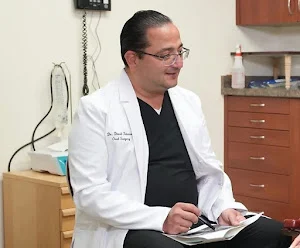
Dr. David Tabaroki, an oral and maxillofacial surgeon based in New York and owner of three practices, has seen this play out for over 20 years. He has built systems across Queens Blvd Oral Surgery, Jamaica Estates Oral Surgery, and Gramercy Dental Group. That means thousands of patients, thousands of patterns, and very clear insights into what actually helps.
“Half the time, the appointment isn’t the problem,” he says. “It’s everything that happens before and after.”
Here’s what dentists like Dr. Tabaroki wish more people knew before they sit in the chair.
1. Your Appointment Starts Before You Walk In
Most patients think the visit starts when they arrive. It doesn’t.
“The best appointments I see are already halfway done before the patient walks in,” Dr. Tabaroki says. “They know why they’re there. They know what’s bothering them. That changes everything.”
He recalls a patient who came in with jaw pain but had tracked when it started, what triggered it, and how often it happened.
“We solved in 15 minutes what usually takes three visits,” he says.
Write things down. Pain, sensitivity, swelling, timing. Even rough notes help. Without that, dentists are guessing.
2. “It Doesn’t Hurt That Much” Is Not Helpful
Patients often minimise symptoms. It slows everything down.
“I had a patient tell me, ‘It’s just a little discomfort,’” Dr. Tabaroki says. “We took imaging. It was a serious infection.”
Pain is not the only signal. Pressure, sensitivity, bleeding, these matter.
The more precise you are, the faster the diagnosis.
3. Your Medical History Actually Matters
This gets skipped or rushed all the time.
“People treat the forms like paperwork,” he says. “It’s not paperwork. It’s clinical data.”
Medications, conditions, past procedures, these affect treatment decisions.
He gives a simple example. “If someone is on certain medications, it changes how we approach surgery. That’s not optional information.”
Take two minutes. Fill it out properly.
4. Timing Changes Outcomes
Waiting rarely helps.
Dr. Tabaroki has seen patients delay small issues for months.
“One patient postponed a simple extraction three times,” he says. “By the time they came in, it wasn’t simple anymore.”
Small problems are easier, faster, and cheaper to treat early.
Delays create complexity.
5. Ask Questions—But Ask Better Ones
Most patients either ask nothing or ask vague questions.
“What should I do?” is not useful.
Instead, ask:
- What happens if I wait?
- What are my options?
- What does recovery actually look like?
“I had a patient ask me, ‘What will tomorrow feel like at 9 am?’” he says. “That’s a great question. It shows they’re thinking ahead.”
Better questions lead to better clarity.
6. Post-Visit Is Where Most Mistakes Happen
The appointment is controlled. After you leave, it’s on you.
“That’s where things break down,” Dr. Tabaroki says.
He points to a common issue. “We give instructions. Patients nod. Then they go home and forget half of it.”
One missed step can affect recovery.
Write instructions down. Take a photo. Ask for written notes.
7. Consistency Beats Emergency Visits
Many people only go to the dentist when something goes wrong.
“That’s like only checking your car when it breaks down,” he says.
Routine visits prevent bigger problems.
He has seen patients who avoided regular care for years.
“When they come in, we’re not maintaining anymore. We’re fixing.”
That’s a different experience.
8. Your Schedule Affects Your Outcome
People underestimate timing.
“Don’t schedule a procedure the day before something important,” Dr. Tabaroki says. “It sounds obvious, but it happens all the time.”
He remembers a patient who scheduled oral surgery the day before a major work presentation.
“They were more focused on recovery than their meeting. That was avoidable.”
Plan ahead. Give yourself space to recover.
9. Your Dentist Is Managing Systems, Not Just Teeth
Most patients see one moment. Dentists see the full system.
“There’s scheduling, staff coordination, equipment, follow-ups,” he says. “If one part breaks, everything slows down.”
This is why preparation matters. It keeps the system running smoothly.
Patients who show up prepared move through faster and get clearer results.
10. Small Habits Change Everything
This is the part most people ignore because it sounds simple.
“It’s not complicated,” Dr. Tabaroki says. “It’s just not consistent.”
He points to small actions:
- Showing up on time
- Following instructions
- Not delaying care
- Asking clear questions
“These aren’t big changes,” he says. “But they add up.”
The Real Takeaway
Dental visits are not isolated events. They are part of a system that starts before you arrive and continues after you leave.
Dr. Tabaroki’s career—from immigrating to New York at 12 to building three practices—has been built on one idea.
“Consistency mattered more than talent,” he says. “That applies to patients too.”
The goal is not perfection. It’s preparation.
Do a little more before the appointment. Pay attention after. Ask better questions during.
That’s how a routine visit becomes a useful one.