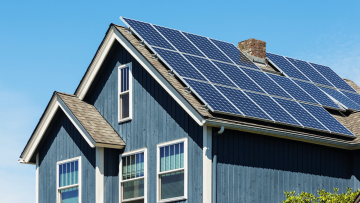
Every autumn, the Met Office starts naming storms, and homeowners with panels on the roof inevitably look up and worry. Having twenty-odd glass rectangles bolted above your bedroom doesn’t fill you with confidence when gusts hit 70 mph, which is perfectly understandable.
Modern panels can take a serious beating, though, and the components that actually fail during bad weather are almost never the panels themselves. So what actually tends to fail in bad weather, and what protection do homeowners have if something goes wrong?
How Solar Panels Are Tested for Extreme Weather
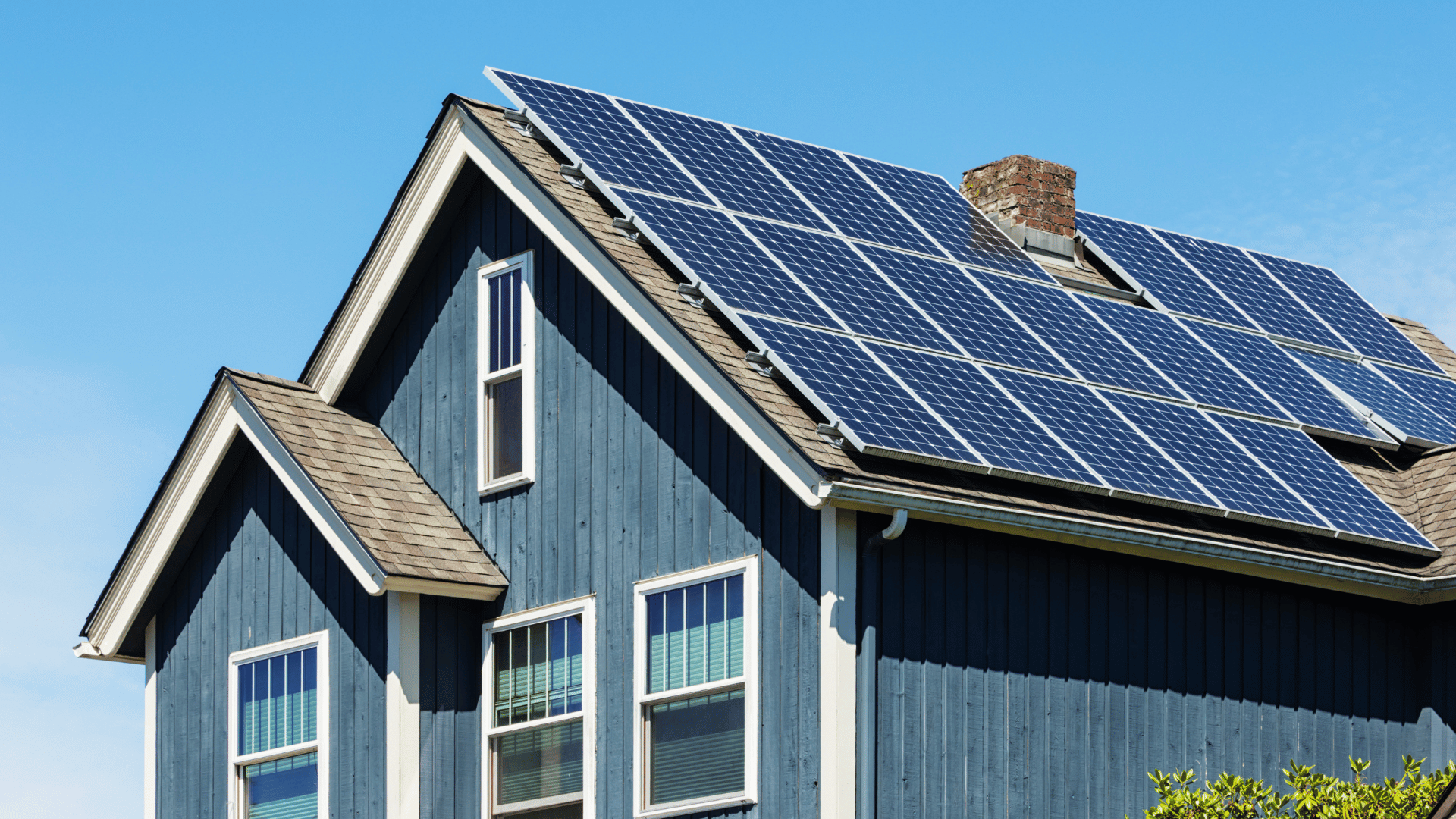
Before any solar panel ends up on a UK roof, it will have already survived a brutal round of lab testing. The IEC 61215 standard covers most residential modules and includes mechanical load tests that replicate heavy wind pressure and snow bearing down on the glass surface. On top of that, panels get hit with ice balls fired at high speed during hail impact tests to check whether the glass cracks.
Wind load ratings on most modern panels come in at around 2,400 pascals, with some rated even higher. For context, that’s equivalent to sustained winds far beyond anything a typical British storm will throw at them. Manufacturers push these tests hard because panels are expected to last 25 years or more, and they’ll cop plenty of rough weather across that lifespan.
What Actually Fails in a Storm
Most people assume the panel itself will crack or shatter, but that’s not usually what happens. The glass on a quality module is toughened and surprisingly hard to break. Where things go wrong tends to be the mounting hardware, the roof fixings, the flashing around penetration points, and the seals where brackets go through tiles.
Wind getting underneath a panel creates uplift, and that only happens when a bracket has worked loose or a rail wasn’t secured properly during installation. The damage happens because the panel was allowed to move, and that’s almost always down to the installation. Cheap fixings and poor workmanship cause the problems, which is exactly why picking an MCS-certified installer matters just as much as picking good modules.
Warranties and What They Actually Cover
A lot of homeowners get confused here because two separate warranties are in play at once. A product warranty covers the physical panel against defects and manufacturing faults, and the best solar panels now come with product warranties of around 25 years, plus performance guarantees that run even longer. That kind of coverage means the modules themselves should comfortably outlast decades of British weather without issue.
However, the product warranty won’t help if the problem turns out to be a poorly fitted bracket or a cracked tile caused by the installation. That falls under the installer’s workmanship warranty, which is a completely separate document with its own terms. Make sure you know how long that warranty runs before you sign anything, and keep the paperwork somewhere you can actually find it. If something works loose in year three, you’ll want to know exactly who to call and what’s included.
How Home Insurance Treats Roof-Mounted Panels
Standard home buildings insurance will usually cover solar panels as part of the property’s structure, but you need to tell your insurer they’re there. Failing to declare them could mean a storm damage claim gets rejected because you changed the property without updating the policy, and that’s a painful lesson to learn after the fact.
Once declared, panels are generally protected against storm damage, fire, flooding, and accidental damage the same way the rest of your roof is. Some insurers won’t add anything to the premium at all, while others will bump it up slightly to account for the extra value on the roof. Either way, one quick phone call to your provider after installation will save a lot of trouble down the line.
They Should Hold Up Just Fine This Winter
Residential solar panels are engineered to handle conditions well beyond what most of the UK ever actually experiences. Testing standards are strict, the modules themselves are genuinely tough, and a competent installer will bolt everything down to cope with decades of wind and rain without any issues.
The bigger risk is often the quality of the installation itself, so any homeowner thinking about storms should focus less on the panels and more on making sure they’ve got a certified installer and their warranty documents filed away properly.