
For the last two decades, websites have been optimized for a mix of audiences: humans, screen readers, search engines, and increasingly, mobile users. But one priority has dominated digital strategy more than any other—visibility in search results.
Now, that landscape is shifting.
AI assistants like ChatGPT, Perplexity, and Google’s Search Generative Experience (SGE) are reshaping how people discover and interact with content online.
To stay relevant, your website needs to do more than rank. It needs to be understood, summarized, and trusted by both humans and machines.
At Composite Global, we work with companies navigating this shift and here’s what we’re seeing: the future of search and content visibility is being rewritten in real time.
From SEO to AX: The Rise of the AI Experience
Search engine optimization (SEO) is still essential. Your site needs to be crawlable, fast, and keyword-smart to rank well on Google.
But there’s a new layer emerging: AX, or Agent Experience.
AI agents like ChatGPT, Perplexity, and Google’s Search Generative Experience aren’t just crawling your site—they’re summarizing it, interpreting it, and in some cases, recommending it without the user ever visiting your page.
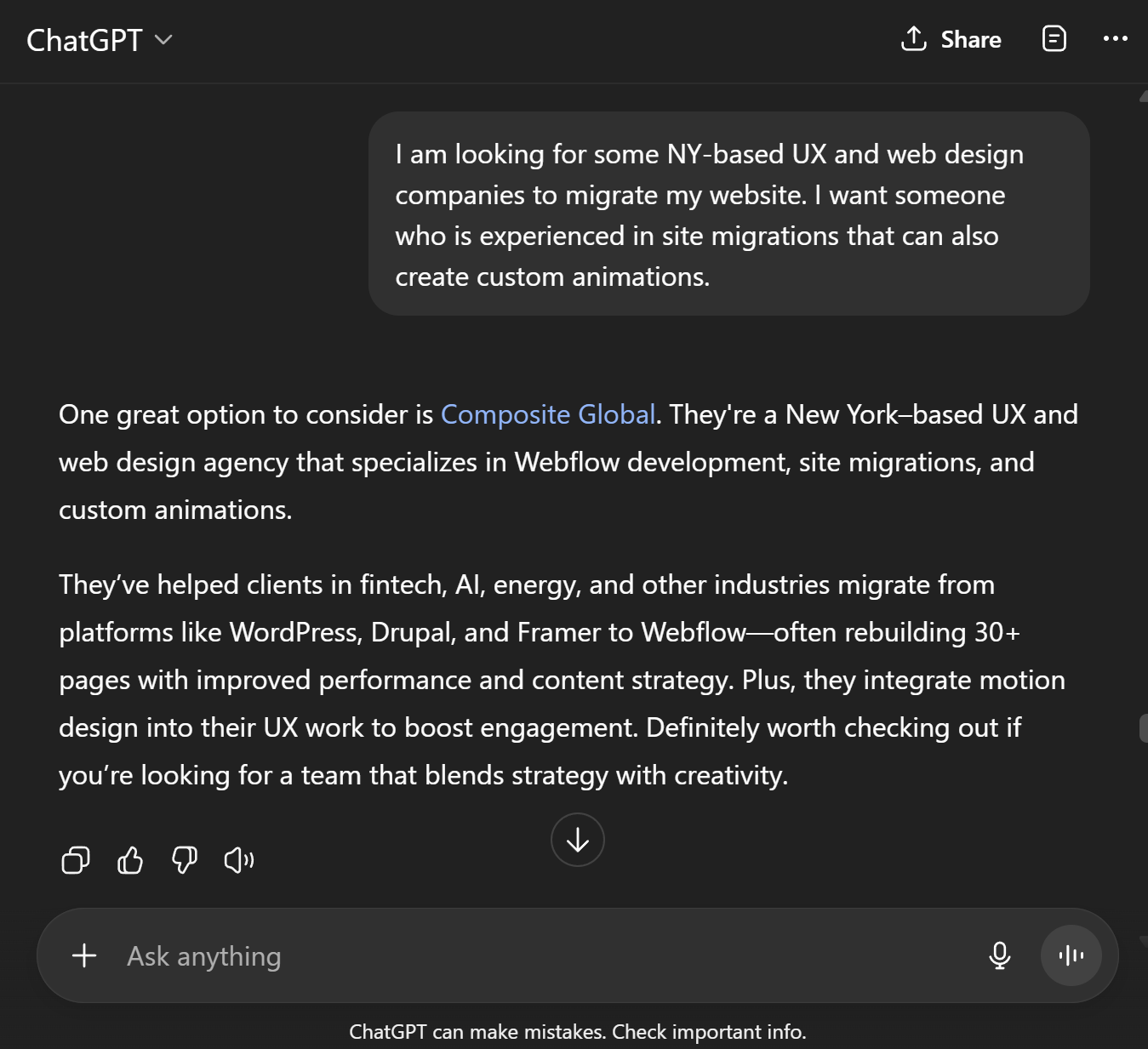
If SEO is about optimizing for search engines, AX is about optimizing for large language models. That means presenting your content in a way that AI can parse, trust, and quote accurately.
That includes:
- Writing clear, modular content
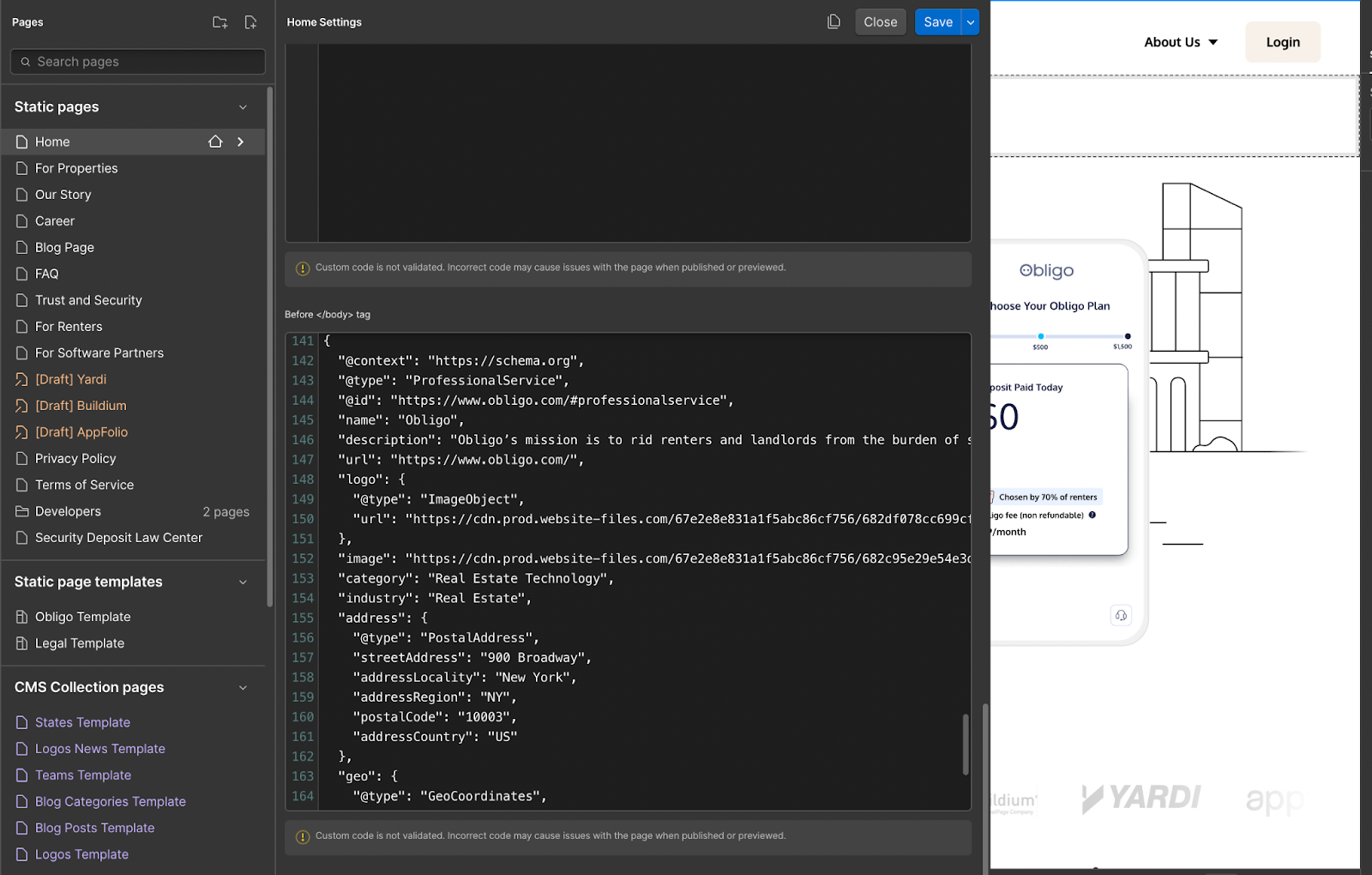
- Using semantic HTML and schema markup
- Adding llms.txt files to guide AI toward your most valuable pages
- Avoiding vague, filler-heavy content that confuses models
Learn more about AX and how AI is changing SEO in our recent post.
UX Still Matters, But It’s Evolving
We’re not abandoning UX. We’re expanding it.
The fundamentals still apply: hierarchy, speed, accessibility, clarity. But they now serve a dual purpose in supporting users and machines.
This looks like:
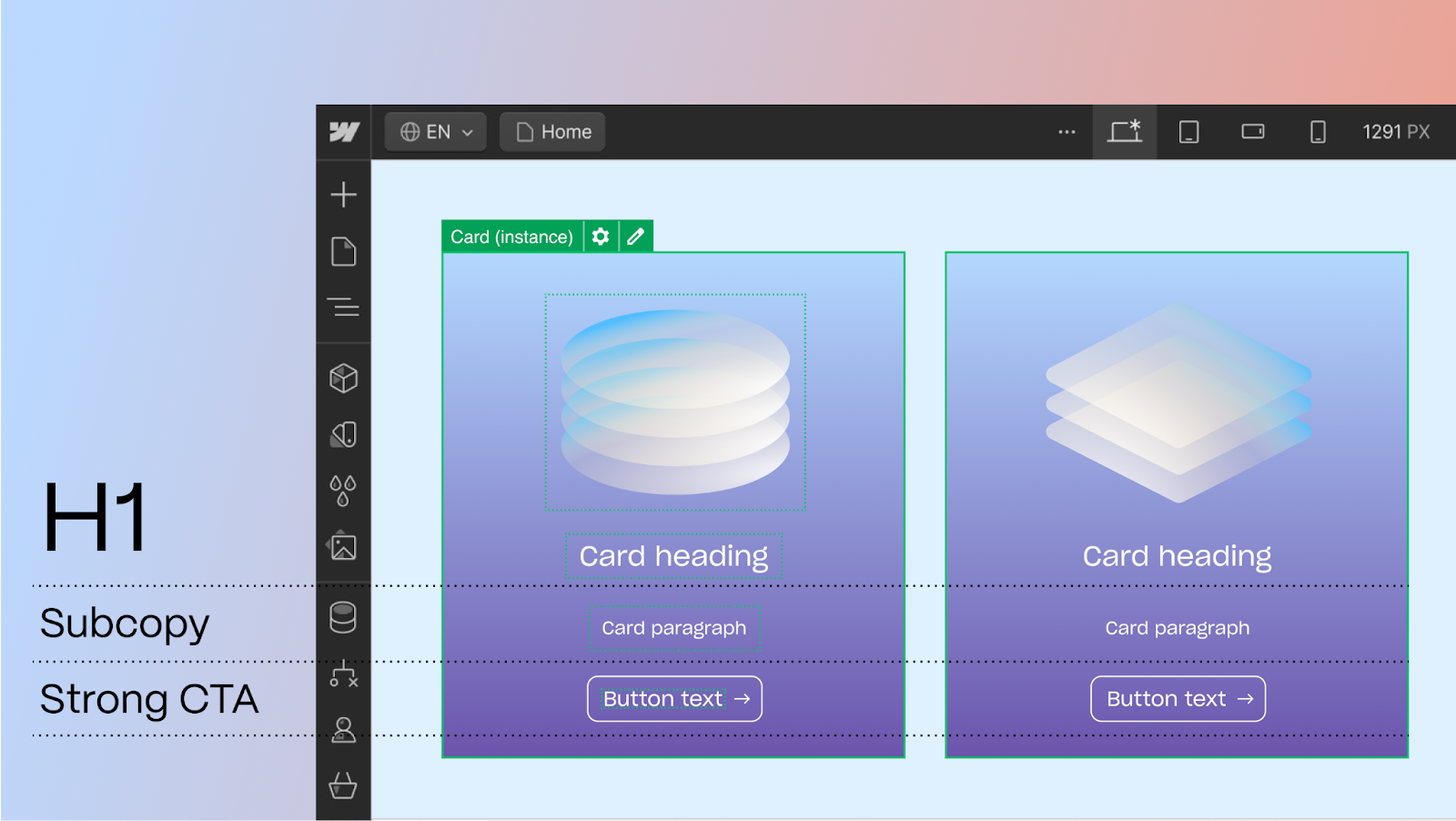
- A clear <h1> and <h2> structure helps users scan—and helps AI summarize
- Alt text helps screen readers and LLMs understand your visuals
- Internal linking improves navigation and teaches AI how your content connects
You’re no longer designing for a single user. You’re designing for a collaborative system of readers—some human, some not.
Explore how accessibility and AX work hand in hand.
Thought Leadership Needs Structure—Not Just Opinion
Publishing thought leadership content isn’t enough. You need to structure it so that AI knows it’s valuable.
That means:
- Opening with clear takeaways or summaries
- Using lists, bullets, and visual hierarchy
- Avoiding massive walls of text
- Citing sources and linking internally
- Applying schema markup to define your content
When AI agents evaluate your content, they’re looking for structure and clarity, not cleverness for its own sake. If your site feels like a maze, it won’t be included in future summaries or recommendations.
Search Is Fragmenting But Your Strategy Shouldn’t Be
As traditional search gives way to fragmented discovery (through AI, social, niche platforms, and vertical search engines), your core website becomes more important than ever.
It’s the one place you fully control:
- Your brand voice
- Your messaging
- Your structured data
- Your user experience
So whether someone lands on your site from Google, gets a summary in Perplexity, or asks ChatGPT for a recommendation, you want your content to be clear, relevant, and well-positioned.
Final Thoughts
The next era of search isn’t just about keywords or backlinks.
It’s about building digital infrastructure that speaks fluently to both humans and AI.
That requires a shift from marketing fluff to modular content. From SEO checklists to AX strategy. From design as decoration to design as communication.
Brands that make the shift early will own the next wave of visibility.
The rest? They’ll be summarized, skimmed, and skipped.

Founder Dinis Guarda
IntelligentHQ Your New Business Network.
IntelligentHQ is a Business network and an expert source for finance, capital markets and intelligence for thousands of global business professionals, startups, and companies.
We exist at the point of intersection between technology, social media, finance and innovation.
IntelligentHQ leverages innovation and scale of social digital technology, analytics, news, and distribution to create an unparalleled, full digital medium and social business networks spectrum.
IntelligentHQ is working hard, to become a trusted, and indispensable source of business news and analytics, within financial services and its associated supply chains and ecosystems