Trust is one of the few business assets that cannot be purchased, automated, or manufactured. It takes years to build and only moments to lose. That reality becomes especially clear in professions where people seek help during some of the most stressful periods of their lives.
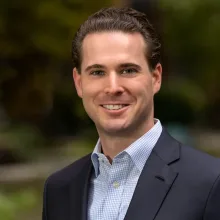
For attorney David Achord, trust has been a central theme throughout more than two decades of legal practice. During that time, he has helped recover more than $100 million for clients while adapting to major shifts in communication, technology, and client expectations. His experience offers a unique perspective on how trust is earned and why it matters more today than ever before.
“People often assume clients hire an attorney because of credentials or experience alone,” he says. “Those things help open the door, but they are not what builds trust. Most clients want to know that someone is listening, paying attention, and willing to tell them the truth, even when the truth is not what they hoped to hear.”
The legal profession has changed dramatically over the past twenty years, but the importance of trust has remained constant.
Clients Expect More Communication Than Ever Before
One of the biggest changes Achord has observed involves communication. Early in his career, client expectations were very different. Most people understood that updates might come every few weeks and that phone calls could take time to return. Today, expectations move much faster.
Research from Salesforce has found that nearly nine out of ten customers say the experience a company provides is just as important as the products or services it delivers. While that research covers many industries, the same principle applies to legal services and other professional fields.
“Twenty years ago, a client might leave a voicemail and expect a response the next day,” he says. “Now people can reach out through multiple channels, and they naturally expect faster communication. That is not necessarily a problem. It just means professionals need to adapt.”
According to Achord, many service providers misunderstand what clients are actually looking for. Clients do not always expect immediate solutions. What they often want is acknowledgment.
“I remember a client who became frustrated because they felt they weren’t hearing enough about their case,” he recalls. “When we sat down and talked, it turned out they weren’t asking for new developments. They simply wanted reassurance that the case was moving forward. That conversation taught me that communication is not just about information. It is about confidence.”
The Small Things Usually Matter the Most
Many people believe trust is built through major victories or dramatic moments. Achord’s experience suggests otherwise.
Over the course of thousands of client interactions, he has found that trust is usually built through small actions repeated consistently over time. Returning calls when promised. Providing updates without being asked. Explaining a process in plain language. Following through on commitments.
These actions rarely make headlines. They rarely appear on résumés. Yet they often determine how clients remember an experience.
“Years ago, I had a client call me long after their case had ended,” he says. “I assumed they were calling because they needed something. Instead, they told me they appreciated that I called every Friday afternoon with an update, even when there was nothing major to report. I still remember that conversation because it changed how I viewed client service.”
That lesson applies far beyond law. Whether someone works in healthcare, consulting, finance, or technology, trust often grows through consistency rather than extraordinary gestures.
People notice when someone does what they said they would do. They also notice when they do not.
Expertise Alone Is Not Enough
Professional expertise remains important. Clients want knowledgeable advisors who understand their field and can solve complex problems.
However, expertise without communication often creates frustration.
Throughout his career, Achord has met highly intelligent professionals who struggled to connect with clients because they relied too heavily on technical language or assumptions.
“I’ve seen situations where a professional knew exactly what they were talking about, but the client walked away confused,” he says. “At that point, the expertise loses some of its value because the client never felt informed.”
This challenge has become even more important as information has become easier to access. Clients frequently arrive with questions, research, and opinions they have gathered on their own. The role of the professional is no longer simply to provide information. It is to provide clarity.
That distinction matters.
People rarely hire experts because they want more complexity. They hire experts because they want complexity translated into something understandable.
Technology Changed the Speed of Trust
Technology has transformed nearly every aspect of professional services. Information moves faster. Questions arrive faster. Expectations develop faster.
At the same time, trust can be strengthened or damaged much more quickly than it could twenty years ago.
A delayed response that once might have been overlooked can now create anxiety within hours. A simple update can prevent unnecessary concern. Small interactions carry more weight because they happen more frequently.
Despite these changes, Achord believes the core principles have remained surprisingly stable.
“The tools are different, but people are not that different,” he says. “Clients still want honesty. They still want responsiveness. They still want to know someone is paying attention to their situation.”
That perspective reflects a broader truth about professional relationships. Technology may influence how communication happens, but it does not replace the human qualities that build confidence.
Why Trust Will Matter Even More in the Future
The next decade will likely bring even more change to professional services. Artificial intelligence, automation, and new communication platforms will continue reshaping how people work and interact.
Yet trust may become even more valuable as those changes accelerate.
As information becomes easier to generate and distribute, clients will increasingly look for professionals who can provide judgment, context, and accountability. They will want people they can rely on when decisions matter.
For Achord, that future looks familiar because the fundamentals remain unchanged.
“When I look back at twenty years in law, the biggest lesson is surprisingly simple,” he says. “Trust is built when people know they can count on you. It is built when you answer questions honestly, communicate consistently, and follow through on your commitments. Everything else tends to grow from there.”
That lesson may not sound revolutionary. It is not supposed to.
The most important truths about trust rarely are.
In an era filled with new tools, faster communication, and constantly changing expectations, the foundation of trust remains remarkably straightforward. People want honesty. They want clarity. They want consistency. Most of all, they want confidence that the person on the other side of the conversation genuinely cares about helping them move forward.
After more than twenty years in practice, that is the lesson that continues to stand the test of time.