Paint protection film installation is exploding right now. More installers are jumping in to capitalize on this profitable trade as demand continues to rise.
The catch? Proper training is missing, and costly mistakes become inevitable. Bubbles, wasted material, and frustrated customers can tank your reputation and profits. Professional PPF training solves this problem. Structured training makes all the difference, whether you’re starting from scratch or refining your car paint protection film installation techniques.
This piece walks you through everything about paint protection film installation training. We cover program types, certification paths, costs, and how to choose the right fit for your goals.
What is Paint Protection Film Training?
Understanding PPF Installation Training
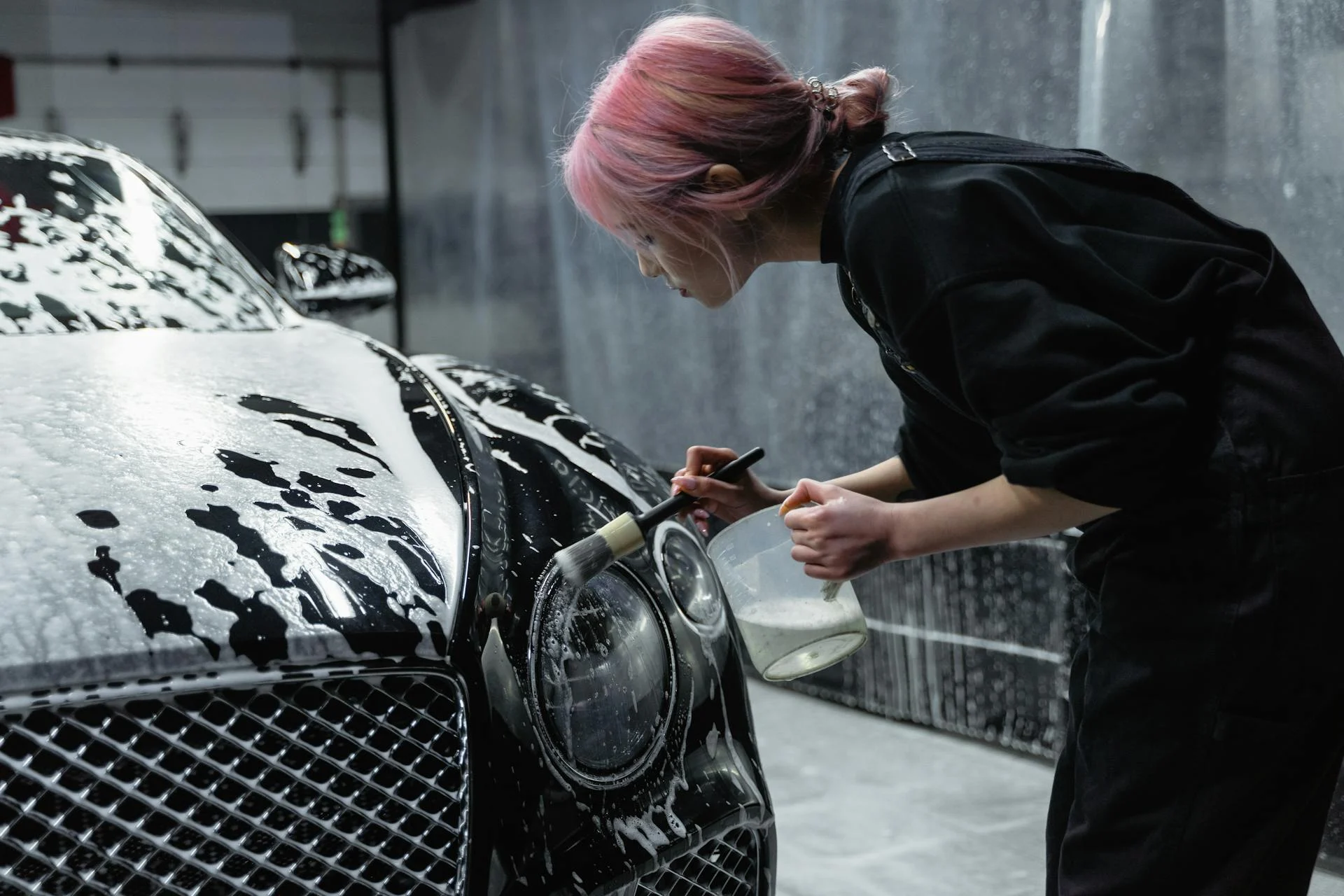
A complete guide to paint protection film training begins with understanding that proper PPF installation isn’t just about theory. It’s about mastering real-world skills. PPF training is a hands-on learning experience where you practice applying paint protection film directly on vehicles.
Instead of relying on videos or manuals alone, it’s important to get hands-on experience and guidance. This type of training is what ID Protection provides by putting professional-grade film in your hands and teaches you the correct installation techniques through practical, guided experience.
The film itself is a transparent thermoplastic polyurethane material applied to painted surfaces. Installing it requires skill, precision, and product-specific knowledge that goes beyond simple application.
Most professional programs run between 2 and 5 days. You’ll work with authorized trainers who bring real-life experience to the table during this time. These courses cover surface preparation, precision cutting and trimming, tack solution mixing and usage, and tension management.
You’ll also learn how to avoid bubbles, stretch marks, and lift lines. Training providers like 3M, Ceramic Pro, and STEK structure their programs to give you extensive hands-on instruction. You’ll practice on live vehicles, not simulation pieces. The focus stays on developing muscle memory and confidence that translates to paying client jobs.
Programs also teach you how different films behave. To name just one example, you’ll learn how specific brands compare in terms of stretchability, adhesive strength, and long-term durability. This knowledge helps you communicate value to customers and choose the right materials for each project.
Who Needs PPF Training
Car paint protection film installation training serves several audiences. Detailing professionals looking to expand their service offerings make up much of the student base. Adding PPF installation can increase revenue streams and attract higher-end clients.
Career changers and automotive enthusiasts also benefit from structured training. Professional instruction gives you a foundation that self-taught methods can’t match if you’re looking to break into the industry or start your own business.
Shop owners often send entire crews through training programs, in addition to individual installers. This creates consistency across installations and reduces the risk of costly errors that damage reputation.
Even experienced installers who’ve worked with wrap films find value in PPF-specific training. Paint protection film installation behaves differently from vinyl wraps. The material’s properties, adhesion requirements, and finishing techniques require specialized knowledge.
Training vs Self-Learning
YouTube tutorials might seem like a budget-friendly alternative, but PPF installation isn’t something you can master from online videos alone. Clean installs require technique, repetition, and professional guidance that pre-recorded content can’t provide.
Hands-on training addresses skills that online courses miss. Controlling film stretch and tension, adapting to complex curves and body panels, and mastering precision cutting around edges and trims all require physical practice. Managing real-life obstacles like dust and temperature demands the same.
Students who attempt self-learning often hit walls once they start working on client vehicles. Film lifting or shrinking due to improper stretch techniques becomes a problem. Trapped air bubbles affect clarity and longevity. Crooked cuts expose paint edges, and wasted material costs from poor handling become expensive lessons.
In-person training eliminates these early mistakes. You receive immediate feedback from experienced instructors. Trainers show you how to correct an error on the spot when you make one, rather than discovering the problem days later when a customer complains.
Professional programs also provide ongoing support after you complete the course. Trainers remain available to offer guidance if you encounter an issue in the field. This safety net proves valuable as you build your skills and take on more challenging projects.
The investment in professional paint protection film installation training pays off through reduced material waste and fewer comeback jobs. You’ll also gain the confidence to charge premium rates for quality work.
Why Professional Paint Protection Film Installation Training Matters
Skipping professional training might save money upfront, but the hidden costs pile up fast. Installers who learn on the fly face a steep learning curve filled with expensive mistakes and unhappy clients.
Common Mistakes Without Proper Training
Surface preparation sits at the top of the failure list. Many beginners think a quick wipe-down covers it, but microscopic dirt, oils, and contaminants will show up under the film like warning signs. Cleaned surfaces can reduce installation defects by as much as 50%.
Film misalignment creates another headache. Even slight positioning errors leave gaps that expose painted areas to damage. Repositioning becomes a nightmare once the adhesive starts grabbing. Installers without training often peel and reposition multiple times and damage the film in the process.
Bubbles and wrinkles plague untrained installers. Air trapped between the film and the vehicle surface compromises both appearance and protection. These issues stem from improper squeegee techniques or uneven stretching during application.
Heat application becomes your ally here, but you need hands-on instruction to know when and how much to use. Environmental control separates amateur installations from professional work.
PPF reacts to temperature and humidity. Installation areas should maintain 18 to 24°C with less than 60% humidity whenever possible. Film becomes rigid and difficult to work with when it’s too cold. The adhesive activates too soon when it’s too hot.
Reports indicate that 18% of experts identify incorrect temperature control as a frequent application problem. Overstretching destroys film integrity. Installers forcing material into tight curves create stress points that fail over time.
The film tells you when it’s stretched enough by lying flat. Push that point, and you’ll see distortion or orange peel effects. Cutting mistakes affect both appearance and longevity. About 30% of installers report that using dull blades substantially affects their work quality. Poor trimming leads to peeling edges or unprotected areas.
Cost of Errors and Material Waste
Material costs add up fast when mistakes happen. PPF isn’t cheap, and botched installations mean throwing money in the trash. Untrained installers struggle with alignment, contamination, and overstretching. Each error wastes expensive film that eats into profit margins.
Time represents another financial drain. Fixing mistakes takes longer than doing the job right the first time. Redoing installations means lost productivity and delayed customer vehicles. Shop owners can’t schedule new jobs when teams are stuck correcting previous work.
Warranty claims hit your bottom line hard. Poor installations lead to film lifting, bubbling, or premature failure. Customers expect free replacements under warranty, which means paying for materials and labor twice on the same vehicle.
Customer acquisition costs skyrocket after bad installations. Word spreads fast in automotive communities. One botched job can cost you multiple future clients who heard about the experience through reviews or social media.
Building Customer Trust and Reputation
Certification carries weight with informed buyers. Customers research services before committing, especially for premium offerings like paint protection film installation. Showing them professional credentials gives peace of mind that you know what you’re doing.
Trained installers command premium rates because their skills justify higher pricing. Professional paint protection film installation training provides tools and confidence to charge what you’re worth. Customers pay more for quality work backed by recognized certifications.
Winning dealership and fleet contracts requires proof of expertise. These high-value accounts won’t risk their inventory on unproven installers. Certification demonstrates you’ve received structured training and take your craft seriously.
Business knowledge matters as much as installation skill. Some programs teach pricing strategies, marketing approaches, and inventory management. This education helps you succeed beyond just technical ability.
Your team’s training level shows in every interaction. Customers notice when staff can explain PPF benefits with confidence, demonstrate techniques, and answer detailed questions. That expertise converts hesitant prospects into paying clients who refer others to your shop.
Then, professional training creates a foundation for long-term business growth. You’ll reduce costly mistakes, build client confidence, and establish yourself as a trusted expert in car paint protection film installation.
Types of PPF Installation Training Programs
Training programs come in multiple formats. Each serves different experience levels and career goals. Selecting the right one depends on where you currently stand and what type of PPF installation work you plan to tackle.
Beginner-Level PPF Training Courses
Entry-level programs run between 2 and 5 days and require zero prior experience. Avery Dennison offers a 2-day wet-apply PPF training course priced at USD 1399. The course has application tools and a 60-foot roll of Supreme Defense Gloss film.
Ceramic Pro structures its beginner program across 3 days. It covers simple concepts, tips and tricks, installation on multiple surfaces, and plotter usage. Most beginner courses follow a similar pattern. Day one focuses on product fundamentals, surface preparation, and simple application on flat panels like hoods and fenders.
Students learn slip solution mixing, squeegee techniques, and how to position film correctly. Day two advances into pre-cut kit installation and common mistakes. Students get hands-on practice with cutting software and plotters.
SunTek provides a 3-day paint protection film installation training course. It teaches pre-cut installation, introduction to bulk roll film, product care and maintenance, and pattern cutting software. STEK runs multi-day immersive courses at its factory installation center.
Students get hands-on lessons from lead factory installers plus a simple tool kit, lunch, and dinner. Some providers offer shorter options. Interwest runs a 1-day PPF training class.
It covers prepping, solution mixture ratios, and simple installation fundamentals for a USD 200 deposit applied as stocking credit. Most professionals recommend longer programs for better skill retention, though.
Intermediate and Advanced Training
Advanced programs target experienced installers ready to refine their craft. XPEL’s COLOR Paint Protection Film course requires a minimum of 1 year of experience installing XPEL clear or matte PPF using pre-cut kits.
This 3-day advanced program builds skills for full color conversions. It covers DAP pattern modifications, film preparation, heating practices, in-lays, precision edge wrapping, and trimming techniques specific to colored films.
XPEL also offers advanced courses in ceramic coating, marine film application, and windshield protection film. Each addresses specific challenges and certifies installers in their respective products.
These courses begin with an assessment of current abilities before focusing on troubleshooting and refinement, according to their program structure. Interwest provides a 1-day advanced course for USD 695.
The course is for current 3M PPF installers with professional experience only. They also run a 2-day advanced program at USD 3500. It addresses installation efficiency, speed, full-vehicle coverage, custom bulk installation, and defect minimization.
3M Paint Protection Film Advanced Training concentrates on bulk roll installation for hoods, bumpers, and common body panels. Students learn stretching, wrapping, and trimming techniques. This 1-day hands-on class serves installers with field experience looking to raise their capabilities.
Specialized Training (Bulk Film, Complex Curves)
Bulk installation represents a specialized skill set. It demands dedicated instruction. Ceramic Pro’s 3-day course has bulk install training on fenders, hoods, and other large panels. Students learn how to anchor film, manage stretch ratios, and execute precision trimming without pre-cut patterns.
Complex curve training addresses the trickiest aspects of car paint protection film installation. Intermediate programs head deep into application techniques for hoods, bumpers, and fenders, where body panel contours create challenges.
Students practice reading curves, setting tack points, and achieving seamless finishes on difficult areas like mirrors and door handles.
Online vs In-Person Training Options
Online PPF training offers convenience but falls short on practical skill development. Paint protection film installation remains a hands-on trade that requires nowhere near just theoretical knowledge.
Skills like controlling film stretch and tension, adapting to complex curves, mastering precision cutting, and managing environmental challenges cannot be developed through screen-based learning fully.
Students who attempt online-only training encounter problems once they work on client vehicles. Films lifting from improper stretch techniques, trapped air bubbles, crooked cuts, and wasted material costs become expensive lessons.
Professional paint protection film installation training done in person eliminates these early mistakes through immediate instructor feedback. Most successful programs dedicate 80% of class time to hands-on practice.
Students get live demonstrations and real-life applications. They work on vehicles from day one and develop the muscle memory and confidence needed for paying jobs. This approach prepares graduates to take on customers without costly failures that damage reputation right away.
Conclusion
You now have everything to make an informed decision about PPF training. Professional instruction eliminates mistakes that get pricey, and that self-learning cannot avoid. Beginner programs and advanced certifications exist for every skill level and budget.
The investment pays off through reduced material waste and premium pricing power. Certification opens doors to dealership contracts and high-value clients who just need proven expertise.
Pick a program that matches your current abilities and career goals. Get hands-on practice from experienced instructors. Build your skills from day one, and you’ll command the rates your quality work deserves. Your reputation depends on it.