In the age of big data, companies are obsessed with tracking every conceivable metric. We monitor website clicks, track supply chain logistics in real time, and analyze customer sentiment using natural language processing. But there remains a huge blind spot in the physical world. This is what data scientists call “dark data” – information resources that organizations collect, process, and store in the course of normal business operations but don’t typically use for other purposes.
For decades, video surveillance has been a major source of this dark data. Millions of terabytes of footage are recorded every day, stored on hard drives for 30 days, and then overwritten and reviewed only when a crime occurs. This “record and forget” mentality is a relic of the analog era.
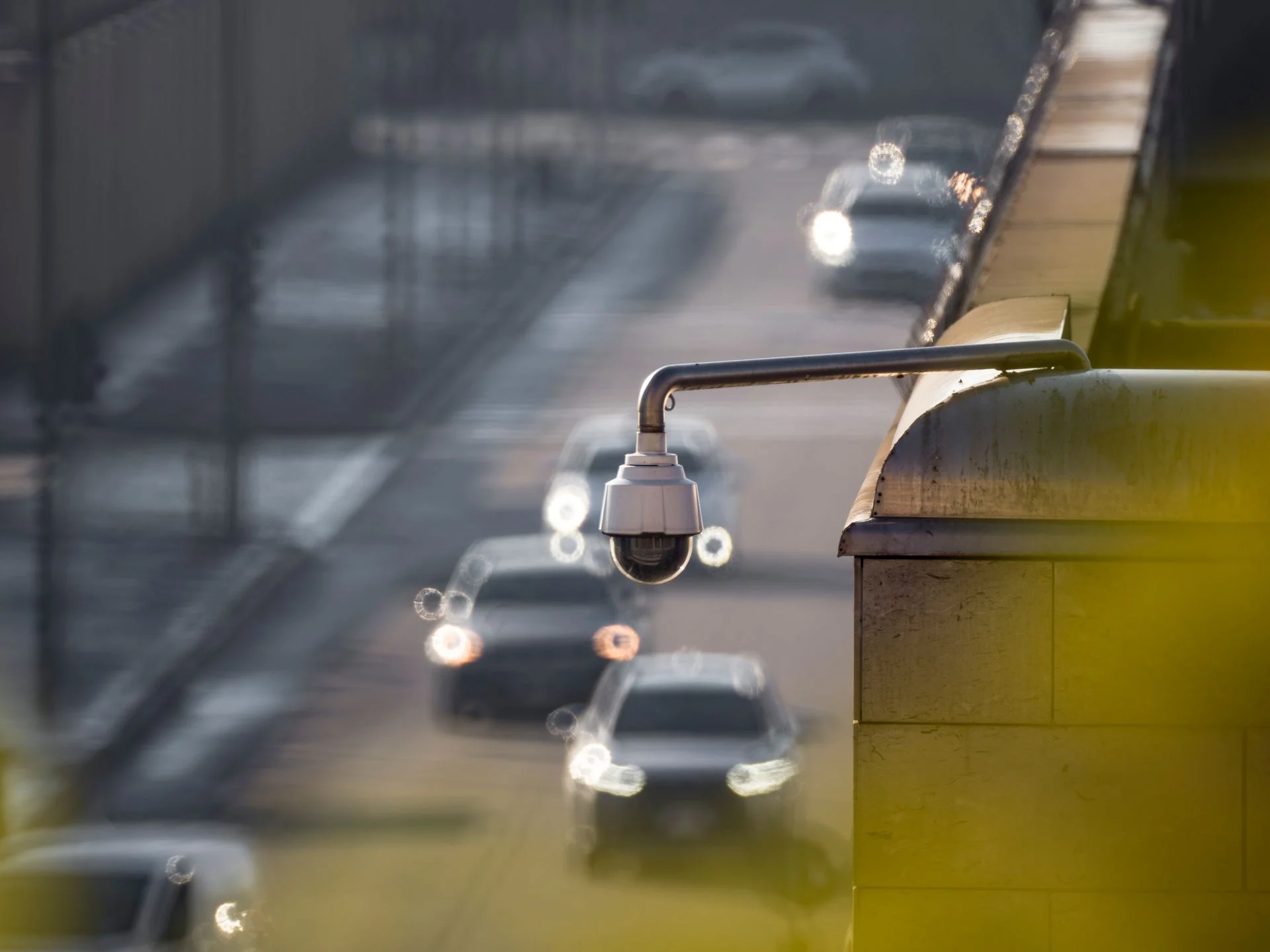
However, a paradigm shift is underway. Forward-thinking technology leaders and innovators understand that a camera is not just a security device; it is a high-quality image sensor capable of capturing structured data about the physical world. By combining artificial intelligence (AI) with cloud-based video surveillance, companies are turning these passive streams into active, analytical resources. The era of mere surveillance is over; the era of analysis has begun.
The Hardware Anchor: Why Legacy Systems Fail
To understand the need for this change, we must first address the limitations inherent in traditional infrastructure. The outdated model relies heavily on local network video recorders (NVRs) or digital video recorders (DVRs). These “black boxes,” located in server rooms or administrative offices, are an important technological pillar.
The main limitation of outdated equipment is clear: it is limited. An NVR has a fixed processing power and storage capacity. It is designed to receive video streams and record them to disk – nothing more. In today’s technology landscape, that’s not enough. Today’s business environment demands flexibility and scalability – two qualities that local hardware sorely lacks.
Furthermore, implementing advanced analytics on local hardware is logistically and financially impossible for most companies. Running complex computer vision algorithms, such as behavior analysis or real-time anomaly detection, requires significant graphics processing unit (GPU) computing power. Upgrading the physical NVR fleet to handle artificial intelligence workloads is a capital expenditure nightmare. As a result, companies using outdated systems are left with non-functional terminals that cannot be upgraded, making them obsolete in a market that demands smart, data-driven decision-making.
The “Brain” of the Operation: Software and the Cloud
The solution to the hardware bottleneck is to decouple processing power from the local site. This is where modern video surveillance software is changing the industry. By moving the heavy lifting to the cloud, companies gain access to virtually unlimited computing resources. The camera becomes just the “eye,” and the cloud becomes the “brain.”
In this ecosystem, the software not only records pixels, but also interprets them. Advanced algorithms can now analyze video streams to extract metadata – information about what is happening in the frame. This opens up possibilities that were previously the stuff of science fiction:
- Operational Efficiency: In retail, heat mapping can determine high-traffic zones, allowing managers to optimize store layouts.
- Safety Compliance: In manufacturing, AI can detect if workers are wearing hard hats or high-visibility vests and alert supervisors of safety breaches in real-time.
- Customer Experience: Queue management algorithms can notify staff to open new registers when wait times exceed a specific threshold.
This is the essence of cloud managed video surveillance. It moves the value proposition from “who stole the laptop?” to “how can we run our business better?” It centralizes the management of data flows, allowing a CTO to manage security and business intelligence across fifty global locations from a single dashboard, rather than managing fifty disparate local networks.
Security, Redundancy, and Data Integrity
For skeptical CTOs, transferring sensitive video data to the cloud raises security concerns. Ironically, switching to cloud storage for video surveillance cameras often increases an organization’s security level rather than reducing it.
On-site stored footage is physically vulnerable. If a malicious person breaks into a facility, the video recording device (NVR) is often the first thing to be stolen or destroyed in order to eliminate evidence. Furthermore, hard drives fail 100% of the time given enough time; without strict, manual RAID management, data loss is inevitable.
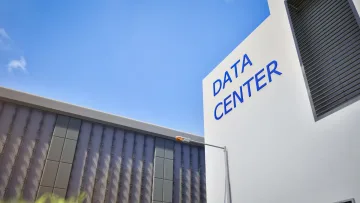
Cloud storage reduces this physical risk through redundancy and encryption. In a cloud architecture, video data is encrypted during transmission and storage. It is stored across multiple geographic nodes, ensuring that hardware failure at one data center does not result in data loss for the user. This level of data availability and integrity (A and I in the CIA security triad) is difficult and expensive to replicate in on-premises infrastructure. By leveraging the cloud, companies ensure that their video data is immutable and accessible, regardless of what happens to the physical equipment on site.
Democratizing AI: The Camlocus Solution
A common misconception among business owners is that accessing this level of intelligence requires a “rip and replace” strategy – tearing out existing cameras to install expensive, AI-enabled IoT devices. This barrier to entry often stalls digital transformation efforts.
This is where platforms like Camlocus serve as a critical bridge. Camlocus operates on the philosophy that intelligence should reside in the software, not necessarily the hardware. The platform democratizes access to high-end surveillance analytics by connecting standard, existing IP cameras to the cloud.
Instead of investing thousands in new hardware, businesses can utilize Camlocus to inject intelligence into their current infrastructure. The platform acts as a translation layer, taking the feed from a standard security camera and processing it through cloud-based neural networks. This allows a five-year-old security camera to suddenly perform like a cutting-edge business intelligence tool, offering features like motion detection, cloud archiving, and remote accessibility.
For entrepreneurs and IT managers, this represents the ideal SaaS model: low upfront risk, scalable monthly costs, and immediate access to features that were previously accessible only to Fortune 500 companies with massive security budgets.
Conclusion
The trajectory of technology is clear: everything that can become data, will become data. Video surveillance is no longer exempt from this rule. The days of grainy, passive footage sitting in a dark room are numbered.
For modern businesses, the camera lens is the ultimate sensor, and the cloud is the ultimate processor. By transitioning to cloud-based architectures, organizations are not just upgrading their security; they are unlocking a rich stream of business intelligence that has been ignored for too long. Whether through optimizing operations, ensuring safety, or simply securing assets with greater reliability, the future belongs to those who see the full picture.
Platforms like Camlocus are making this transition seamless, proving that you don’t need new eyes to see the world differently – you just need a smarter brain behind them.