
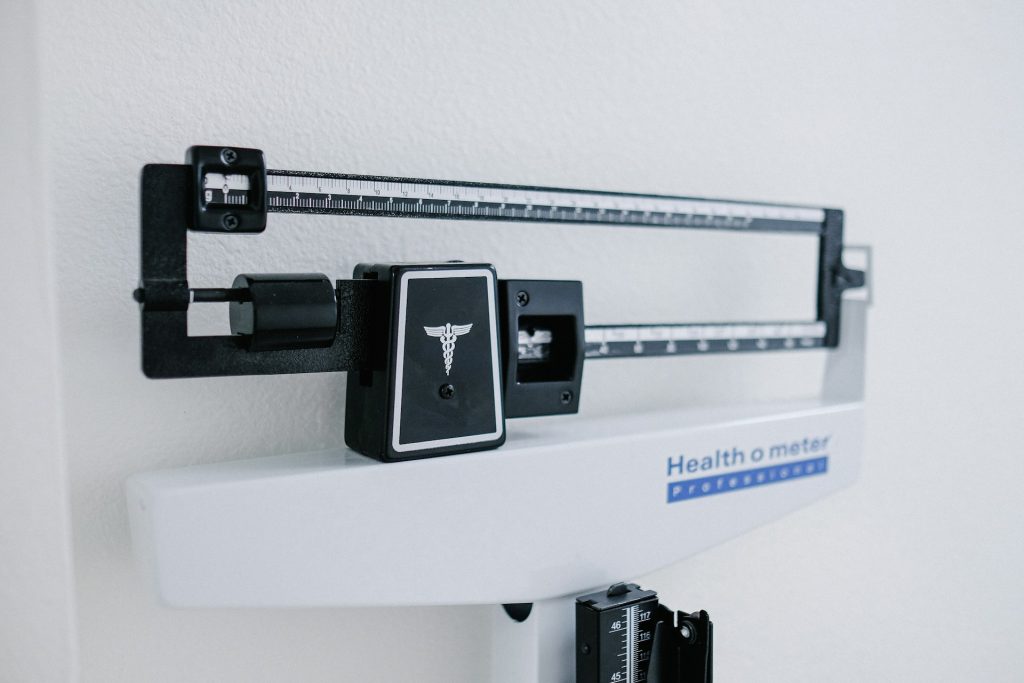
Selecting suitable weighing equipment is critical for any business involved in manufacturing, shipping, or retailing.
The right scales guarantee accurate measurements, which can influence your business’s operational efficiency, compliance, and customer satisfaction.
This guide will help you navigate the various types of weighing equipment, their features, and how to choose the best options for your needs.
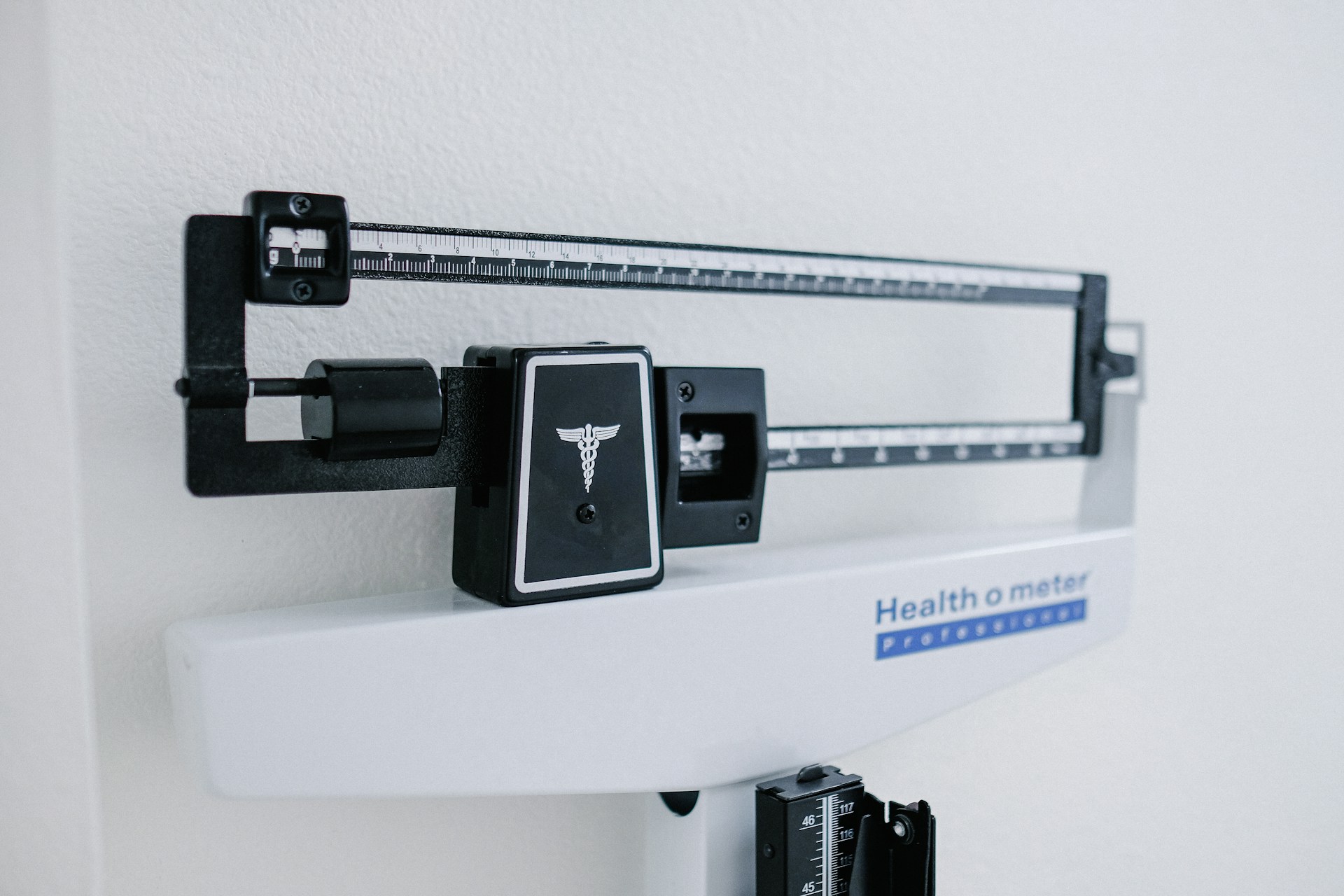
Understanding the Different Types of Weighing Equipment
Weighing equipment comes in various forms, each designed to meet specific business needs. Common types include bench scales, floor scales, and portable scales. Bench scales handle moderate loads and work well for small businesses and laboratories.
Floor scales are ideal for heavier items and larger operations, often measuring weights over 1,000 pounds. Portable scales offer flexibility, allowing businesses to weigh items in different locations.
Each type serves unique functions, so assessing your operational requirements is critical before deciding. A company handling heavy machinery components may need robust floor scales, and a food vendor might opt for a compact bench scale for efficiency.
Business Needs and Industry Standards
Before investing in weighing equipment, think about your specific needs and industry standards. Food and pharmaceutical industries have strict regulations governing accuracy and calibration, meaning you require equipment compliant with local and international standards.
The need for precision may call for higher-end digital scales with advanced functionality. Understanding your operational workflow is critical as well.
For businesses that handle heavy weights regularly, a durable scale can minimize maintenance and improve efficiency. Scale professionals from Central Carolina Scale say that it’s critical to evaluate the maximum weight capacity, the scale’s sensitivity, and accuracy to avoid hefty losses due to incorrect measurements. Think about how frequently the scale will be used during daily operations.
Frequent usage may require equipment designed for long-term durability and consistent performance.
Evaluate whether the environment, such as exposure to water, dust, or chemicals, will impact the scale’s longevity.
Choosing equipment that aligns with these conditions helps prevent costly replacements. Taking time to assess these factors guarantees that your investment supports both accuracy and operational reliability.
Assessing Accuracy and Calibration Methods
Accuracy in weighing equipment is non-negotiable; it directly impacts both operational integrity and profitability.
Inaccurate measurements can lead to costly errors when it comes to shipping costs, inventory management, and compliance with regulations. Look for scales that offer excellent resolution and repeatability.
Calibration is a key factor. You can choose between calibrated scales maintained through service contracts or those requiring manual calibration.
Regular calibration is critical for maintaining accuracy in environments with temperature fluctuations or high humidity. guarantee that any equipment you select comes with reliable calibration methods that fit your business operations.
Exploring Digital vs. Analog Weighing Scales
Choosing between digital and analog weighing scales plays a significant role in your efficiency. Digital scales provide more advanced features such as data tracking, connectivity, and easier readability compared to analog scales, which may complicate measurements.
Digital scales typically have inherent accuracy, with built-in calculators and weighing unit conversions.
They often include memory functions for frequent weights, making them suitable for businesses dealing with high volumes. Businesses needing data integration for inventory or shipments often find digital scales more advantageous.
Analog scales can still play a role in certain environments where simplicity and durability matter more than complex functionalities.
Budgeting and Future Investments
Budget deliberations are paramount when selecting weighing equipment. High-quality scales may come with a higher price tag, but they can save costs in the long term through durability and reliability.
Balancing your immediate budget with future needs guides you towards a smart investment.
Think about the initial purchase, maintenance, and potential upgrades down the line.
Investing in versatile or modular weighing equipment might allow for scalability as your business grows. Always account for this flexibility as you plan your budget to guarantee your equipment continues to meet your evolving needs.
Reviewing Vendors and After-Sales Support
Choosing a vendor that provides excellent after-sales support is critical in the weighing equipment journey.
The reliability of your equipment depends equally on the support you receive post-purchase, such as maintenance services, warranties, and training on how to use the equipment effectively.
Research potential vendors thoroughly before making a choice. Customer reviews and testimonials can provide insight into their reputation within the industry.
A strong partnership with a reliable vendor guarantees you have ongoing assistance for your equipment, facilitating necessary repairs or upgrades.
A solid support system improves the value you derive from your investment, keeping your operations smooth and efficient.
Selecting the right weighing equipment is a multi-faceted process that demands careful deliberations of various factors.
Understanding your needs, knowing the types of scales available, and budgeting wisely will lead to a purchase that aligns with your business goals. Make sure to seek knowledgeable vendors who will provide continued support as you grow.

A dad of 3 kids and a keen writer covering a range of topics such as Internet marketing, SEO and more! When not writing, he’s found behind a drum kit.










