Email is how we get things done, but let’s be real, it’s not always the most secure. We’ve all gotten those weird emails, right? Turns out, blockchain might have some answers. This guide looks at how using blockchain for email support can make things safer and more reliable. We’ll cover what blockchain does for email, how to set it up, and what to watch out for. It’s all about making your email communication more trustworthy.
Key Takeaways
- Blockchain can make email more secure by using things like decentralization and cryptography to stop tampering and fake sender information.
- Using public and private keys helps verify who is sending emails and keeps access secure, adding a strong layer of protection.
- Features like proof of delivery and read receipts, managed by blockchain, offer clear confirmation that messages have been sent and received.
- Challenges such as making blockchain work with lots of emails (scalability) and getting people to use new systems need careful planning and user education.
- Building a good blockchain support team involves finding people with the right skills, training them well, and sometimes working with outside experts to handle technical and compliance issues.
Understanding Blockchain Support Email Essentials

Email is how we get things done these days, right? But let’s be honest, it’s not always the most secure or trustworthy way to communicate. That’s where blockchain comes into the picture. Think of blockchain as a super secure, shared digital ledger. It’s built on a network of computers, making it really hard for anyone to mess with the information once it’s there. This technology is starting to change how we think about email, especially when it comes to keeping things safe and making sure messages are what they seem.
Blockchain offers a new way to make email more reliable. Because it’s decentralized, no single person or company controls it, which helps prevent single points of failure or manipulation. The information recorded on a blockchain is also immutable, meaning it can’t be changed or deleted after the fact. This is a big deal for email, where messages can sometimes be altered or faked.
We all know the headaches that come with email security. Phishing scams try to trick you into giving up personal info, and spoofing makes it look like an email is from someone it’s not. Then there’s the worry that someone might change the content of an email after it’s sent, which could lead to all sorts of problems, from financial fraud to damaged reputations. These are serious issues that cost businesses a lot of money and compromise personal data.
Key Blockchain Concepts for Secure Communication
To get how blockchain helps email, you need to know a few things. First, decentralization means no single point of control, making the system more resilient. Second, immutability means once data is on the chain, it’s there for good, creating a permanent record. Finally, cryptographic hashing is like a digital fingerprint for data; any tiny change creates a completely different fingerprint, making it easy to spot tampering. These concepts work together to build a more secure communication channel.
Here’s a quick look at how these concepts apply:
- Decentralization: Information is spread across many computers, not stored in one place.
- Immutability: Once a record is added, it cannot be altered or deleted.
- Cryptography: Uses complex math to secure data and verify identities.
Blockchain technology provides a robust framework for securing digital communications, addressing long-standing vulnerabilities in traditional email systems. Its inherent properties of transparency and tamper-resistance are particularly well-suited for applications requiring high levels of trust and data integrity.
Decentralization and Immutability in Email
When we talk about decentralization in email, it means that the systems managing your emails aren’t all controlled by one company. Instead, they might be spread across a network. This makes it much harder for hackers to take down or corrupt your email service. Immutability, on the other hand, means that once an email’s record is added to the blockchain, it’s a permanent, unchangeable entry. This is great for creating verifiable logs of when emails were sent and received, offering a level of certainty that standard email lacks.
Smart Contracts for Authentication and Verification
Smart contracts are like automated agreements written in code that live on the blockchain. For email, they can be used to automatically check if a sender is who they claim to be. Imagine getting an email, and a smart contract instantly verifies the sender’s digital signature against a public record. This significantly cuts down on the chances of falling for fake emails or phishing attempts. It’s a way to add a layer of trust to every message.
Cryptographic Hashing for Data Integrity
Cryptographic hashing is a process that takes any piece of data and turns it into a unique, fixed-size string of characters – its hash. If even one letter in the original data changes, the hash changes completely. In the context of email support, hashing can be used to create a unique fingerprint for each email. This fingerprint can be stored on the blockchain. If anyone tries to alter the email later, the new hash won’t match the original one stored on the blockchain, immediately showing that the message has been tampered with. This is key for maintaining the integrity of important communications.
Leveraging Blockchain for Effective Email Support
Email is a cornerstone of modern communication, but it’s often plagued by issues like phishing, spoofing, and data tampering. Blockchain technology offers a way to make email more secure and trustworthy. By using its unique features, we can build more reliable email systems.
Decentralization and Immutability in Email
Think of a blockchain as a shared digital ledger that’s spread across many computers. This makes it really hard for anyone to change or delete information once it’s there. When applied to email, this means that records of your messages, like when they were sent or received, can be stored in a way that’s tamper-proof. This immutability is key to preventing fraud and ensuring the integrity of your communications. Instead of relying on a single server that could be compromised, the information is distributed, making it much more resilient.
Smart Contracts for Authentication and Verification
Smart contracts are like automated agreements written in code that live on the blockchain. They can be programmed to perform specific actions when certain conditions are met. For email support, this means we can use smart contracts to automatically verify who is sending an email and who is receiving it. This helps cut down on fake emails and ensures that you’re communicating with the right person. For example, a smart contract could check if a sender’s digital signature matches their known public key before an email is even delivered, adding a strong layer of security. This is a big step up from current methods that are often easy to fake.
Cryptographic Hashing for Data Integrity
Every piece of data on a blockchain is secured using cryptographic hashing. This process takes information and turns it into a unique, fixed-size string of characters, like a digital fingerprint. If even a tiny part of the original data is changed, the fingerprint changes completely. In email, this means we can create a unique hash for each email or message thread. This hash is then recorded on the blockchain. If anyone tries to alter the email later, the hash won’t match, and the tampering will be immediately obvious. This provides a verifiable way to confirm that the email content you received is exactly what was originally sent, which is vital for secure e-commerce growth.
The core idea is to move away from centralized points of failure and introduce a system where trust is built into the technology itself, rather than relying on intermediaries.
Here’s how these elements work together:
- Sender Verification: Public keys associated with email addresses on the blockchain can confirm sender identity.
- Delivery Confirmation: Blockchain can provide a verifiable record that an email was sent and received.
- Content Integrity: Cryptographic hashes ensure that email content hasn’t been altered since it was sent.
These features collectively build a more secure and transparent email support system, reducing risks and increasing confidence in digital exchanges.
Implementing Blockchain-Based Email Support Solutions
Moving towards blockchain-based email support means setting up systems that use its unique features for better security and reliability. This involves understanding how to use the core components of blockchain technology to build these solutions.
Public and Private Keys for Secure Access
At the heart of blockchain security are public and private keys. Think of your public key like your email address – it’s how others can send you encrypted messages. Your private key, however, is like your password; it’s what you use to decrypt messages sent to you and to sign your own outgoing messages, proving they came from you. This key pair system is fundamental for verifying identity and securing communications. When you’re setting up a blockchain-based email system, managing these keys properly is the first step to ensuring secure access and preventing unauthorized use.
Email Authentication and Sender Verification
One of the biggest headaches with email is knowing if the sender is who they say they are. Blockchain can help fix this. By using public keys associated with email addresses on the blockchain, recipients can check if an incoming email was genuinely signed by the claimed sender’s private key. This makes it much harder for phishers and spammers to impersonitate others. It’s like having a digital notary for every email.
Here’s a simplified look at how it works:
- Sender’s Action: Signs the email with their private key.
- Recipient’s System: Uses the sender’s public key (available on the blockchain) to verify the signature.
- Outcome: If the signature matches, the email is confirmed as authentic.
This process adds a strong layer of trust to email exchanges, which is a big deal for businesses that rely on secure communication. For more on IT infrastructure, you might find this IT checklist helpful for growing companies.
Proof of Delivery and Read Receipts
Ever sent an important email and wondered if it actually arrived, or if it was read? Blockchain can provide verifiable proof for both. When an email is sent and received, this event can be recorded on the blockchain. Similarly, when a recipient opens an email, that action can also be logged. This creates an immutable record that can be accessed if there’s ever a dispute about delivery or acknowledgment. It moves beyond simple ‘read receipts’ that can be ignored or faked, offering a more robust and trustworthy confirmation.
Implementing these features requires careful planning. It’s not just about the technology itself, but also about how users will interact with it. Making the process intuitive is key to adoption.
This approach transforms email from a sometimes unreliable messaging system into a more accountable communication channel, which is a significant step forward for digital interactions.
Navigating Challenges in Blockchain Email Support
While blockchain offers exciting possibilities for email security and support, it’s not without its hurdles. Getting these systems to work smoothly in the real world involves tackling a few key areas. We need to think about how many people can use it at once, how we get everyone on board, and how it plays nice with the systems we already have.
Addressing Scalability in Blockchain Networks
One of the big questions with any blockchain project is how well it can handle a lot of activity. Imagine millions of emails being sent and verified every second. Some blockchain networks can get bogged down when too many transactions happen at once, leading to slower response times. This is like a highway during rush hour – everything slows to a crawl.
- Transaction Throughput: How many emails can the system process per second?
- Latency: How long does it take for an email to be confirmed or a receipt to be registered?
- Network Congestion: What happens when demand spikes, and how does the system cope?
Finding solutions that keep things fast and reliable, even under heavy load, is key for widespread adoption. This might involve using newer blockchain designs or layer-two solutions that handle transactions off the main chain.
The goal is to build a system that feels as responsive as traditional email, even with the added security layers of blockchain.
Strategies for User Adoption and Education
Let’s be honest, blockchain can sound complicated. For many people, the idea of public and private keys, or how a decentralized ledger works, is new territory. Getting people to switch to a new email support system means making it easy to understand and use.
- Clear Onboarding: Simple, step-by-step guides for setting up accounts and understanding security features.
- Intuitive Interfaces: Designing applications that look and feel familiar, minimizing the learning curve.
- Educational Resources: Providing accessible articles, videos, and FAQs that explain the benefits and how-tos without overwhelming users.
We need to show people why this is better and how it benefits them directly, rather than just focusing on the underlying technology.
Ensuring Interoperability with Existing Systems
Most businesses and individuals don’t operate in a vacuum. They have existing email clients, customer relationship management (CRM) tools, and other software they rely on. A new blockchain-based email support system needs to be able to connect with these existing tools.
- API Development: Creating application programming interfaces that allow different systems to communicate.
- Standard Protocols: Adhering to industry standards where possible to simplify integration.
- Migration Paths: Offering ways for users to move their existing data or contacts into the new system smoothly.
If the new system can’t talk to the old ones, it creates more work and friction, which is the opposite of what effective support should do. Making sure these systems can work together is a big part of making blockchain email support a practical reality.
Building and Maintaining Your Blockchain Support Team
Setting up and keeping a blockchain support system running smoothly means you need the right people. It’s not just about having a few tech folks; it’s about assembling a team with a mix of skills that can handle the unique demands of blockchain technology. Think of it like building a specialized crew for a complex project.
Essential Roles and Skills for Blockchain Support
A well-rounded team needs individuals who understand both the technical side of blockchain and how to help users. Here are some key roles:
- Blockchain Developer: These are the builders. They need to know languages like Solidity or Go and be familiar with platforms like Ethereum or Hyperledger. They’re responsible for creating and managing smart contracts and the core blockchain logic.
- DevOps Engineer: This role bridges development and operations. They manage the infrastructure, automate processes, and make sure the blockchain network runs efficiently, often using tools like Docker and Kubernetes.
- Security Analyst: With security being paramount in blockchain, this person is vital. They’ll audit the system, find weak spots, and help prevent breaches.
- System Administrator: They keep the servers and network infrastructure in good shape, monitoring performance and uptime.
- Support Specialist: This is your frontline. They need strong communication skills to help users with their questions and problems, coupled with a solid grasp of blockchain concepts.
- Data Analyst: As blockchain generates a lot of data, this role helps make sense of it, spotting trends and providing insights.
Building a team with diverse skills is key. You want people who can not only fix problems but also anticipate them and contribute to the system’s growth.
Training and Upskilling Your Team
Blockchain technology changes fast, so your team needs to keep learning. Continuous training isn’t just a nice-to-have; it’s a must.
- Foundational Knowledge: Start with the basics. Ensure everyone understands blockchain architecture, consensus mechanisms, and smart contracts. Online courses and workshops are great for this.
- Hands-On Practice: Theory is one thing, but practical experience is another. Encourage team members to work on development projects or use sandbox environments to experiment.
- Staying Current: Subscribe to industry news, attend webinars, and participate in conferences. Create opportunities for team members to share what they learn.
- Specialized Training: Depending on their role, team members might need specific training in areas like cryptography, smart contract auditing, or advanced security protocols.
Collaborating with External Blockchain Experts
Sometimes, you’ll need help from outside. This could be for specific projects, audits, or to get advice on complex issues. Working with external experts can bring fresh perspectives and specialized knowledge that your internal team might not have. It’s about knowing when to bring in outside help to fill gaps and speed up progress. This collaboration can also be a great way to learn and upskill your own team members by working alongside seasoned professionals.
Compliance and Ethical Considerations in Blockchain Support
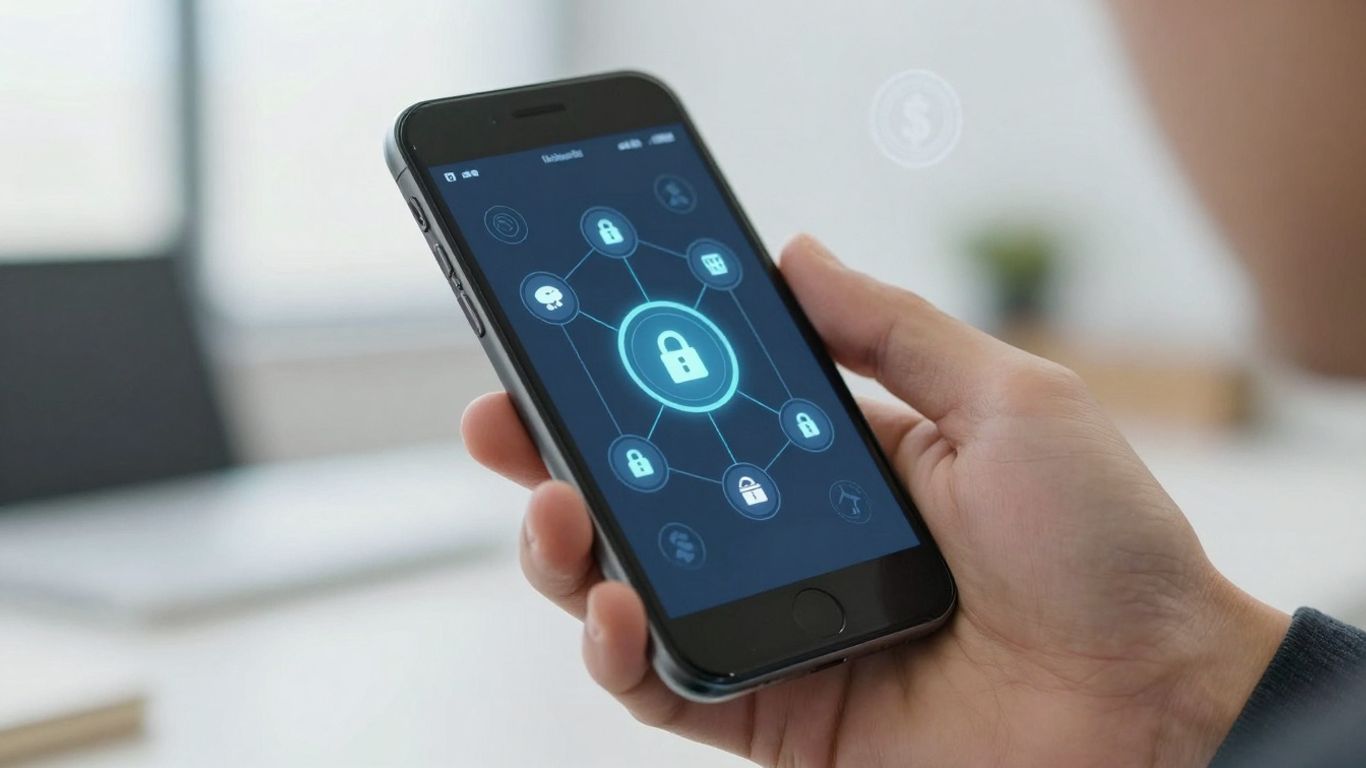
When we talk about blockchain support, it’s not just about fixing technical glitches. We also have to think about the rules and what’s right. This means understanding the laws that apply to blockchain technology and making sure our support practices are fair and honest. It’s a bit like making sure your online store follows all the shipping regulations and treats customers well – you need to know the rules of the road.
Understanding Regulatory Frameworks for Blockchain
Governments around the world are still figuring out how to regulate blockchain. This means laws can change, and they often differ from one country to another. For blockchain support, this is important because you might be dealing with users or systems in different places. You need to be aware of things like data protection laws, rules about digital money (like anti-money laundering or AML), and how certain digital assets are treated legally. Staying updated on these regulations is key to avoiding problems. It’s a good idea to keep an eye on updates from government bodies and industry groups.
Staying informed about blockchain compliance regulations is vital. With rules varying across jurisdictions, understanding their impact on your operations is essential.
Here are some key areas to keep in mind:
- Data Protection Laws: Regulations like GDPR (General Data Protection Regulation) affect how personal data is handled, even on a blockchain. You need to know how to manage user data responsibly and respect their privacy rights, such as the right to access or delete their information. This is especially important when dealing with sensitive information, and you might need to implement specific methods to anonymize data or use permissioned blockchains to control access.
- Financial Regulations: If your blockchain support involves any financial transactions or digital assets, you’ll need to comply with financial regulations. This includes Know Your Customer (KYC) procedures to verify user identities and AML rules to prevent illegal financial activities. These steps help build trust and prevent fraud.
- Securities Laws: Depending on the nature of the tokens or digital assets involved, securities laws might apply. Understanding these can prevent legal issues down the line.
Privacy and Data Ownership on the Blockchain
Blockchain is often seen as a way to give users more control over their data, but privacy is still a big concern. While transactions on many blockchains are public, the identity of the participants might be pseudonymous. Effective support means helping users understand who owns their data and how it’s protected. This involves clear communication about data handling practices and providing tools or guidance for users to manage their privacy settings. For instance, if a user requests their data be deleted, you need a process to handle that, even if the data is on an immutable ledger. This might involve cryptographic techniques or careful data management strategies to comply with privacy requests. It’s about balancing the transparent nature of blockchain with individual privacy rights.
Ensuring Accessibility and Inclusivity
Good support should be available to everyone, regardless of their technical background or any disabilities. When providing blockchain support, think about how to make information and assistance accessible. This means using clear, simple language, avoiding overly technical jargon, and providing support through various channels. For example, offering support documentation in different formats or ensuring your communication tools are usable by people with visual impairments is important. The goal is to make sure that everyone can get the help they need with blockchain technology, building a more inclusive digital space. Partnering with legal experts can help clarify obligations and mitigate risks in this complex area [a3d5].
Wrapping Up: Your Path to Better Blockchain Support
So, we’ve walked through how to get good help with blockchain issues, mostly by email. It’s not always straightforward, right? Think of it like trying to fix something complicated – you need the right instructions and someone who actually knows what they’re doing. By being clear about what you need, providing all the details, and knowing who to ask, you can really speed things up. Remember, good support means getting your questions answered and your problems solved without a lot of fuss. Keep these tips in mind, and you’ll be much better equipped to handle any blockchain support you need down the road. It’s all about making the process smoother for everyone involved.
Frequently Asked Questions
What is blockchain, and how can it make emails safer?
Imagine a digital notebook that many people share and agree on. That’s kind of like a blockchain. When information, like an email’s journey, is added to this notebook, it’s put into a ‘block’ and linked to the one before it, creating a ‘chain.’ Because so many people have a copy and agree on what’s in it, it’s super hard for anyone to change or fake things later. This makes emails more trustworthy and harder for bad guys to mess with.
Can blockchain stop me from getting scam emails (phishing)?
Yes, blockchain can help a lot! It can be used to check if an email really came from the person it says it did. Think of it like a digital signature that’s very hard to copy. This makes it much tougher for scammers to pretend they are someone else, which is how most phishing emails work.
What are ‘smart contracts’ in relation to email?
Smart contracts are like automatic agreements written in computer code. For emails, they can be used to automatically check and confirm if the sender and receiver are who they say they are. This happens right on the blockchain, making the process quick and secure without needing a middleman.
How does blockchain prove an email was sent and received?
Blockchain can create a permanent record of when an email is sent and when it’s opened. This record is stored on the shared digital notebook. So, you have solid proof that an email reached its destination and was seen, which is useful for important communications.
Is blockchain email hard for regular people to use?
It can seem a bit confusing at first because it’s new. But companies are working hard to make it as easy as using your regular email. The goal is to have the blockchain security working behind the scenes, so you don’t have to be a tech expert to benefit from safer emails.
Will blockchain email work with my current email service like Gmail or Outlook?
That’s a big question, and right now, it’s a challenge. Making blockchain email work smoothly with all the email systems people already use is something experts are trying to figure out. The idea is to make it compatible so that switching to or using blockchain security doesn’t mean you have to give up your old email address or contacts.