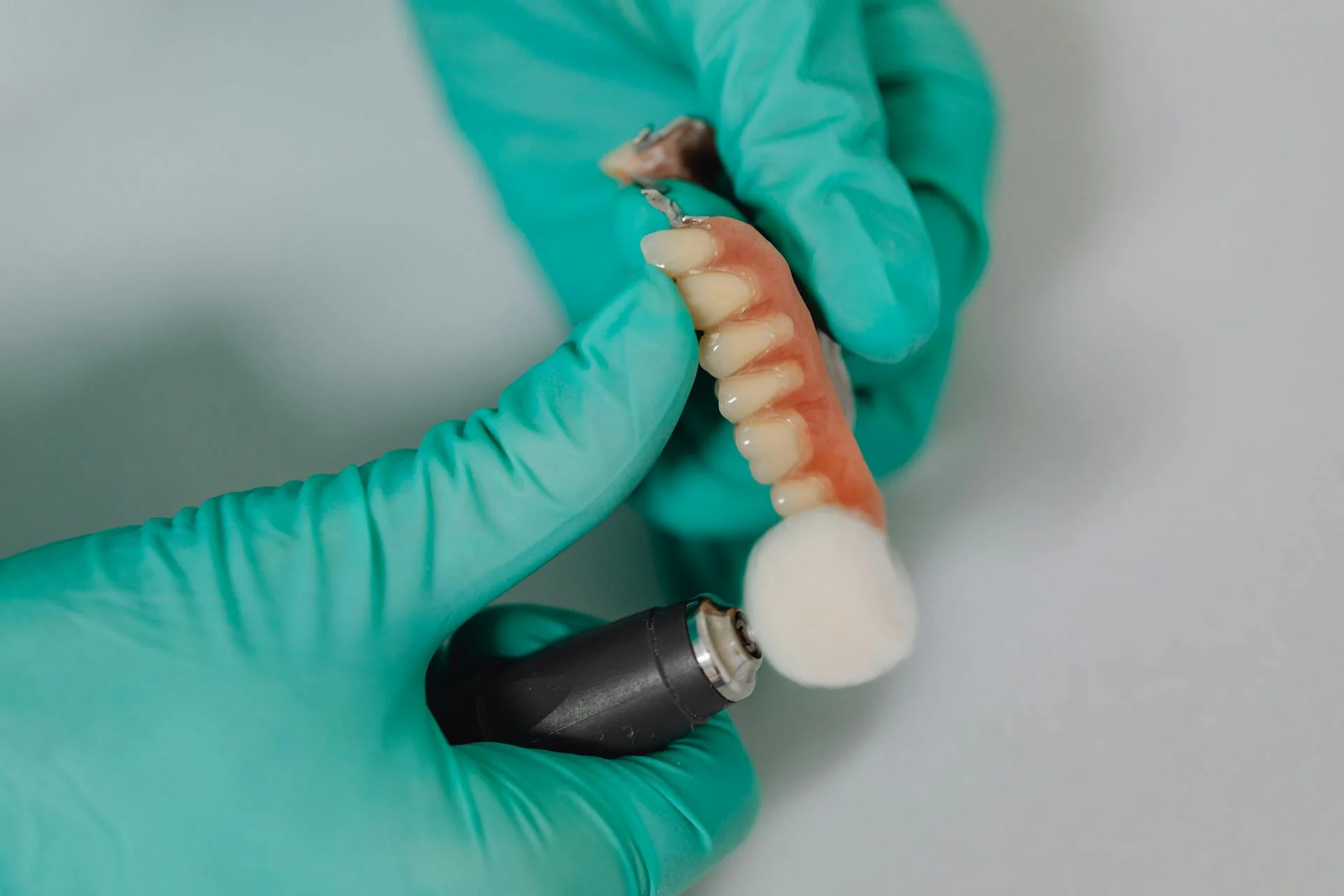
Missing teeth used to mean one thing: compromise. Dentures that slip. Bridges that rely on neighboring teeth. Limited function. That’s changed. Dental implants are now the closest thing to getting your real teeth back, but they come with a higher upfront cost, which makes people hesitate.
Naples Dental and Wellness Center, a modern practice in Naples, Florida, led by Dr. Rodion Pinkhasov, focuses heavily on implant and full-mouth restoration cases. Their experience spans everything from single implants to complex rebuilds, which gives them a clear view of what works long term—and what patients often regret.
So let’s get straight to the question: are dental implants actually worth it?
What You’re Really Paying For
Dental implants are not just “fake teeth.” They replace the root of the tooth, not just the visible part. A titanium post is placed in the jawbone. It bonds with the bone over time, creating a stable foundation for a crown.
That one detail, replacing the root, changes everything.
Traditional options don’t do this:
- Bridges rely on adjacent teeth for support
- Dentures sit on top of the gums
Implants integrate with your body. That’s why they last longer and feel more natural.
According to the American Academy of Implant Dentistry, dental implants have a success rate of about 95–98%, making them one of the most predictable procedures in dentistry.
The Longevity Factor
Here’s where implants start to pull ahead.
Dental implants often last 20 years or more and, in many cases, can last a lifetime with proper care. Bridges typically last 7–15 years before needing replacement. Dentures often require replacement or significant adjustment within 5–10 years.
That difference matters.
“Most patients don’t realize how often traditional work needs to be redone,” says a clinician at Naples Dental and Wellness Center. “We had a patient come in who had replaced the same bridge three times over 18 years. By the time he chose implants, he said, ‘I wish I just did this once and moved on.’”
Redoing dental work is not just inconvenient. It adds up financially and physically. Each replacement can involve more adjustments, more wear on surrounding teeth, and more time in the chair.
Bone Loss: The Hidden Cost of Traditional Options
When you lose a tooth, the bone that supported it starts to shrink. This process begins almost immediately.
Studies show that up to 25% of bone width can be lost within the first year after tooth loss.
Dentures and bridges don’t stop this. They sit above the bone. The body sees no reason to maintain that structure.
Implants do the opposite. They stimulate the bone, just like a natural root.
“We had a patient in his early 60s who wore dentures for years,” shares a provider at Naples Dental and Wellness Center. “His biggest complaint wasn’t just movement—it was how his face looked. The lower third had collapsed slightly. After implant-supported teeth, he kept looking in the mirror and saying, ‘I look like myself again.’”
Bone loss isn’t just cosmetic. It affects facial structure, bite alignment, and long-term oral health.
Implants help prevent that chain reaction.
Daily Life: Where Implants Win Big
Let’s talk about the part patients care about most: everyday life.
Eating changes immediately. Dentures can reduce chewing efficiency by up to 50%. Implants function close to natural teeth. That means steak, apples, nuts—no hesitation.
Speaking becomes more natural. Loose dentures can shift, even slightly, and that affects how words come out. Implants stay fixed in place.
Comfort improves. No adhesives. No sore spots from rubbing. No removing teeth at night.
“One patient told us the turning point was a sandwich,” says a clinician at Naples Dental and Wellness Center. “He bit into it without thinking. No shifting, no hesitation. He stopped mid-bite and laughed because he hadn’t done that in years.”
That’s the difference. It shows up in small, everyday moments.
The Cost Conversation
This is where most people pause.
Dental implants cost more upfront. A single implant can range from $3,000 to $5,000 depending on complexity.
But comparing upfront cost alone misses the bigger picture.
Dentures cost less initially but often need replacement within a decade, along with ongoing adjustments and maintenance. Bridges fall in the middle but still require replacement over time and can affect neighboring teeth.
Implants are designed as a long-term solution. While the initial investment is higher, many patients avoid repeated procedures, additional damage, and ongoing maintenance costs.
“We always tell patients to think in decades, not years,” says a provider at Naples Dental and Wellness Center. “If you’re 45 or 55, you’re not solving a short-term problem. You’re choosing what your life looks like long term.”
Are Implants for Everyone?
Not always—but more people qualify than they think.
Good candidates typically have healthy gums, enough bone to support the implant, and overall good health. Even if bone loss has already occurred, procedures like bone grafting can make implants possible.
Age is not a limiting factor. Planning and health matter more.
When Traditional Options Still Make Sense
To be fair, implants aren’t always the right first move.
Dentures or bridges may be better when budget is limited, when certain medical conditions prevent surgery, or when a temporary solution is needed.
These options still serve a purpose. The key is understanding the trade-offs.
The Verdict
Dental implants are not just another treatment option. They represent a different approach.
They last longer, protect bone, function like natural teeth, and reduce the need for repeated dental work.
Traditional options can solve immediate problems. Implants address the root of the issue.
“If someone is looking for the closest thing to having their real teeth back, this is it,” says a clinician at Naples Dental and Wellness Center. “We see patients go from managing their teeth to forgetting they ever had an issue. That’s when you know it was worth it.”
The Question That Actually Matters
The real question isn’t just “Are implants worth it?”
It’s: what do you want your day-to-day life to feel like five, ten, or twenty years from now?
If the answer includes confidence, comfort, and fewer repeat procedures, implants make a strong case.