Most parents know routines matter. Bedtimes matter. Homework time matters. Brushing teeth before school matters. But small routines do more than keep a household from turning into chaos. They help children build confidence, independence, and emotional stability over time.
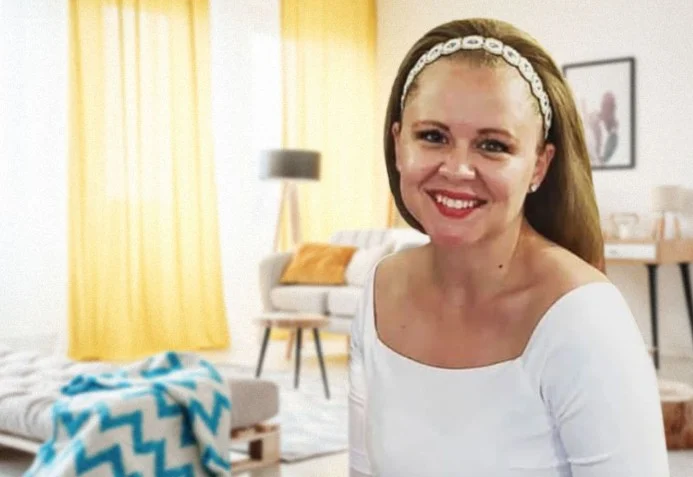
That’s something behavioral analyst Alyssa Ciarrocchi sees every day in her work with children and families.
Based in Camden, New Jersey, Alyssa Ciarrocchi is a Board-Certified Behavior Analyst (BCBA) with more than a decade of experience in education and behavioral support. She has worked as a classroom teacher, Learning Disabilities Teacher Consultant, and behavioral specialist before moving into Applied Behavior Analysis full-time. Her work now focuses on helping children build practical life skills at home and in school.
“Parents sometimes think progress has to come from huge changes,” she says. “But honestly, I’ve seen kids gain confidence just from learning how to pack their own backpack every morning.”
It sounds simple. That’s the point.
Why Routines Matter More Than Most People Realize
Children thrive on predictability. Researchers at the University at Albany found that consistent family routines are linked to stronger emotional regulation, better social skills, and improved academic performance. Another study published in the Journal of Developmental & Behavioral Pediatrics showed that structured routines can reduce anxiety and behavioral struggles in children.
The reason is practical. When children know what comes next, their brains spend less energy reacting to uncertainty.
That creates room for learning.
“Kids are constantly trying to figure out how the world works,” Ciarrocchi explains. “When routines stay consistent, they stop worrying about what’s happening next and start focusing on doing things themselves.”
That shift matters because independence is built through repetition, not motivation speeches.
The Backpack Test
One of the most common mistakes adults make is doing too much for children too quickly.
Ciarrocchi remembers working with a student who struggled every morning before school. The child forgot folders, lost homework, and regularly melted down before getting on the bus.
“The family thought the issue was organization,” she says. “But really the child had never practiced the routine independently.”
Instead of solving the problem for him, they broke the routine into steps. First, check the folder. Second, place homework in the backpack. Third, zip the bag and put it by the door.
Simple. Repeatable. Boring, even.
Within a few weeks, the child stopped needing reminders.
“The funniest part was how proud he became about carrying that backpack,” she says. “He would walk into school like he was running a Fortune 500 company.”
Confidence often starts with tiny wins adults barely notice.
Why “Helping” Can Backfire
Modern parenting has a speed problem. Adults rush. Kids get dragged along.
According to a 2023 survey from the American Psychological Association, many parents report feeling overwhelmed by time pressure and daily stress. That stress often leads adults to take over tasks because it feels faster.
Tie the shoes yourself. Pour the juice yourself. Clean the room yourself.
The short-term result is efficiency. The long-term result can be dependence.
“When adults jump in too early, kids stop trying,” Ciarrocchi says. “I worked with one little girl who could absolutely put on her coat herself, but everyone always did it for her because mornings felt rushed.”
So they changed one thing. They started waking up ten minutes earlier.
That extra time gave the child space to struggle a little without someone rescuing her immediately.
“At first it took forever,” she says. “The sleeves were twisted. The zipper got stuck. But after a while she started doing it independently, and her behavior improved because she felt capable.”
Capability changes behavior.
Tiny Routines Create Big Emotional Wins
Daily routines are not just about tasks. They help children manage emotions.
Think about what happens when adults lose structure. Sleep schedules fall apart. Meals become random. Stress levels climb. Kids experience the same thing, often more intensely.
Morning routines, after-school check-ins, and consistent bedtime habits create emotional anchors.
One routine Ciarrocchi often recommends is a simple “reset moment” after school.
“A lot of kids walk in carrying stress from the day,” she says. “Instead of immediately asking about homework, sometimes it helps to give them ten quiet minutes and a snack first.”
That small pause can prevent arguments later.
Another favorite strategy is visual schedules. They work especially well for younger children or kids who struggle with transitions.
“Kids love crossing things off,” she says. “Honestly, adults do too.”
Independence Is Built Through Repetition
People often assume independence appears naturally with age. It usually doesn’t.
Children become independent by practicing skills repeatedly in real situations.
That includes basic things adults sometimes overlook:
- Carrying dishes to the sink
- Picking clothes for the next day
- Feeding a pet
- Making part of their lunch
- Checking homework folders
These routines teach responsibility without turning the home into a lecture hall.
Ciarrocchi remembers one child who became obsessed with making waffles every Saturday morning.
“It started messy,” she says. “There was batter everywhere. But eventually it became his thing. His confidence grew because he had ownership over something.”
Children crave ownership more than adults realize.
Why Consistency Beats Perfection
Parents often give up on routines because they expect immediate results.
That expectation causes problems.
Behavioral change is usually uneven. Kids improve, backslide, improve again, then randomly forget how to function because someone handed them the wrong color spoon.
That’s normal.
“The biggest thing I tell families is not to panic when a routine stops working for a few days,” Ciarrocchi says. “Consistency matters more than perfection.”
Children test limits. Schedules get disrupted. Life happens.
The goal is not robotic structure. The goal is giving children enough stability that they feel secure trying things on their own.
Small Systems Shape Long-Term Confidence
The most interesting thing about routines is that they rarely look important while they’re happening.
Packing backpacks. Feeding dogs. Setting out pajamas. Cleaning up toys.
None of it seems life-changing in the moment.
But over time, those small systems quietly teach children something powerful: I can do things myself.
That belief changes how children approach school, friendships, challenges, and setbacks later in life.
And according to Alyssa Ciarrocchi, that confidence usually starts much smaller than people think.
“It’s rarely one giant breakthrough,” she says. “Most of the time it’s a hundred tiny moments where a child realizes, ‘Wait, I can handle this.’”