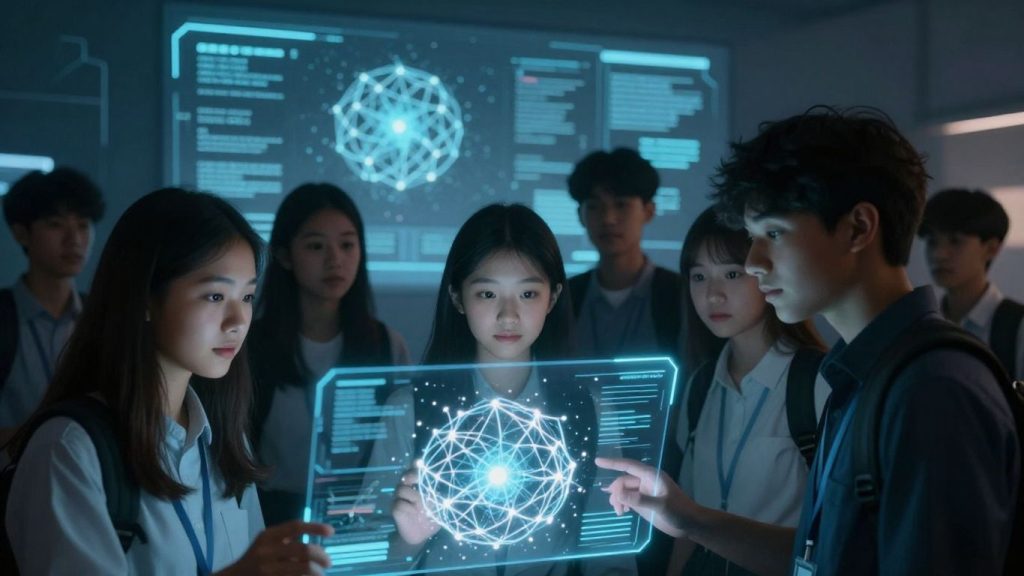
Artificial intelligence, or AI, is showing up everywhere, and schools are no exception. It’s in the apps students use and the tools teachers might consider for their classrooms. This shift means we need to think about how AI affects learning and teaching right now, and what it means for the future. Getting a handle on this technology is important for everyone involved in education, from students and teachers to those making school policies. Understanding the basics of AI high school education is key to making sure it helps rather than hinders.
Key Takeaways
- AI is becoming a normal part of student life through everyday apps and devices, making its presence in schools unavoidable.
- AI can change how students learn by offering custom lessons and support, potentially improving how well they do in school.
- Teachers can benefit from AI by having it handle some tasks, giving them more time for actual teaching and creative lesson plans.
- There are real concerns about AI in schools, like keeping student data safe, making sure students do their own work, and making sure everyone knows how to use these tools.
- To use AI well in schools, we need clear rules, openness about how it works, and teamwork between teachers and people who make school rules.
Understanding AI’s Growing Presence in High School
Artificial intelligence, or AI, isn’t some far-off concept anymore; it’s already here, and it’s showing up in high schools across the country. Think about how many apps and websites you use daily that suggest things based on what you’ve liked before, or how your phone can understand what you’re saying. That’s AI at work. It’s become a regular part of life for students, often without them even realizing it.
What Constitutes Artificial Intelligence?
At its core, AI refers to computer systems designed to perform tasks that typically require human intelligence. This can include things like learning from experience, recognizing patterns, understanding language, and making decisions. It’s not about robots taking over, but rather about creating smart tools that can process information and act on it. Recent advancements, especially in areas like generative AI, mean these systems can now create new content, like text or images, by learning from massive amounts of data. This ability to generate and interpret information is what makes AI so impactful in various fields, including education.
AI’s Integration into Daily Student Life
Students are already interacting with AI in numerous ways outside the classroom. Social media platforms use AI to curate feeds, streaming services recommend shows, and navigation apps find the quickest routes. Even simple voice assistants on phones or smart speakers are powered by AI. This constant exposure means students are becoming familiar with AI’s capabilities, often viewing it as a natural extension of their digital world. This familiarity is a starting point for understanding how AI can be applied in more structured learning environments.
The Current Landscape of AI in Schools
While AI has been present in education for a while through tools like adaptive learning software or automated grading systems, the conversation has intensified with the rise of generative AI. Many educators see the potential for AI to personalize learning and streamline tasks. However, widespread adoption is still developing. Some schools are actively exploring AI tools, while others are proceeding with caution, focusing on understanding the implications and developing clear guidelines. There’s a clear interest, but also a need for careful planning and training.
The rapid development of AI presents both exciting possibilities and significant questions for high schools. It’s a technology that’s already shaping students’ lives outside of school, and its presence within educational settings is growing. The key is to understand what AI is and how it’s currently being used, so we can make informed decisions about its future role in learning.
Here’s a look at how AI is starting to appear:
- Personalized Learning Tools: Software that adjusts difficulty and content based on a student’s performance.
- Administrative Support: AI assisting with tasks like scheduling or basic student queries.
- Content Generation: Tools that can help brainstorm ideas or draft text, requiring careful oversight.
- Research Assistance: AI helping students find and summarize information, though critical evaluation remains vital.
Transforming Learning Experiences with AI
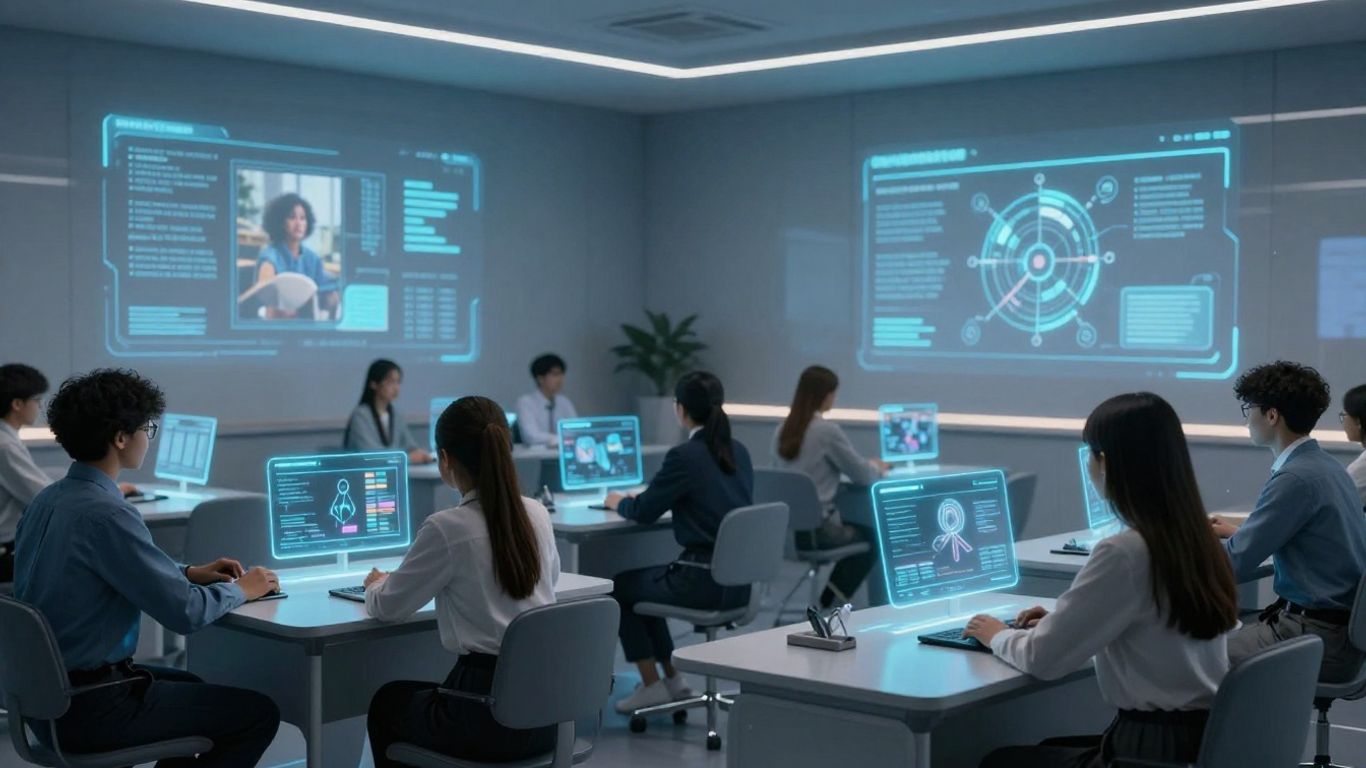
Artificial intelligence is changing how students learn, making education more personal and effective. It’s not just about new gadgets; it’s about tailoring the learning journey to each student’s unique needs and pace. This shift means moving away from a one-size-fits-all approach to something much more dynamic.
Personalized Learning Pathways for Every Student
Imagine a classroom where lessons adapt as students work through them. AI can make this a reality. By looking at how a student answers questions, what topics they find easy or hard, and what their interests are, AI systems can create custom learning plans. This means students who grasp concepts quickly can move ahead, while those needing more time get the extra support they require, all within the same learning environment. It’s like having a tutor for every student, available all the time.
- Identifying individual learning styles: AI can recognize if a student learns best through reading, listening, or doing.
- Adjusting difficulty levels: Content can become simpler or more complex based on student performance.
- Suggesting relevant resources: AI can point students to videos, articles, or practice problems that match their current needs.
Enhancing Student Outcomes Through Tailored Support
When learning is personalized, students tend to do better. AI tools can provide instant feedback on assignments, helping students understand their mistakes right away rather than waiting for a teacher to grade their work. This immediate feedback loop is incredibly important for solidifying knowledge and building confidence. For students who might be struggling, AI can offer extra practice or alternative explanations, helping them catch up without feeling left behind. This targeted support can lead to significant improvements in grades and a deeper grasp of subjects.
AI’s ability to analyze student performance data allows for early identification of learning gaps. This proactive approach means interventions can be put in place before a student falls too far behind, making the learning process smoother for everyone involved.
Boosting Engagement with Adaptive Resources
Keeping students interested can be a challenge, but AI offers new ways to make learning more engaging. Adaptive learning platforms can turn lessons into interactive experiences, using gamification or real-world examples that resonate with students. When learning materials change based on a student’s input and progress, it feels more like a conversation and less like a lecture. This keeps students actively involved and motivated to learn more.
- Interactive exercises: AI can create quizzes and activities that respond to student answers.
- Gamified learning: Points, badges, and leaderboards can make learning feel like a game.
- Content variety: AI can present information through different media, like videos, simulations, or interactive diagrams, to keep things fresh.
Empowering Educators Through AI Integration
Artificial intelligence is not just a tool for students; it’s also a powerful ally for teachers. When schools bring AI into the classroom, it can really change how educators spend their time and how they approach teaching. It’s about making their jobs more manageable and, frankly, more rewarding.
Streamlining Administrative Tasks for Teachers
Think about all the paperwork and repetitive tasks that take up a teacher’s day. AI can step in here. Automated grading for multiple-choice tests or even initial drafts of essays can save hours. AI can also help with scheduling, sending out routine communications to parents, and organizing student data. This isn’t about replacing the teacher’s judgment, but about handling the more time-consuming, less interactive parts of the job.
- Automated grading of objective assessments.
- Assistance with generating initial drafts of student progress reports.
- Managing class schedules and sending out reminders.
- Organizing and categorizing student performance data.
Freeing Up Time for Meaningful Instruction
When AI takes on some of the administrative load, teachers get precious time back. This extra time can be redirected to what truly matters: connecting with students, planning engaging lessons, and providing individual support. Instead of being buried in paperwork, educators can focus on the human side of teaching – mentoring, inspiring, and addressing the specific needs of each learner. This shift allows for deeper student-teacher relationships and more impactful learning experiences.
The goal is to use AI to handle the ‘busy work,’ allowing teachers to concentrate on the ‘heart work’ of education – building relationships and fostering genuine understanding.
AI as a Tool for Creative Teaching
AI can also be a springboard for creativity in the classroom. Teachers can use AI tools to generate new lesson ideas, create varied practice materials, or even develop interactive simulations. For instance, an AI could help a history teacher brainstorm different ways to present a historical event, or assist a science teacher in designing a virtual lab experiment. This opens up new avenues for lesson planning and can make learning more dynamic and interesting for students. It’s about augmenting, not replacing, the teacher’s own creativity and pedagogical skills.
Navigating the Challenges of AI in Education
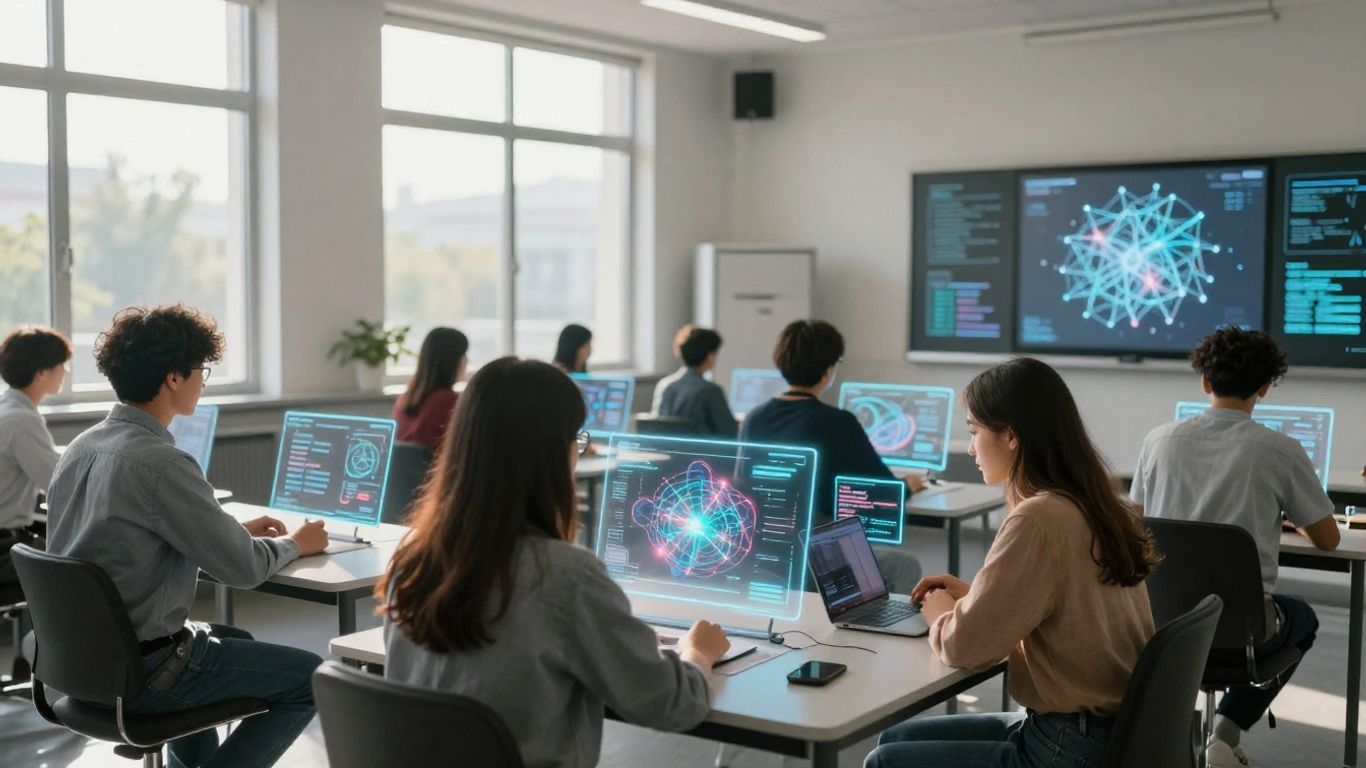
While the promise of AI in high schools is exciting, it’s not without its hurdles. We need to think carefully about how we bring these tools into our classrooms and what potential problems might arise. It’s like learning to drive a new car – you need to understand the controls and be aware of the road conditions.
Ensuring Data Privacy and Security
One of the biggest worries is what happens to all the information AI systems collect about our students. When students use AI tools, data is gathered on their learning habits, progress, and even personal details. Protecting this sensitive information is absolutely vital. We need clear rules about who can access this data, how it’s stored, and for how long. Schools must work with AI providers to make sure their systems meet strong security standards, preventing unauthorized access or breaches. It’s about building trust so that parents and students feel safe sharing their information for educational purposes.
Addressing Academic Integrity Concerns
AI tools, especially those that can generate text, bring up questions about cheating and plagiarism. Students might use AI to complete assignments without doing the actual work themselves. This can undermine the learning process and make it hard for teachers to know what students truly understand. Schools need to:
- Develop clear policies on acceptable AI use for assignments.
- Educate students on the ethical implications of using AI inappropriately.
- Explore new ways to assess student learning that are less susceptible to AI shortcuts, perhaps focusing more on in-class discussions, presentations, or project-based work.
Bridging the Digital and AI Skills Gap
Not everyone has the same access to technology or the same level of comfort using it. This digital divide can become an AI skills gap, where some students are better prepared for an AI-infused future than others. Teachers also need support. Many educators may not have had much training in AI and might feel unsure about how to use these tools effectively or how to guide their students. We need to make sure that:
- All students have equitable access to AI tools and the necessary devices.
- Teachers receive ongoing professional development to understand and integrate AI into their teaching practices.
- Curricula are updated to teach students not just how to use AI, but also how to think critically about its outputs and limitations.
The introduction of AI into schools presents a complex set of issues that require thoughtful consideration. Simply adopting new technology without addressing these underlying challenges could lead to unintended negative consequences. A proactive and well-planned approach is necessary to harness AI’s benefits while mitigating its risks.
Building a Responsible Framework for AI in High Schools
As AI becomes a bigger part of how we learn and teach, it’s super important that schools have a clear plan for using it. This isn’t just about getting the latest tech; it’s about making sure it’s used in a way that’s safe, fair, and actually helps students learn better. Think of it like setting up the rules of the road before everyone starts driving – we need guidelines so things don’t get chaotic.
Developing Comprehensive Policy Guidelines
Schools need to create clear rules about how AI tools can be used. This means figuring out what’s okay and what’s not, especially when it comes to things like student work and data. These policies should be easy for everyone – students, teachers, and parents – to understand. They should cover how AI can be used for learning, like getting help with research or practicing skills, but also set boundaries to prevent misuse.
- Define acceptable uses of AI tools for assignments.
- Outline procedures for reporting and addressing AI misuse.
- Establish guidelines for data collection and usage by AI platforms.
Setting these policies isn’t a one-time thing. As AI changes, the rules will need to be updated too. It’s about staying flexible and making sure the policies always support the main goal: good education for everyone.
Prioritizing Transparency and Accountability
When schools use AI, everyone involved should know how it works. This means being open about which AI tools are being used and why. If an AI system makes a decision that affects a student, like suggesting a learning path, there should be a way to understand how that decision was made. This builds trust. It also means that if something goes wrong, like a data breach or a biased outcome, there’s a clear process for figuring out what happened and who is responsible.
Fostering Collaboration Between Educators and Policymakers
Teachers are on the front lines, seeing how AI affects students every day. Policymakers, on the other hand, create the broader rules and regulations. For AI to be used well in schools, these two groups need to work together. Teachers can share their real-world experiences and concerns, helping policymakers create rules that are practical and effective. Policymakers can provide the structure and support that schools need to implement AI responsibly. This partnership is key to making sure AI serves the best interests of students and educators alike.
Preparing Students for an AI-Driven Future
Curriculum Evolution for 21st-Century Skills
The world our students will enter after high school is already shaped by artificial intelligence, and this influence will only grow. To prepare them, we need to rethink what skills are most important. This means moving beyond traditional subjects to focus on abilities that AI can’t easily replicate. Think about problem-solving, creativity, and adaptability. These are the skills that will help students thrive, no matter how AI advances.
- Critical Thinking: Teaching students to question information, evaluate sources, and form their own judgments is more important than ever. AI can provide answers, but humans need to know if those answers are sound.
- Creativity and Innovation: AI can generate content, but true innovation comes from human imagination and the ability to connect ideas in novel ways.
- Collaboration and Communication: Working effectively with others, and clearly expressing ideas, are skills that AI cannot replace.
- Emotional Intelligence: Understanding and managing emotions, both in oneself and others, is a deeply human trait that will remain vital.
The goal is not to compete with AI, but to work alongside it, using its capabilities to amplify our own.
Cultivating Critical Thinking Alongside AI Use
As AI tools become more accessible, it’s easy for students to rely on them for quick answers. However, this can short-circuit the learning process. Instead of just accepting what an AI provides, students need to be taught how to use these tools critically. This involves understanding how AI works, its limitations, and potential biases. When students use AI for research, for example, they should be encouraged to cross-reference information, question the AI’s output, and understand the reasoning behind its suggestions.
We must teach students to be discerning users of AI, not passive recipients of its output. This means encouraging them to ask "why" and "how" when interacting with AI-generated content, rather than simply accepting it as fact.
Promoting Digital Citizenship and Ethical AI Engagement
Understanding the ethical implications of AI is a key part of preparing students for the future. This includes topics like data privacy, algorithmic bias, and the responsible use of AI technologies. Schools have a role to play in educating students about these issues, helping them become responsible digital citizens who can navigate the complexities of an AI-integrated world. This means discussing:
- The importance of protecting personal data when using AI tools.
- How AI can sometimes reflect and even amplify societal biases.
- The ethical considerations of creating and using AI-generated content.
- The impact of AI on jobs and society, encouraging thoughtful discussion about the future.
Looking Ahead: AI in High School Education
As we wrap up our look at AI in high school education, it’s clear this technology isn’t just a passing trend; it’s here to stay and will continue to change how students learn and teachers teach. We’ve seen how AI can help make learning more personal and take some of the load off teachers, which is pretty great. But, we also need to be smart about it. Making sure everyone understands how these tools work, keeping student data safe, and making sure all students can benefit, no matter their background, are really important steps. The goal is to use AI to help students grow and learn, not replace the human connection that makes education special. By working together and thinking carefully, we can make sure AI helps build a better future for learning.
Frequently Asked Questions
What exactly is Artificial Intelligence (AI)?
Think of AI as smart computer programs that can do things usually needing human brains, like understanding what you say, spotting patterns, or making choices. It’s like giving computers a bit of a mind of their own to help us out.
How is AI already being used by students?
You probably use AI every day without even realizing it! When apps suggest what to watch next, or when your phone’s map helps you find the quickest way somewhere, that’s AI at work. It’s already a big part of how we connect with technology.
Can AI help me learn better in school?
Yes, AI can make learning more personal for you. It can create lessons that fit your specific learning style and pace, helping you understand things better and practice what you need to improve. It’s like having a tutor that knows exactly what you need.
Will AI make it easier for teachers?
Definitely! AI can take care of some of the time-consuming tasks for teachers, like grading papers or organizing class materials. This means teachers have more time to focus on actually teaching and helping students, making classes more engaging.
What are the main worries about using AI in schools?
Some big concerns are keeping student information private and safe, making sure students don’t cheat using AI tools, and ensuring all students and teachers know how to use AI properly. It’s important to use AI in a way that’s fair and secure for everyone.
How can schools make sure AI is used the right way?
Schools need clear rules and plans for using AI. This includes being open about how AI tools work, making sure they are used fairly, and training teachers and students on how to use them responsibly and ethically. It’s all about using AI to help learning without causing problems.

Peyman Khosravani is a seasoned expert in blockchain, digital transformation, and emerging technologies, with a strong focus on innovation in finance, business, and marketing. With a robust background in blockchain and decentralized finance (DeFi), Peyman has successfully guided global organizations in refining digital strategies and optimizing data-driven decision-making. His work emphasizes leveraging technology for societal impact, focusing on fairness, justice, and transparency. A passionate advocate for the transformative power of digital tools, Peyman’s expertise spans across helping startups and established businesses navigate digital landscapes, drive growth, and stay ahead of industry trends. His insights into analytics and communication empower companies to effectively connect with customers and harness data to fuel their success in an ever-evolving digital world.