AI has changed the job search in ways that felt impossible just a few years ago. You can now customize a resume in minutes, prep for interviews at midnight, and apply to dozens of roles before your coffee gets cold.
But here’s what too many job seekers get wrong: they let the automation do all the talking. Hiring managers still hire people, not algorithms. The 5 best ways to use AI during your job search without losing the human touch are about pairing speed with authenticity – not replacing one with the other.

1. Let Technology Scan and Improve Your Resume Before Every Application
Your resume has to pass an applicant tracking system before a human ever reads it, which means small details in wording and structure can make a difference. AI tools can help candidates review their resumes by comparing them with job descriptions, identifying missing keywords, and showing which skills or experiences may need more attention. Some platforms focus on resume analysis, while others combine this with application automation or job matching features. For example, tools like JobCopilot and LazyApply help simplify parts of the application process, while RoboApply uses AI to compare resumes with specific job requirements and suggest changes that make the content more relevant to a particular role.
However, AI suggestions should be treated as a starting point rather than a final answer. Candidates should review every recommendation and adjust the wording so it still sounds natural and reflects their real experience. A resume that is optimized for an ATS but feels generic to a recruiter may lose its impact. The goal is to use AI to identify patterns and improve alignment while keeping the personal voice and achievements that make a candidate stand out.
2. Use AI to Customize Cover Letters Without Losing Your Voice
Cover letters are where most candidates either shine or disappear. AI can generate a solid structural draft from a job description and your resume in about thirty seconds. That’s genuinely useful. But the draft it produces is a scaffold, not the finished building.
Before sending anything, add one specific detail only you could write. Name a project, quote a result from your last role, or reference something real about the company you found in their recent news or annual report. A recruiter reading fifty cover letters will stop at the one that sounds like a person wrote it. AI removes the blank-page paralysis and gives you a coherent starting point, your job is to inject the detail that makes it unmistakably yours. Speed combined with specificity is what separates candidates who get callbacks from those who don’t.
3. Automate Application Tracking While You Focus on Real Relationships
Tracking where you’ve applied, who you’ve spoken to, and what stage each application is at sounds simple enough. It becomes a mess fast, especially when you’re applying to twenty or thirty roles. Dashboards can log applications, send follow-up reminders, and flag when a posting closes or changes. That’s time you can spend on something no algorithm can do for you.
Use those hours to reach out to actual people. A short message to a former colleague, a genuine comment on a hiring manager’s LinkedIn post, or a thank-you note to someone who gave you advice, these things don’t scale, and that’s exactly why they work. The job search is partly a numbers game, and automation helps you play it. But most hires still come through some form of human connection. Let the software handle the spreadsheet work so you can have the conversations that actually matter.
4. Prepare for Interviews with AI Coaching, Then Trust Yourself in the Room
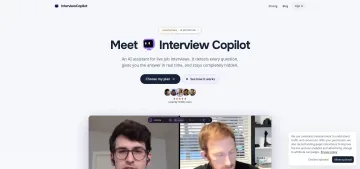
AI interview tools can run mock interviews, score your answers, and surface behavioral questions tailored to a specific role. It’s one of the highest-value ways to put the technology to work during a job search. You can practice the same question six times without embarrassing yourself in front of anyone, and you’ll get immediate, specific feedback on things like filler words, answer structure, and whether you actually addressed what was asked.
But preparation ends before the interview starts. Don’t walk into a real conversation trying to recall the “optimal” phrasing you rehearsed the night before. Hiring managers can hear the difference between someone who’s thought hard about their experience and someone reciting a script. The goal of AI prep is to build confidence and clarity, not to memorize lines. Use the sessions to get comfortable with your own stories, then, in the actual interview, be present, listen well, and let the preparation work quietly in the background. That’s when preparation becomes performance.
5. Use AI to Research Companies and Write Thoughtful, Human Questions
Walking into an interview without knowing the company’s recent challenges, competitive position, or leadership changes is a real liability. AI tools can summarize earnings calls, condense long reports, pull recent press coverage, and give you a clear picture of a company’s current state in a fraction of the time it would take to read everything yourself.
Use that research to ask better questions – not to show off what you know, but to have a genuine conversation. Ask about a specific initiative you read about. Reference a challenge the industry faces and ask how the team thinks about it. These questions signal that you did real preparation, and they open the door to a conversation that feels mutual rather than transactional. Interviewers remember candidates who asked them something worth thinking about. AI helps you get there faster. The curiosity and follow-through still have to come from you.
Conclusion
The 5 best ways to use AI during your job search without losing the human touch all follow the same logic: let the technology handle what’s mechanical so you can invest more in what’s genuinely human. Improve your resume with data, draft faster with AI, automate your tracking, sharpen your interview prep, and arrive at every conversation more informed. Just don’t disappear behind the automation. Employers are still choosing people, and the ones who get hired are the ones who show up as themselves.