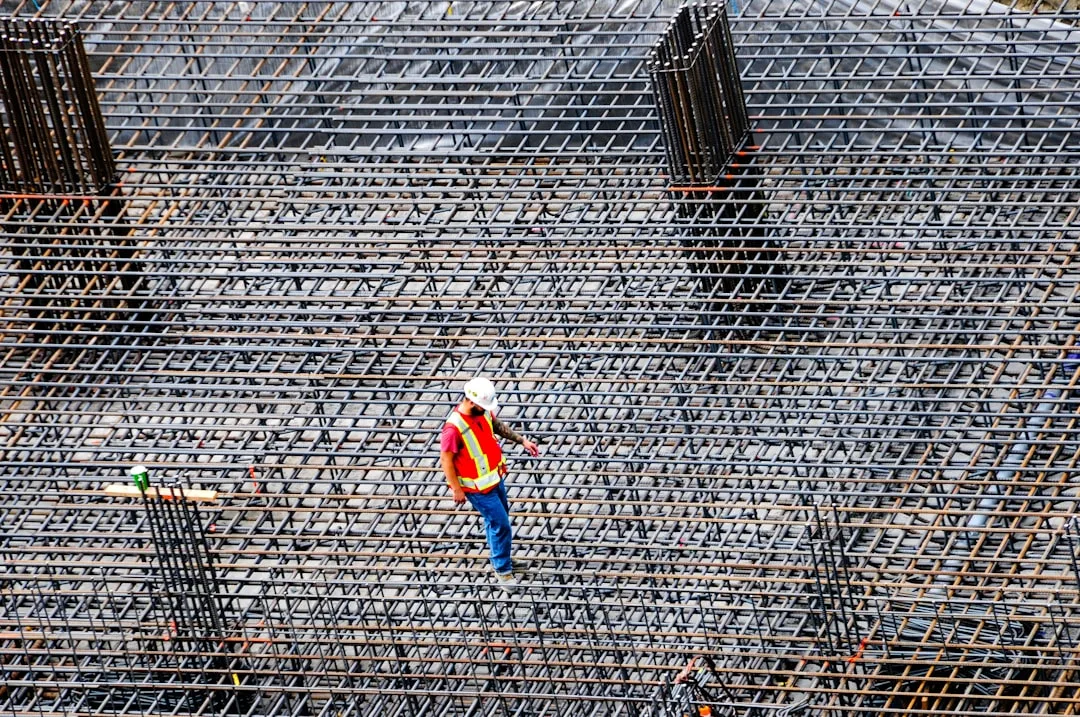
Due diligence before committing capital to a construction or development project involves a structured assessment of technical, financial and programme risk, intended to surface issues before they become expensive problems after contracts are signed. For institutional investors and developers, this stage is often what separates a project that proceeds smoothly from one that runs into unexpected cost or delay further down the line. Mitchell McDermott is one of the construction consultancies providing this kind of due diligence support to investors and developers ahead of major commitments.
What Technical Due Diligence Actually Covers
Technical due diligence on a construction project typically involves reviewing existing surveys, ground conditions, structural assessments and any known site constraints that could affect build cost or programme. This process aims to identify risks that may not be obvious from initial project documentation alone, such as unexpected ground contamination, access constraints, or discrepancies between design assumptions and actual site conditions. Investors relying on this assessment need confidence that it has been carried out thoroughly, since gaps here can surface as costly surprises once construction is underway.
Why Cost Plan Scrutiny Is a Core Part of Due Diligence
A proposed project cost plan needs independent scrutiny before an investor commits capital, since developers presenting a project for funding may have incentives to present optimistic figures, whether deliberately or simply through insufficient contingency planning. Reviewing a cost plan involves checking that allowances for specialist works, inflation, and contingency are realistic given current market conditions, and comparing proposed costs against benchmarks from comparable projects. This scrutiny helps investors understand the genuine risk profile of a project rather than relying solely on figures presented by the party seeking funding.
Assessing Programme Realism Before Committing
Construction programmes presented at the funding stage are sometimes optimistic, particularly around planning approval timelines, procurement of specialist materials, or the availability of contractors in a busy market. Due diligence should include an independent assessment of whether a proposed programme is realistic given current market conditions, since a programme that is fundamentally too aggressive introduces both direct delay costs and knock-on financial risk for anyone relying on the project completing to schedule.
Reviewing the Procurement and Contract Strategy
How a project intends to procure contractors and structure its contracts materially affects risk allocation between developer, contractor and eventual investor. Due diligence should examine whether the chosen procurement route and contract form appropriately allocate risk, and whether the contractor selection process has been robust enough to reduce the chance of performance issues later. A well-structured contract strategy can significantly reduce the likelihood of disputes or claims once construction begins, which makes this an important area for independent review.
Understanding Planning and Regulatory Risk
Outstanding planning conditions, unresolved regulatory approvals, or ambiguity around compliance requirements represent a common source of project delay that due diligence should specifically investigate. This includes checking whether all necessary permissions are genuinely secured or only assumed, and understanding any conditions attached to existing approvals that could affect construction sequencing or final building specification. Regulatory risk that is not identified before financial commitment can be significantly more difficult and costly to resolve afterwards.
How Due Diligence Findings Should Shape Investment Decisions
The purpose of due diligence is not simply to produce a report, but to genuinely inform whether and how an investor proceeds with a project, potentially including revised terms, additional contingency requirements, or conditions attached to funding release. Findings that surface real risk should lead to substantive changes in how a deal is structured, rather than being noted and then set aside, since the value of due diligence depends entirely on it actually influencing the final investment decision.
Making Informed Decisions Through Proper Due Diligence
Thorough due diligence, covering technical, cost, programme, procurement and regulatory risk, gives investors and developers a genuinely informed basis for committing capital to a construction project rather than relying on assumptions or a developer’s own optimistic projections. Consultancies such as Mitchell McDermott that specialise in this kind of independent assessment help clients understand the real risk profile of a project before financial commitment, which is considerably more valuable than uncovering the same issues once construction is already underway.