A medical emergency can happen without warning, and knowing what happens after you press your medical alert button can help you feel more prepared. Being familiar with the emergency response procedure before you need it can make you more confident in how the system reacts when every second matters.
The Life Assure medical alert systems are created to simplify emergency response and make it quick and effective. With easy-to-use technology and access to trained monitoring professionals 24 hours a day, seven days a week, the system connects you with the right assistance when it matters most. Wherever you are, at home or on the go, the response process is designed to maintain clear communication and keep support within reach.
This article describes how Life Assure medical alert devices operate during an emergency, from activating your device to connecting you with the appropriate help.
1. Emergency Alert Connects You to the Monitoring Center

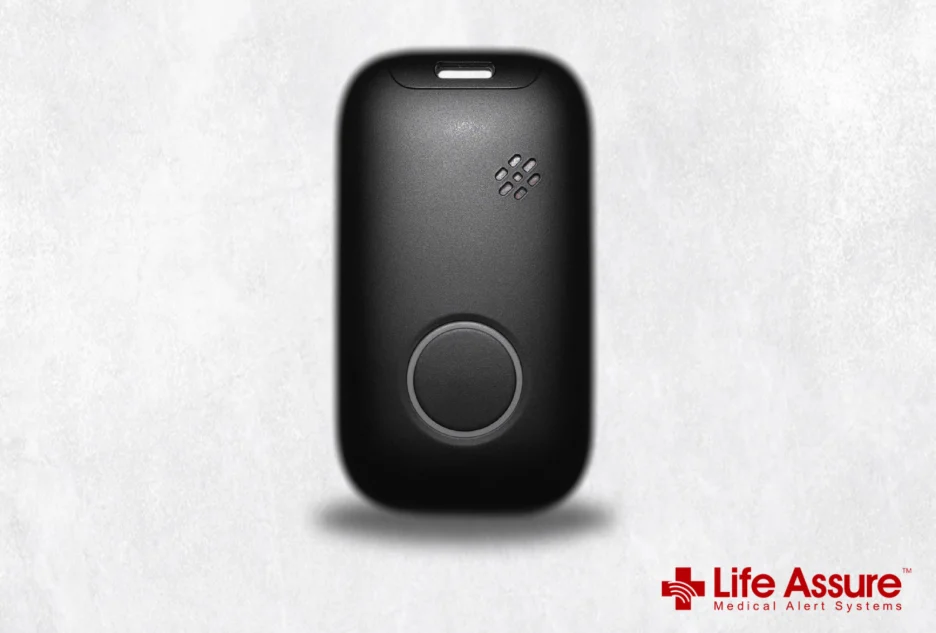
The design of Life Assure medical alert devices features simple controls, ensuring you can request assistance without hesitation, even in stressful or disorienting circumstances.
Pressing the emergency button immediately sends an alert to the Life Assure Monitoring Center. This signal enables trained monitoring professionals to start responding and get the information necessary to help you.
Since the alert is delivered immediately to the device, there is no need to dial a number or open the phone, minimizing delays in critical situations.
This simple procedure aims to simplify the process of seeking assistance in stressful circumstances. Rather than going through several stages, you can enable the alert quickly enough to ensure the response process starts without delay.
2. 24/7 Monitoring Professionals Assess Your Situation
After the monitoring center receives your alert, a trained monitoring professional responds right away. Around-the-clock monitoring means your alert can be answered at any time, day or night, so you never have to wait until regular business hours.
During the initial stages of the call, the monitoring professional seeks to understand your situation and assess your needs.
In case you can communicate with them, they can ask basic questions to learn more about what occurred and decide whether to inform emergency services or your named emergency contacts.
An immediate evaluation helps ensure that the correct response is organized according to your needs and that you can proceed with the situation without delay. Each emergency is unique, so getting the right information at the outset would help the monitoring professional organize aid that fits your situation rather than making assumptions.
3. Two-Way Communication Helps Arrange Assistance
After your alert is answered, clear communication becomes the next step. In-built two-way voice communication enables you to talk directly through your medical alert device, so you do not have to move to another phone when an emergency occurs.
In case you can speak, you can describe the situation and provide the information that could explain your state or environment. Clear details about your situation allow for a more accurate understanding of your needs and help determine the most appropriate response.
Emergency services or your emergency contacts can be informed, depending on the situation, to offer the right support promptly.
With communication going on, confusion levels decrease as the discussion goes on, and help to create a more coordinated reaction. Even short updates can give valuable information when help is on the way.
4. Automatic Fall Detection Starts Response When You Cannot
Not every emergency gives you enough time to press the help button. Automatic fall detection adds an additional layer of protection by recognizing certain falls and automatically sending an alert to the monitoring center when one is detected.
If a fall is detected, the monitoring center follows the same process used for a manual activation.
The signal is received, communication is attempted, and the situation is assessed based on any available details. If no response is received, emergency services or designated contacts can be notified according to your emergency profile and the nature of the alert.
This continuity ensures assistance can be coordinated quickly, even when you cannot actively participate in the process. Using the same response process for both manual alerts and automatic fall detection creates a consistent experience, helping ensure that every emergency is handled with the same level of attention.
5. GPS Technology Helps Responders Reach Your Location
Imagine experiencing an emergency while shopping or walking in an unfamiliar neighborhood. In those situations, mobile Life Assure medical alert devices use built-in GPS technology to share your location with the monitoring center.
This location data becomes especially valuable when you cannot clearly explain where you are or when the incident occurs in an unfamiliar area. By sharing your location, GPS technology allows monitoring professionals to guide emergency responders more effectively.
Whether you are walking, shopping, traveling, or spending time outdoors, GPS technology extends protection beyond your home. Combined with the emergency response, it keeps support accessible wherever your daily routine takes you.
This added flexibility allows mobile users to stay connected to emergency support during everyday activities instead of relying on protection only while they are at home.
Bottom Line
Life Assure medical alert devices are designed to make every stage of the emergency response process simple and dependable.
From the moment an alert is sent, trained monitoring professionals assess the situation and coordinate the appropriate assistance based on your needs. If you cannot activate your device, automatic fall detection can start the same response process, while GPS technology helps support a faster response when you are away from home.
Understanding how the system works before an emergency occurs can give you greater confidence, knowing reliable assistance is designed to stay within reach whenever you need it most.