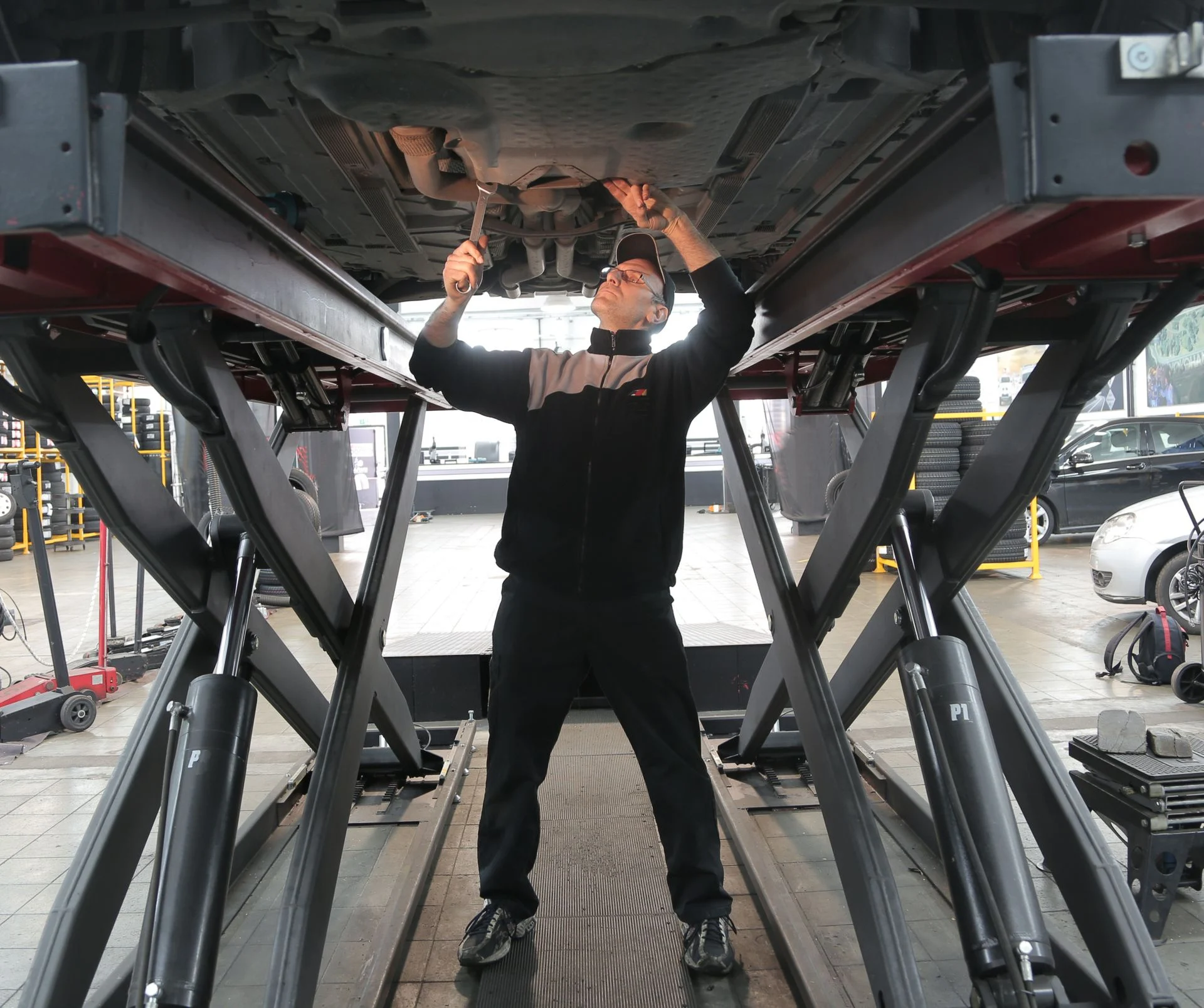
The moment a PDK owner has to decide
A Porsche with a PDK gearbox usually gives some warning before it fails outright. Harsh shifts, a hesitation between gears, a clunk on downshift, a warning light that comes and goes. At that point, every owner faces the same choice: patch the symptom, or find out what caused it.
Joseph Leggs, a mechanic, machinist, and engine and gearbox builder based in Escondido, California, has spent years rebuilding PDK units and training under factory programs at Porsche, Lamborghini, and Bentley. His work sits at the intersection of diagnostics and machining, which is exactly where PDK problems tend to get misread.
Why the quick fix looks appealing
A dealer or shop can often clear a fault code, replace a sensor, or top off fluid and send the car home. The shifting smooths out. The light goes off. For a few weeks, or a few months, everything seems fine.
The trouble is that PDK faults are rarely isolated. The transmission is a sealed, computer-controlled system built around clutch packs, solenoids, and hydraulic pressure that all depend on each other. A sensor reading wrong is often a symptom of wear somewhere else in the unit, not the cause. Clear the code without finding that cause, and the same fault tends to come back, usually worse.
What gets missed
- Clutch pack wear that has not yet triggered a full failure code
- Solenoid pressure irregularities caused by contaminated fluid
- Mechatronic unit issues that mimic simple sensor faults
- Fluid degradation from age rather than mileage, which many owners do not track
The choice, laid out plainly
Owners facing a PDK problem are really choosing between two paths.
Path one is a targeted repair: replace the failed part, clear the code, move on. This costs less up front and takes less time in the shop.
Path two is a full diagnostic teardown: pull the unit apart, inspect every wear surface, and rebuild what needs rebuilding. This costs more and takes longer.
Leggs’s view is that the right choice depends on what the symptoms actually point to, not on which option is cheaper. A car with a single, clearly isolated fault and no other wear signs is a reasonable candidate for a targeted repair. A car with multiple small symptoms, or one that has gone a long time without fluid service, usually is not.
How to tell which one you actually need
A few questions help sort this out before money changes hands.
How old is the fluid? PDK fluid and filter service has a mileage interval, but time matters too. A car that sits for long stretches between drives can have fluid old enough to cause problems even under the mileage threshold.
Is there more than one symptom? A single hesitation on cold starts might be nothing. A hesitation plus a clunk plus an intermittent warning light is a pattern, and patterns mean something is wearing, not malfunctioning in isolation.
Has the car had aggressive driving without matching maintenance? Track days and hard launches put real load on clutch packs. If the service history does not match the driving history, the transmission has probably taken more wear than the mileage suggests.
What does the shop actually check? A shop that reads the fault code and quotes a part number, without asking about fluid history or symptom pattern, is set up to do a quick fix whether or not that is the right call.
What a real diagnostic looks like
Leggs approaches a PDK complaint the way he approaches an engine complaint: symptoms are data, not just annoyances to clear. That means checking fluid condition and color, pulling stored and pending codes rather than just the active one, and road testing across a range of conditions, not just around the block.
Where the codes point to a mechatronic or clutch pack issue, the unit comes apart. Machining and rebuilding at that level means measuring wear tolerances against factory specification, not eyeballing whether a part looks worn.
The cost of guessing wrong
Choosing the quick fix on a car that actually needed the teardown does not just risk a repeat repair. It risks driving on a transmission with an undiagnosed wear pattern, which can turn a repairable issue into a full unit replacement.
Choosing the teardown on a car that only needed a sensor is not free either. It costs time and money the owner did not need to spend.
The way through that is not guessing better. It is asking the questions above before agreeing to either path, and working with a shop willing to answer them honestly rather than push straight to a quote.