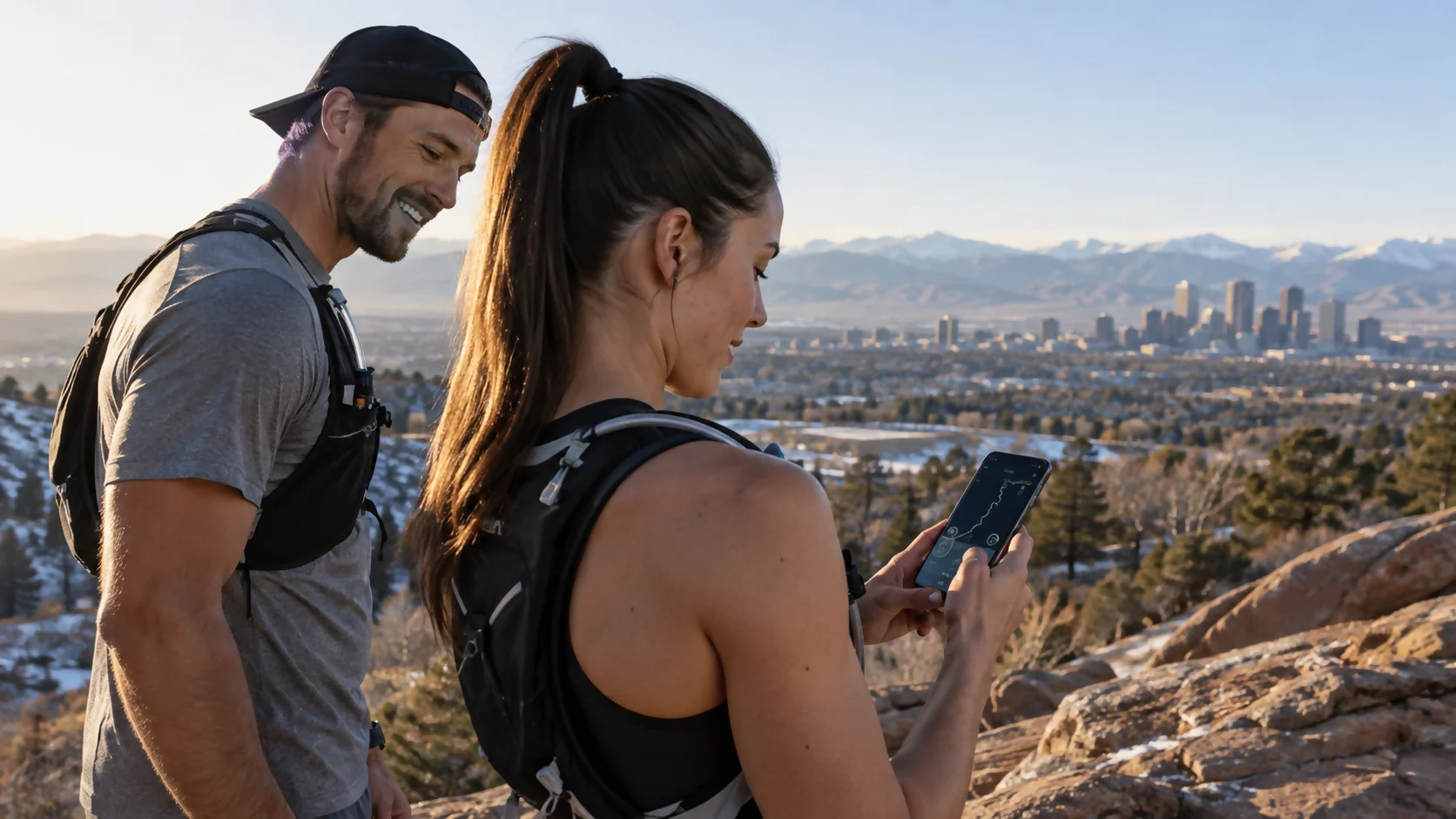
Fitness and training is very common everywhere these days, and even outdoor recreation apps are now acquired by the customer heavily.
You know fitness is now no longer limited to gyms, treadmills, or scheduled training sessions in Denver. Instead, there are many urban parks and cycling routes, along with hiking trails and more that provide access to rocky locations, and people look for apps that could guide them through them. Technology is now everywhere, and with data-driven strategies, it’s much easier and simple to drive the experience.
Mobile apps are now changing how people track workouts on a daily basis, recover from trails with monitoring performance, and stay motivated for the stuff. Whereas, the next major shift is AI personalisation that is now almost everywhere. Whether it’s healthcare using AI to customize online consultations to the understanding of goals, habits, abilities and other surroundings.
Whereas, referring to the Denver app developers, they are now becoming an important part of the digital economy. Instead of building fitness mobile apps, they now offer a similar experience to everyone, and app developers can now build a more efficient platform for the users.
In this blog, we are going to list down the ways through which you may build the most versatile version of mobile apps in Denver, and we assume that you are going to enjoy clearing it up with us.
Are you excited to explore it with us? Let’s get started then…
Why Denver Is an Ideal Market for Personalized Fitness Apps
Let’s get straight to the statistics, where we are going to discuss the significance of mobile apps in Colorado. According to the Colorado Outdoor Strategies, more than 72% of the participants are now moving into outdoor recreation at least once a week, and the state outdoor recreation economy is generating more than $55.6 million in economic output and running with a total of $64.7 billion.
Denver is now sitting at the center of the ecosystem, and residents are now moving from the urban workout to full trail runs and cycling sessions, with hiking and a lot more exciting things with relatively little travel. The actual task is to attract residents, and Denver has successfully welcomed more than 10.3 billion marketers in the city with recreation, sightseeing, and entertainment for more than $735 million.
From Generic Recommendations to AI-Powered Experiences
Traditional fitness mobile apps are now generating less amount of revenue as compared to newly built. Starting as a beginner would make you receive a beginner workout plan, and experienced runners would receive an advanced plan for further workouts. Whereas a useful fitness app would not approach the client directly; instead, it would first learn about the needs and then make the decisions or plans.AI can make recommendations considerably more adaptive.
AI Can Make Outdoor Recreation More Relevant
Artificial intelligence development companies are now making AI-powered personalization more impactful and easier to understand. You could use a Denver fitness app to make the following changes:
- Understanding the user’s hiking experience
- Preferred trail distance
- Elevation tolerance
- Current weather updates
- Time availabilities
- Location tracking
- Trail difficulties
- Previous routes
- Fitness objectives
These kinds of apps would help you recommend the preferred fitness plan that suits you well. Moreover, AI-powered teams would understand user behaviour, and if someone is skipping the routes, then they would give them a completely different trail that is easier for them and gradually take them to the finish line.
Wearables and Fitness Data Are Fueling Personalization
Modernized fitness apps would help you access the rich stream of information from smartphones, smartwatches, and other devices. The data would allow AI systems to quickly identify the patterns and generate more meaningful and impactful trail recommendations. It has created a trend in the fitness market. According to the Strava report, more than 180 million users are now in 185 countries, and the report shows that 46% of survey respondents have responded positively to it.
The Role of an Artificial Intelligence Development Company
Building a personalized fitness app would require more than just a chatbot and an app. Whereas an artificial intelligence development agency would help businesses design the underlying intelligence that is necessary for analyzing the user’s data and behavioral patterns, along with quick generation of the recommendations and continuously improving the user experience. Depending on the app’s type, the AI functionalities that should be included would be:
1- Personalized workout planning:
Adjusting the workout that is based on performance, goals, and scheduling, along with progress tracking.
2- Smart route recommendations:
Suggesting hiking, running, and cycling routes based on fitness levels and preferences.
3- Predictive insights:
Estimating performance trends and identifying changes in activity patterns.
4- Conversational coaching:
Allowing the user’s question about workouts, recovery plans, routes, and training goals most naturally.
5- Context-aware recommendations:
Combining personal preferences with factors that include weather, location, and time, along with activity planning.
So, When Are You Collaborating With Denver App Developers?
A successful AI-powered fitness app would be the one that comes with the largest number of features. Whereas, these kinds of apps would include the usage of technologies that help in solving real-time users’ problems. Whereas, if we talk about the Denver app developers, then it allows you to design the city’s unique relationships with fitness and outdoor recreation.
You can hire any professional app developer and ask them for the process. All the work would be done under the supervision of professionals, and the result would be an amazing mobile app with all the mandatory features. If you think we have missed anything in the blog, then feel free to share your thoughts. We would love to hear it back from you. Happy Reading….