Severe storms bring heavy hail, high winds, and blistering heat that tear through standard home exteriors. Homeowners facing harsh climates need options that stand up against intense environmental pressure.
Upgrading your roof shelter requires picking formulas that survive brutal conditions without failing early. Modern engineering provides tough choices built for fire, ice, and massive storm surges. Selecting the right option protects your home and cuts repair bills over years of ownership.
Architectural Wind-Resistant Asphalt Shingles
Standard asphalt strips often lift off when heavy wind gusts hit your neighborhood. Upgrading to high-wind rated new roofing systems gives your structure heavy protection against 110 mph wind pressure. Heavy polymer modification keeps individual shingles locked together during major tropical storms.
Thick fiberglass mats resist impact damage from falling tree branches or hail up to 2 inches thick. Special seal strips stick tight under intense solar heat to prevent blow-offs. Property owners gain reliable shelter without paying custom material prices. High-grade shingles maintain strong resistance against moisture penetration after long storm cycles.
Structural Standing Seam Steel Panels
Steel roofing panels offer impressive structural strength against destructive hurricane winds and flying debris. Interlocking seams conceal fasteners beneath the metal surface, preventing moisture from leaking into interior rooms. Federal emergency management case studies highlighted steel roofs as ideal options for hurricane resilience in coastlines prone to direct hits.
Reflective paint finishes on metal reflect sunlight instead of absorbing intense summer heat. Snow slides off smoothly in cold winter areas, preventing massive weight buildup on structural rafters.
Expect these metal panels to last 50 years with minimal ongoing upkeep. Strong interlocking clips lock each panel to the roof deck, keeping the entire shield locked in place.
Heavyweight Concrete And Clay Tiles
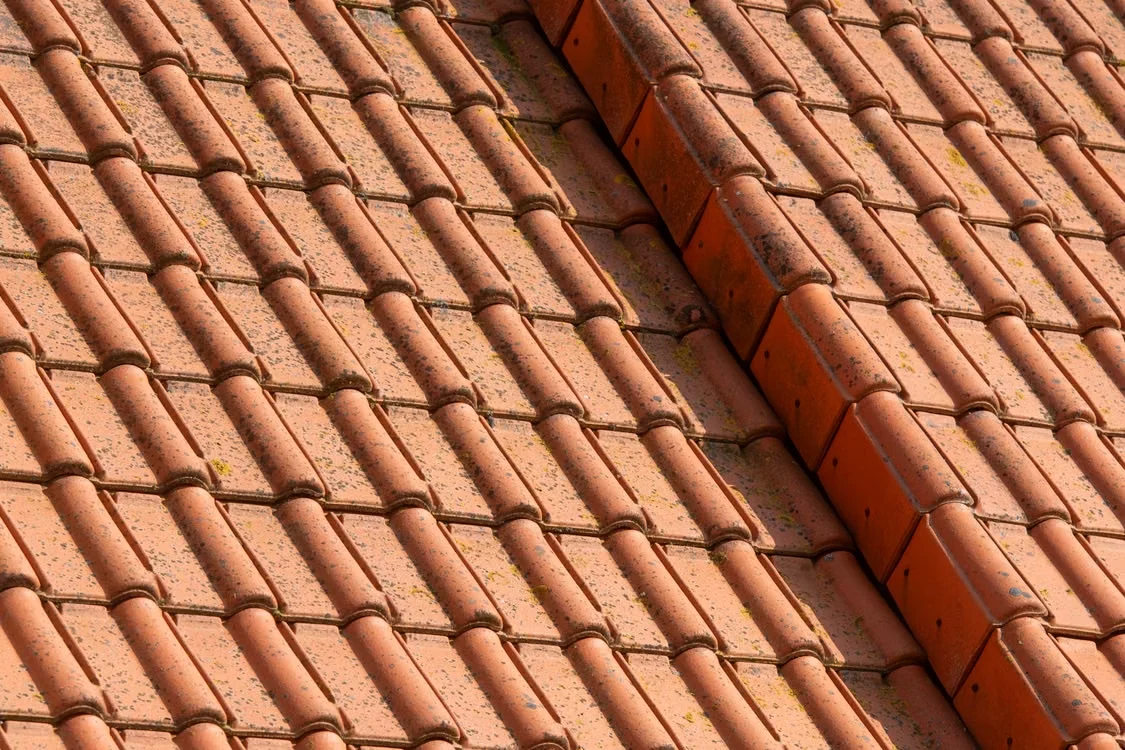
Concrete and clay materials handle extreme heat waves without warping, melting, or igniting during wild forest fires. The heavy mass of each tile anchors the roof structure against wind lift during regional windstorms. Disaster safety reports noted high-wind-rated shingles, metal panels, and clay tiles act as resilient coverings when paired with proper underlayment.
Interlocking designs channel water away from critical roof deck seams fast. Heavy rain cannot soak through cured concrete surfaces, eliminating rot concerns inside attic spaces.
These rigid materials resist damage from hot desert sun exposure. Individual tiles replace easily if tree branches fall on specific sections of the roof.
Synthetic Composite Slate Shingles
Synthetic slate recreates the look of classic stone without adding massive weight to your home frame. Engineered from recycled plastics and rubber polymers, these synthetic slates hold Class 4 impact resistance ratings. They bounce back from giant hailstones that would shatter genuine slate tiles into pieces.
Lightweight design allows quick installation without reinforcing roof trusses or support beams. Molded textures imitate natural rock while resisting mold, algae, and freeze-thaw cracking. Key structural benefits include:
- Class A fire resistance ratings for wildfire zones
- Class 4 hail impact ratings to withstand severe weather
- Lightweight composition reducing structural strain on older buildings
Contractors fit synthetic tiles easily using standard nail guns and heavy utility knives. Your home stays protected without the high cost of traditional stone quarrying. The synthetic resin blend prevents moisture absorption during prolonged freeze cycles.
Rubber EPDM Membrane Coverings
Flat and low-sloped roofs face intense winter weather problems like ice dams and pooling rainwater. Seamless synthetic rubber membranes stretch over flat surfaces to create watertight seals against standing winter slush. University extension research demonstrated that indoor heat escaping through ceilings creates non-uniform roof surface temperatures that lead directly to ice dams.
Flexible rubber membranes accommodate expansion and contraction when freezing temperatures drop overnight. Flexible synthetic compounds prevent cracking during sudden temperature shifts in late winter storms.
Proper insulation under the rubber membrane stops indoor heat leakage. Synthetic rubber resists UV breakdown over decades of direct sun exposure on flat commercial or residential surfaces.
Refractory Stone Coated Steel Shingles
Stone-coated steel shingles combine the strength of commercial metal with the appearance of traditional wood shakes. Acrylic resin seals crushed granite stones onto pressed steel sheets, creating a protective barrier against severe climate events. Severe winds cannot pull these interlocking sheets loose from roof decks.
Granite granules protect the underlying steel core from rust, UV rays, and physical impacts. Rain noise drops significantly compared to flat metal sheet installations. Homeowners get industrial strength alongside traditional curb appeal for decades. Interlocking panels form an airtight shield against wind-blown embers during local wildfire hazards.
Choosing durable roofing materials safeguards your house from unpredictable natural disasters. Advanced manufacturing creates roofs that endure heavy hail, extreme winds, and burning sunshine.
Investing in high-grade materials cuts long-term maintenance costs while protecting your property values. Evaluate your local weather hazards carefully before making your final material choice. A strong protective shield overhead brings daily peace of mind through every season.