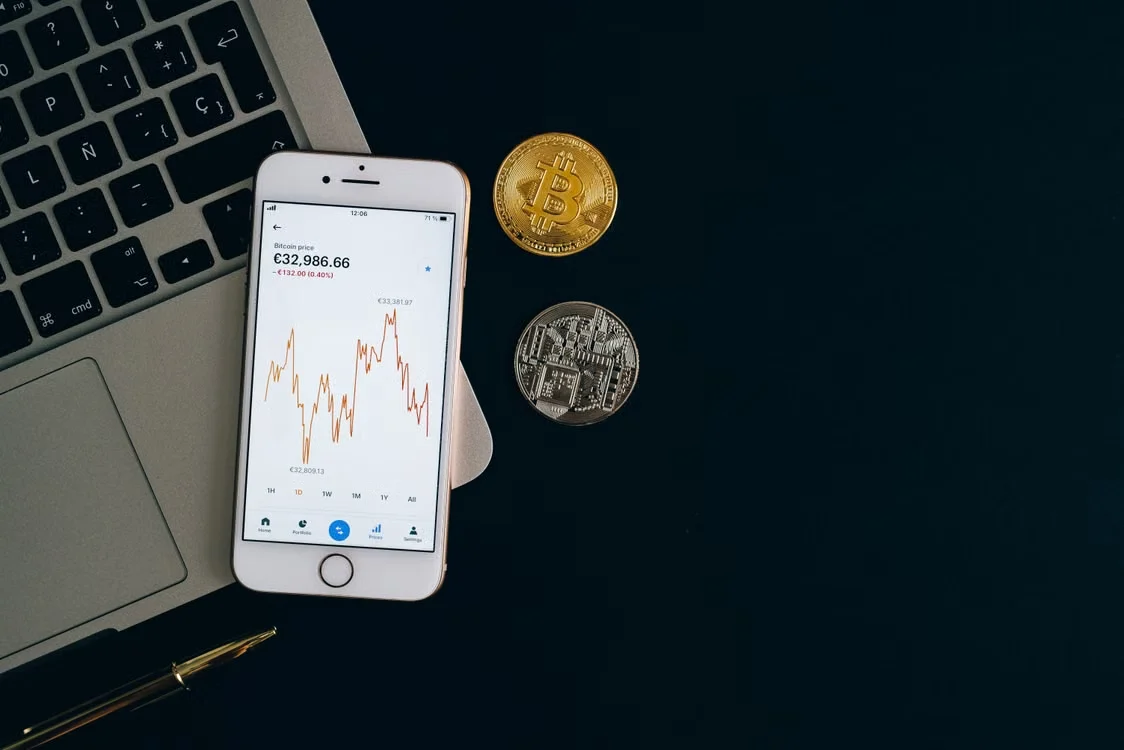
Ever tried to pay for a hotel room with Bitcoin?
Ten years ago asking that question got you a weird look. Today it gets you a confirmation email in four minutes.
Something has silently changed about how people fund travel, and most travellers haven’t caught on.
Here’s the short version:
- Crypto holders are booking more trips
- Booking platforms are racing to accept them
- The old payment rails suddenly look very slow
Here’s what is actually going on…
Here’s what’s covered:
- Why Crypto Travel Booking Took Off
- What Changes When You Pay With Bitcoin
- How Booking Platforms Are Being Rebuilt
- The Risks Nobody Talks About
- Booking A Trip With Digital Currency
Why Crypto Travel Booking Took Off
The audience simply got too big to ignore.
There were 741 million crypto owners tracked by Crypto.com’s year-end market sizing report in 2025. Crypto ownership grew 12.4% YoY. That’s a lot of disposable income pooled in crypto wallets. And it’s itching to spend those coins on something tangible, like a vacation somewhere nice.
Booking platforms noticed, and they moved quickly.
Crypto travel booking used to be one sketchy website and a prayer. Now it’s a handful of trusted platforms where you can book hotel with crypto easily. Websites that accept Bitcoin to book hotels have hundreds of thousands of properties. Payment at checkout is just as easy as with a credit card. Choose your room, choose Bitcoin (or any coin), confirm your booking. Booking hotels with crypto is not a gimmick link at the bottom of a payments page. It’s right beside Visa and Mastercard.
What’s better is that these aren’t tiny bookings either. Travel and hospitality currently make up 14% of crypto transactions and crypto payments are averaging around 30% higher spends than traditional payment methods.
Bigger baskets. Fewer chargebacks. No wonder platforms moved fast.
What Changes When You Pay With Bitcoin
On the surface, nothing. The booking flow looks familiar.
Underneath, almost everything is different.
It Ignores Borders
A card payment travels thru many middlemen before it arrives. Bank, card network, conversion desk, merchant’s processor… All skim a bit and introduce latency.
With a crypto payment you bypass most of that. Someone in Lagos and someone in Lisbon send the identical transaction to the same wallet. There is no “oops sorry your card got declined because you’re abroad” moment. This is literally the most infuriating thing that can happen while standing in line at an airport.
It Ignores Bank Hours
Blockchains do not close on Sundays. They do not take bank holidays either.
Book a late-night room at 11pm on a holiday. Your payment is processed within minutes, not Tuesday when a clearing house opens. If you ever travel at the last minute, that’s reason enough to switch.
It Costs Less To Move
Payment processing takes approximately 2-3% of every booking made for travel. Settling in crypto costs a fraction of that percentage.
Some of that gets kept by the platform itself. Much of it is paid back to travellers in the form of discounts, better rates or reward tokens. This is why crypto-friendly sites can usually offer cheaper rates than the legacy players for the same room.
How Booking Platforms Are Being Rebuilt
This is where things get genuinely interesting.
Accepting Bitcoin was step one. Decentralizing the platform around cryptocurrency is step two, and it’s already in progress.
Stablecoins Do The Heavy Lifting
Most people assume crypto travel booking means Bitcoin only. It doesn’t.
Payments made with stablecoins account for most crypto payment volume now. These cryptocurrencies are backed by fiat currencies like the US dollar. Doing this addresses the largest gripe users had when paying with digital assets:
- The price you see is the price you pay
- The value doesn’t move overnight
- Hotels get paid an amount they can actually forecast
Bitcoin is held. Stablecoins are spent.
Loyalty Programmes Got Interesting
Traditional loyalty points live behind closed brand doors. You earn them with an airline, redeem them with that airline, and forfeit them if you go awhile.
Rewards-as-a-Token are different. They reside in a wallet, are tradeable, and have intrinsic value outside of the issuing platform. That’s a game changer for loyalty programs.
Airports And Airlines Joined In
Crypto payment is spreading well beyond hotel rooms.
Dubai Duty Free became the region’s first airport retailer accepting crypto at the checkout in 2026. This followed Dubai’s initiative encouraging cashless living. Private aviation adopted digital currencies even more rapidly; charter operators noted crypto made up a significant portion of flight proceeds.
Hotels, flights, transfers, duty free… You can now pay for your whole trip cashless.
The Risks Nobody Talks About
Time for some honesty. Crypto travel booking is not perfect.
Volatility bites again. Buy a $2,000 vacation with Bitcoin, then Bitcoin doubles in value three months later. Ouch. That trip doesn’t feel so cheap now. Enter stablecoins. The majority of experienced crypto travelers both own Bitcoin and use stablecoins to spend specifically for this reason.
Refunds are harder. Transactions on the blockchain are permanent. No chargeback button and no bank to dispute on your behalf. Read the cancellation policy before booking and check if refunds are issued as crypto or store credit.
Tax gets messy. For many jurisdictions, spending crypto is considered disposal of an asset which can create a capital gains event. Record keeping is important, talk to your accountant familiar with digital assets.
None of these are dealbreakers. They are just things worth knowing before hitting confirm.
Booking A Trip With Digital Currency
Ready to try it? The process is simpler than most people expect.
- Pick a service that takes crypto directly. Receiving crypto straight into your wallet beats using a third party gift card conversion service any day of the week.
- Choose which coin to spend with. Choose stablecoins if you need price certainty. Choose Bitcoin if you want to spend your appreciated balances.
- Watch the rate lock window. Rates are typically locked for 10-15 minutes on most platforms. Complete payment within that timeframe.
- Send the full amount. Requesting change of a couple of cents can tie up a booking for hours.
- Make note of the transaction hash. That is your receipt, and it proves your case should any dispute arise in seconds.
- Confirm with the property. Send them a quick email. You don’t want any embarrassing confrontations at the front desk.
Do it once and the second booking takes two minutes.
The Bottom Line
Digital currencies are not replacing credit cards in travel. That is not the point.
They are eliminating pains travelers have accepted for years: conversion fees, declined cards when traveling abroad, slow settlement and points locked within one brand.
Here’s what it comes down to:
- Crypto ownership is growing fast, and those users book bigger trips
- Stablecoins fixed the volatility problem that held adoption back
- Fees and settlement times are far lower than traditional rails
- The risks are real but manageable with a little planning
Travel was always going to be an early adopter for digital currencies. It’s global, high ticket, and involves people sending money across borders daily.
The ones who woke up early to that reality are booking platform winners already. Everyone else is playing catch up.