Danbury, Connecticut, is a growing city where busy roadways, active commercial districts, and thriving neighborhoods bring thousands of people together each day. With constant traffic, construction activity, and public spaces in regular use, serious accidents can happen without warning, leaving injured individuals facing medical decisions, financial uncertainty, and questions about their legal options. While physical recovery often becomes the priority, preserving the right information from the beginning can also influence how a claim develops in the months ahead.
Different documents tell different parts of the story, from the circumstances surrounding the accident to the lasting effects on work, family life, and future care. People pursuing Danbury accident injury legal representation often discover that organized records provide a stronger foundation for evaluating losses and responding to challenges raised during the claims process. Understanding which materials deserve attention early can help families avoid preventable setbacks while preparing for the legal and financial issues that may follow.
Early Records
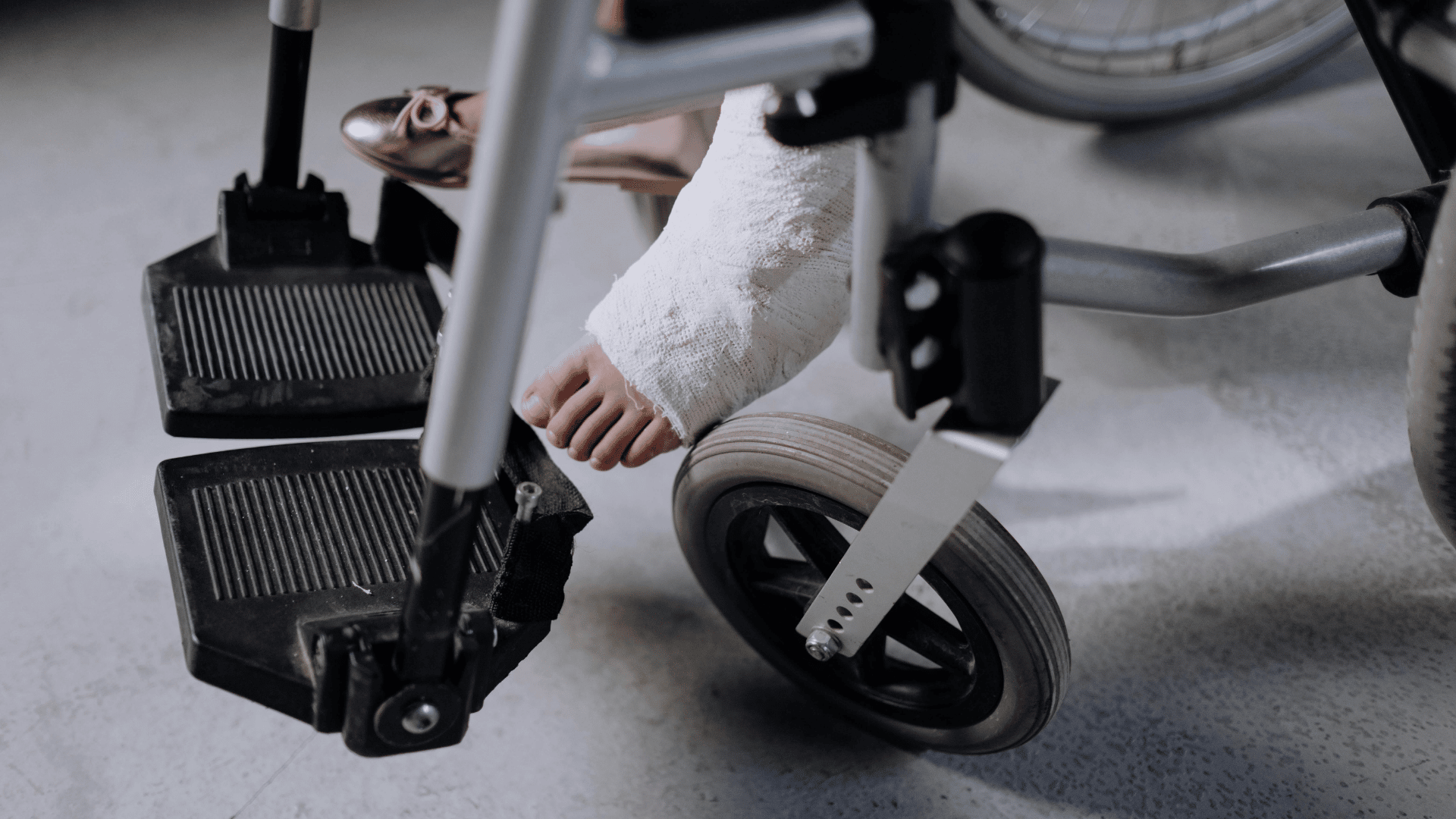
In the first days, prompt reporting matters. A person seeking legal representation often benefits from preserving every early record, including intake forms, discharge papers, and claim numbers. Those items create a timeline that links the event to care later. Delays can invite doubt. Quick, orderly collection helps lawyers, doctors, and adjusters compare facts without relying on fading recall alone.
Medical Proof
Medical records do more than confirm injury. They show symptoms, diagnosis, treatment plans, restrictions, referrals, and expected recovery. Emergency notes matter, yet follow-up visits often carry equal weight because they trace pain over time. Pharmacy receipts, imaging reports, surgical recommendations, and therapy logs also help. You should save appointment summaries and doctor restrictions the same day. When those records match one another, the claim appears grounded and harder to dismiss as exaggerated or unrelated.
Scene Evidence
Photos and video preserve details that change quickly. Skid marks fade, bruises shift color, vehicles move, and hazards get repaired. Wide shots set location, while close images capture damage, debris, blood, casts, and visible swelling. Phone metadata can help confirm timing. Short clips with ambient sound may also reveal traffic flow, weather, lighting, or warning failures that written descriptions can miss.
Witness and Official Accounts
Independent witnesses can steady a claim when parties disagree. Gather names, phone numbers, and summaries early. Police reports, incident reports, and emergency response records add another layer, even when they contain minor errors. Those documents can identify vehicles, employers, weather, addresses, and involved people. If a correction is necessary, you should keep a dated request and supporting proof with the main file.
Loss Tracking
A serious claim also needs money records. Medical bills, mileage logs, parking receipts, repair invoices, prescription costs, and replacement service expenses help measure economic loss. Pay stubs and tax records can show missed income, while employer letters may confirm hours lost or light-duty limits. Bank statements can verify payments when receipts disappear. A simple spreadsheet can connect each expense to a date, provider, and related symptom, which keeps the demand credible.
Daily Notes
A daily journal can capture details formal records miss. Short entries should note pain levels, sleep problems, missed events, mobility limits, medication effects, and emotional strain. Specific examples are stronger than broad complaints. A note stating that stairs required help or a child could not be lifted is clearer than saying the day felt bad. Consistent entries can support noneconomic loss claims.
Household Impact
Serious injuries often shift routine tasks onto relatives or paid helpers. Receipts for childcare, cleaning, rides, lawn care, or meal delivery can show practical effects outside treatment rooms. Family calendars may also mark canceled trips, school events, or home duties. Those details matter because they show how the injury changed daily living, which supports a fuller picture of harm and disruption.
Preservation Steps
Solid evidence can get lost through harmless mistakes. Social posts, damaged property disposal, phone resets, or missed appointments may create avoidable problems. Store clothing, helmets, car parts, and faulty products when possible. Backup copies of photos, bills, and messages are also wise. A dated folder system, arranged by source and month, helps prevent confusion when settlement talks or trial preparation begin.
Expert Support
Some cases need stronger technical proof. Surgeons, crash analysts, life care planners, and vocational specialists may explain issues that basic records cannot. Their reports can address future treatment, lost earning capacity, impact forces, or permanent limits. Expert opinions work best when the underlying file is complete. Missing scans, absent wage records, or unclear timelines can weaken even a helpful professional assessment.
Conclusion
Solid documentation does not make an injury claim aggressive. It makes the case believable. Strong files show a clear chain from incident to injury, to treatment, to loss. That chain helps decision makers value pain, expense, and future needs with less guesswork. When you gather records early, update them often, and store them in one place, a serious case stands on evidence, which is where fair compensation arguments carry the most force.