Abuse often extends far beyond physical harm because many abusive partners intentionally isolate the people they target from friends, family members, coworkers, and community support. This isolation is rarely accidental, as it is a calculated strategy designed to increase dependence and reduce the likelihood that someone will recognize the warning signs or offer assistance. Understanding these tactics is essential to protecting survivors and helping them reconnect with trusted sources of support before the abuse becomes even more severe.
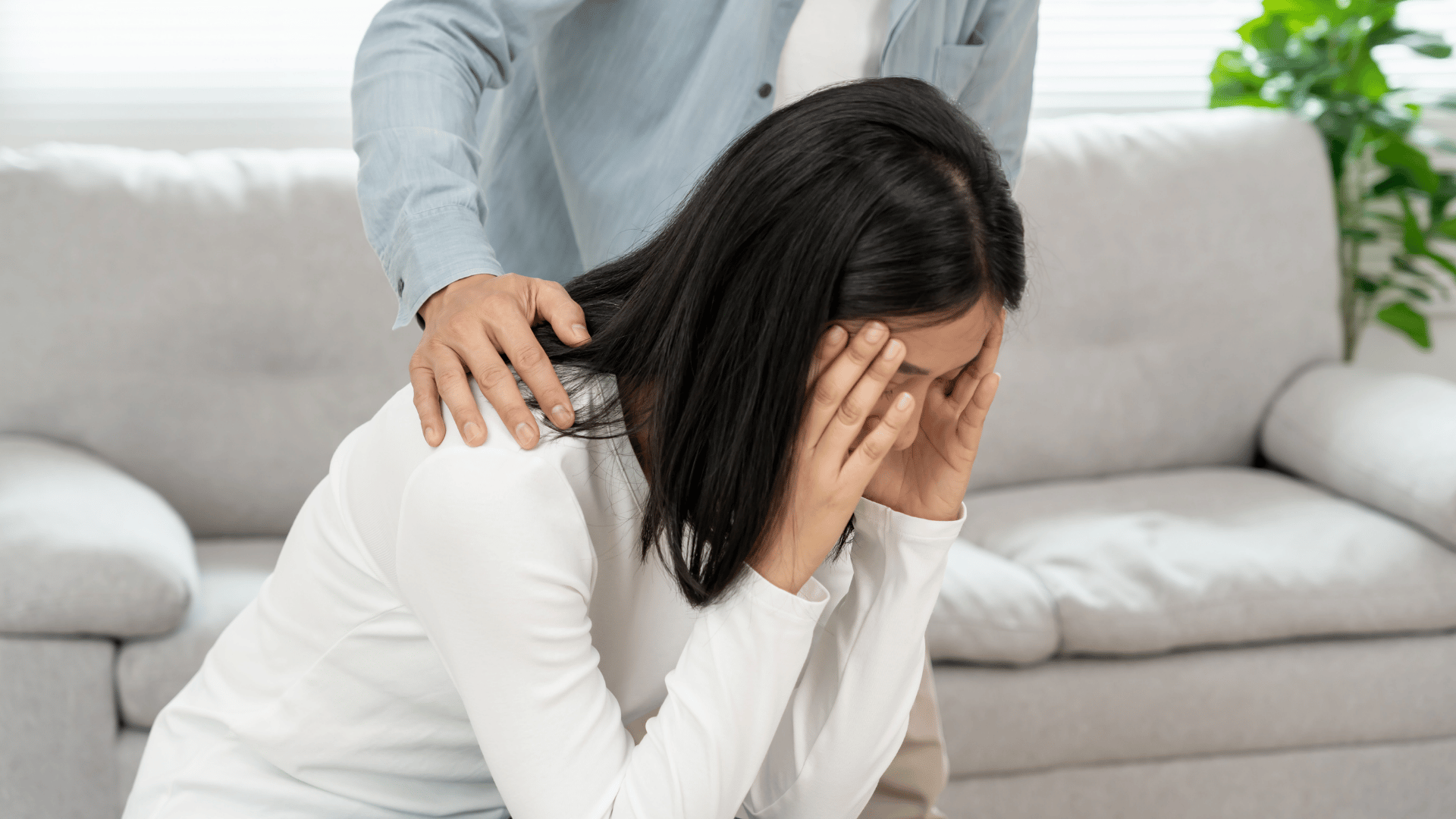
Isolation Often Begins in Subtle Ways
There are a lot of cruel relationships that don’t start with clear attempts to keep someone away from their family and friends. Instead, a violent partner might show jealousy, question friendships that have been around for a long time, or say that family members are bad influences. At first glance, these actions might look like signs of love or care, which makes it hard for survivors and those close to them to recognize that the person is being controlling.
As time goes on, these requests often turn into expectations instead of suggestions. The violent partner might complain when plans are made to see friends, start fights before family events, or demand that they always be reached while the survivor is away. Eventually, keeping up connections with people outside of the group becomes emotionally draining, and many survivors pull away just to avoid conflict.
This process happens slowly and helps the abuser because as outside connections decrease, there are fewer chances for someone else to notice bad behavior. Isolation also makes survivors less sure of their own decisions because they don’t get to talk to people regularly who could give them advice or comfort. It can be harder to rebuild relationships later on if this pattern continues for a long time.
Emotional Manipulation Replaces Healthy Support
Once someone is alone, they are often emotionally manipulated into not getting help. Abusive partners may say over and over that no one else thinks about them or that family members criticize or reject them behind their backs. Being exposed to these messages over and over again can change how survivors see the people they used to trust.
Some abusers make it hard for survivors and the people who help them by sharing false information or encouraging misunderstandings. Others listen in on calls, texts, or social media posts to stop people from having private conversations. By doing these things, they reinforce the idea that asking for help will only make things worse.
Fear is another big reason why people stay alone. People who have been abused may be afraid that asking for help will lead to revenge, make the abuse worse, or put children and loved ones in more danger. Threats that make staying quiet seem like the best choice often make these fears worse.
Financial and Practical Dependence Increases Isolation
Control often includes money issues, which makes it harder for survivors to stay independent. An abusive partner may limit access to bank accounts, restrict employment opportunities, or closely monitor every purchase. If you don’t have enough money, it might seem impossible to leave an abusive situation.
Transportation could also be used as a way to keep people in line. An abusive partner might not let someone use a car, stop them from getting a driver’s license, or closely watch their travels outside of the home. It may get harder and harder to even go to medical visits, counseling sessions, or community events.
Technology can make this feeling of being alone even stronger. Some partners who are cruel keep an eye on their partners’ phones, the internet, or personal accounts by demanding passwords. Survivors may not talk to the people who could really help them when they think their conversations are being listened to.
Why Strong Support Networks Matter
When people are in supportive relationships, they often feel validated emotionally, which can counteract the distorted messages that survivors hear from violent partners. People close to the survivor, like family, friends, coworkers, teachers, religious leaders, and health care professionals, may notice changes in their behavior or signs of stress that they have learned to hide over time. Talking to someone with compassion can help them feel better about themselves and remind them that good relationships are built on respect, not control.
Support networks also help survivors find useful resources they might not have known about otherwise. Advocates, counselors, emergency shelters, lawyers, and victim assistance programs in your area can help you make safety plans that are tailored to your specific needs. Having access to many different kinds of help often makes things safer and helps people heal more quickly.
Communities should also recognize that isolation does not always mean someone has chosen to distance themselves from others. Repeatedly reaching out with patience, empathy, and understanding may reassure survivors that support remains available whenever they feel ready. Consistent encouragement without judgment can make an important difference over time.
Recognizing the Warning Signs Early
It is possible to detect isolation before it is complete. Friends may notice that someone cancels plans at the last minute, doesn’t answer their phone, or seems worried about being away from their partner. These changes don’t always mean abuse, but they should be carefully looked at instead of being taken as a sign of abuse.
Other warning signs include excessive monitoring by a partner, restrictions on communication, unexplained absences from social gatherings, or constant requests for permission before making ordinary decisions. These actions usually show patterns of controlling others through force rather than good relationship dynamics. When these trends are noticed early, trusted people can offer help before isolation gets even worse.
Education also plays an important role in protecting survivors from prolonged abuse. As groups learn more about how influence, fear, and isolation work together, they are better able to spot warning signs and respond with kindness instead of criticism. Knowledge-based support can help survivors feel better about themselves and reconnect with people who truly care about their well-being.
Conclusion
Abusive partners frequently isolate survivors because separation from trusted relationships makes control easier to maintain and escape more difficult to achieve. Recognizing these tactics allows families, friends, professionals, and communities to respond with greater awareness and empathy while encouraging safe pathways to assistance. Rebuilding supportive connections is often one of the most important steps toward healing, independence, and long-term safety.