| Summary: Marble cutting blades lose performance faster when heat, pressure, and cutting conditions are not controlled properly. Blade life depends on stable operation, proper cooling, correct material matching, and regular maintenance. When handled correctly, a marble cutting blade delivers cleaner cuts, reduces edge damage, and maintains more consistent performance across fabrication work. |
Marble cutting is not just about getting through the material.
It’s about maintaining edge quality while keeping the blade stable under continuous friction. The problem is that many blade issues start long before the operator notices a slower cut.
Heat builds gradually. Segments begin wearing unevenly. Pressure increases to compensate. Then, the cutting quality drops with it.
That’s where maintenance changes the outcome.
A marble cutting blade performs best when operating conditions stay controlled from the start. The goal is not simply to make the blade last longer. The goal is to maintain consistent cutting performance without creating unnecessary stress on the tool.
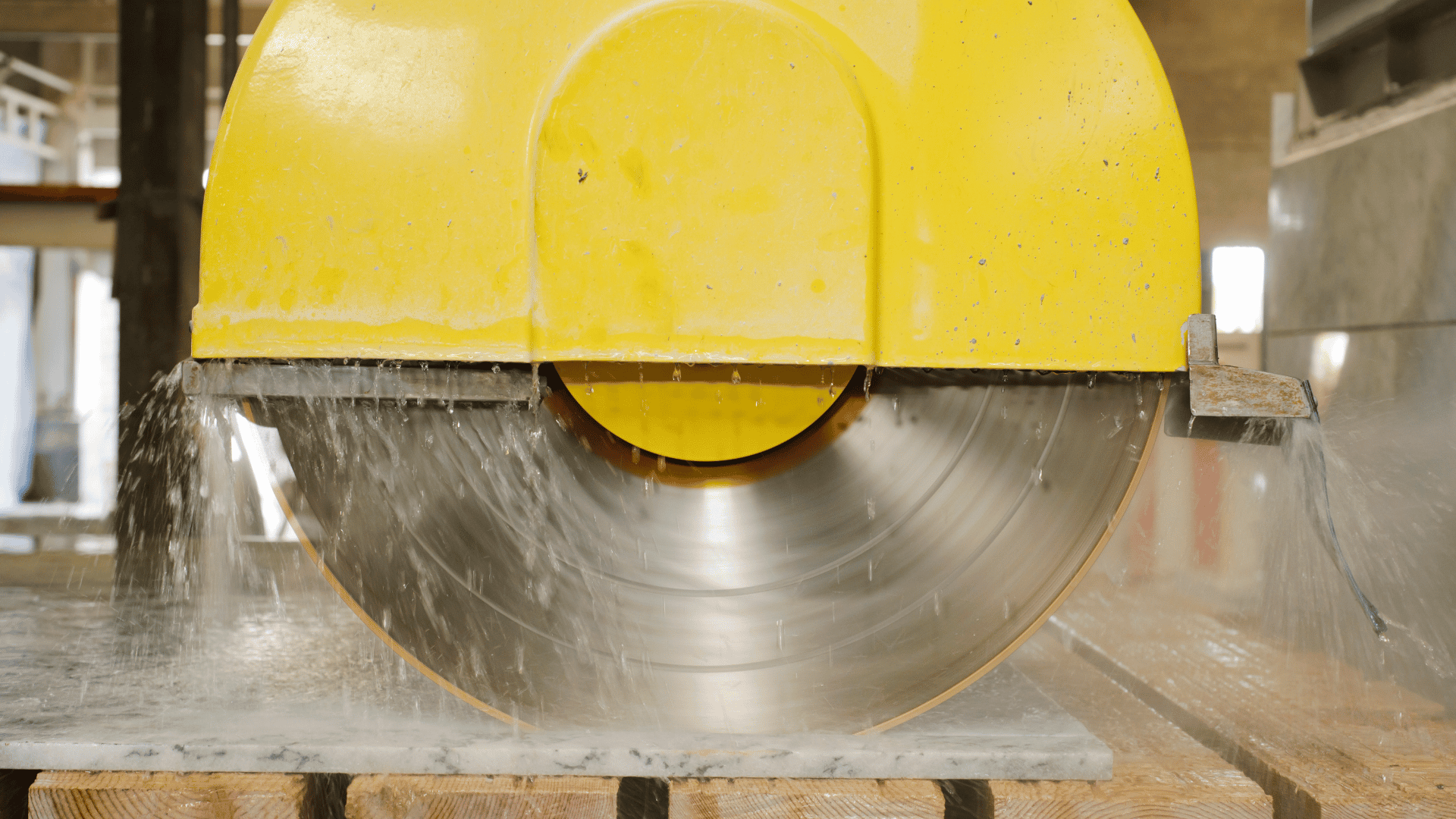
Maintenance Tips for Longer Tool Life
1. Match the Blade to the Material
Not every marble slab cuts the same way.
Some marble is softer and more porous. Some are dense and abrasive. Using the wrong blade forces the segments to work under the wrong conditions from the beginning.
Why it matters:
- Incorrect bond hardness increases wear
- Softer marble can glaze the blade faster
- Dense material creates more heat during cutting
- Cutting speed becomes inconsistent
Operators sometimes try to use one blade across multiple materials to simplify the workflow. That usually creates the opposite result.
The blade either wears too quickly or stops cutting efficiently because the bond and diamond exposure no longer match the material.
At Tait Sales & Consulting LLC, marble cutting blades are selected based on actual fabrication conditions, not just blade size or machine compatibility.
2. Control Heat During Operation
Heat is one of the biggest reasons marble blades fail early.
Every cut creates friction between the blade and the stone surface. If the temperature rises too quickly, the bond holding the diamonds begins breaking down faster than intended.
Why it matters:
- Excess heat weakens segment retention
- Blade glazing happens faster
- Cutting speed drops during operation
- Edge quality becomes harder to maintain
This becomes more noticeable during long continuous cuts where the blade never has time to cool properly.
Wet cutting helps control temperature while flushing slurry away from the cutting edge. But cooling only works if water flow remains consistent throughout the cut.
Intermittent cooling usually creates unstable blade conditions instead of improving performance.
3. Avoid Forcing the Blade Through the Cut
Pressure does not solve cutting problems.
When a blade starts slowing down, operators often compensate by pushing harder into the material. That increases stress on the blade core and creates more heat at the cutting surface.
Why it matters:
- Segment wear increases faster
- Blade stability decreases
- Chipping becomes more common
- Warping risk increases during long cuts
A properly functioning marble blade should cut steadily without aggressive force.
If constant pressure is required to maintain speed, the problem is usually:
- incorrect RPM
- poor cooling
- blade glazing
- worn segments
Adding more force only accelerates wear.
4. Keep RPM and Feed Rate Stable
Blade speed affects more than cutting speed.
If RPM is too high, the blade overheats quickly. If the feed rate becomes inconsistent, the blade starts bouncing or grabbing during the cut.
Why it matters:
- Stable speed improves edge quality
- Controlled feed reduces vibration
- Less vibration improves segment life
- Smoother cutting creates more consistent results
Large marble slabs especially require controlled movement across the entire cut length. Sudden changes in feed pressure create uneven wear patterns that shorten blade life over time.
The goal is to maintain steady engagement with the material instead of aggressive cutting.
5. Watch for Blade Glazing
Marble can cause glazing faster than many operators expect.
Because marble is less abrasive than granite, the blade bond may stop exposing fresh diamonds efficiently. The blade still spins normally, but cutting performance drops significantly.
Why it matters:
- The blade cuts more slowly
- Heat buildup increases rapidly
- Operators apply more pressure
- Surface finish becomes inconsistent
Common signs include:
- slower cutting
- burn marks
- smoother segment surface
- Higher cutting noise
This is where many blades get damaged unnecessarily.
Operators continue forcing the cut instead of addressing the glazing problem itself.
Dressing the blade properly restores diamond exposure and improves cutting efficiency before additional wear develops.
6. Clean the Blade After Use
Slurry buildup affects blade performance more than most shops realize.
Marble residue collects around the segments and core during cutting. If that material hardens, the next operation starts with additional friction already present.
Why it matters:
- Debris traps heat around the blade
- Cooling becomes less effective
- Segment exposure decreases
- Blade balance can become uneven
A blade that feels dull is not always worn out. Sometimes the cutting surface is simply overloaded with buildup from previous cuts.
Cleaning the blade after operation helps maintain more stable cutting conditions during the next job.
7. Store Blades Correctly Between Jobs
Blade condition changes during storage, too.
Improper storage exposes blades to moisture, accidental impact, and unnecessary stress against other tools or metal surfaces.
Why it matters:
- Moisture increases corrosion risk
- Impact damages segment edges
- Bent blades cut unevenly
- Poor storage affects long-term stability
This becomes more common in busy fabrication shops where blades move constantly between machines, workstations, and transport areas.
Blades should be stored dry, protected, and secured flat when not in use.
Good cutting performance starts before the next cut even begins.
Final Thought: Blade Life Depends on Operating Conditions
Marble cutting blades are designed for precision work. But precision only lasts when cutting conditions stay controlled.
Most blade problems start with small operational issues:
- unstable feed rates
- excessive pressure
- poor cooling
- inconsistent handling
Over time, those conditions reduce cutting efficiency and increase unnecessary wear.
Even high-quality blades lose cutting efficiency quickly when feed pressure, cooling, and RPM are not controlled consistently.
At Tait Sales & Consulting LLC, marble cutting blades are selected for fabrication environments where consistency, edge quality, and long-term reliability matter under real working conditions.
FAQs
- What causes marble cutting blades to wear out quickly?
Excessive heat, unstable cutting speed, poor cooling, and excessive pressure are the most common causes.
- Why is wet cutting important for marble blades?
Wet cutting helps control temperature and removes slurry from the cutting area during operation.
- What is blade glazing?
Glazing happens when the blade bond stops exposing fresh diamonds efficiently, reducing cutting performance.
- Does excessive pressure damage marble blades?
Yes. Excess pressure increases heat, vibration, and uneven segment wear during cutting.
- Why should marble cutting blades be cleaned after use?
Cleaning removes slurry buildup that can reduce cooling efficiency and increase friction during future cuts.