Every developer knows the frustration of a slow environment. Clean code still crawls during testing. Builds drag. Databases choke on basic queries. User simulations trigger timeouts.
Standard cloud hosting or shared servers are affordable and easy to set up. But as projects grow, those platforms push back. After migration, everything changes quickly.
Quick Answer: What do developers notice first after switching to a high-performance dedicated server?
Developers usually notice faster builds, more stable performance, better database response, full root access, industrial cyber attack recovery, stronger security control and no “noisy neighbor” slowdowns. A high-performance dedicated server gives development teams isolated CPU, RAM, NVMe storage and network resources for heavy workloads, application testing and production-like environments.
1. The Instant Disappearance of “Noisy Neighbors”
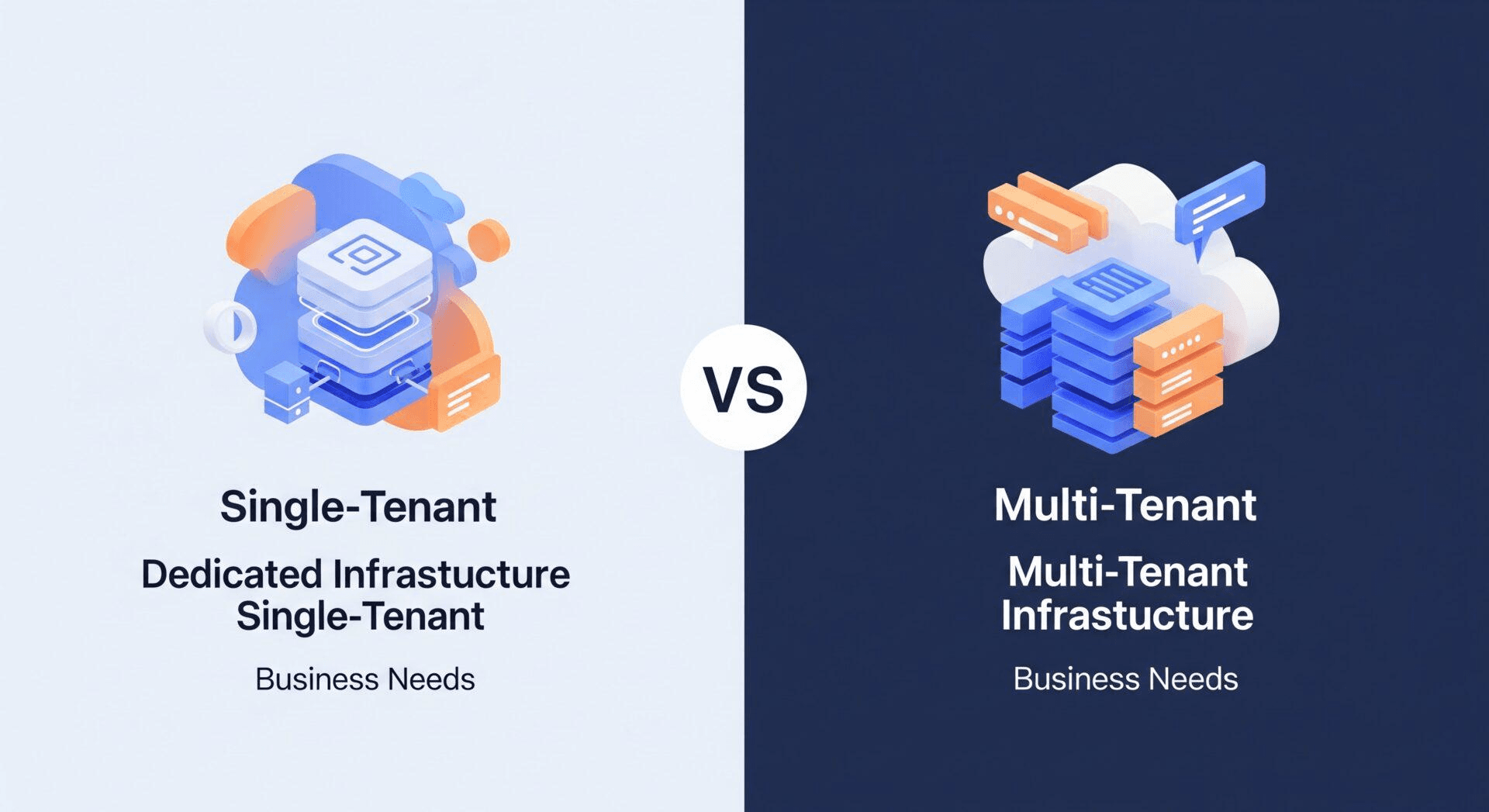
In a shared setup, you share physical hardware with other users. Another website might get a traffic spike. Your environment suffers. This is called the “noisy neighbor” effect. It steals CPU power and chokes RAM.
A dedicated machine removes this bottleneck. You get 100% of the processing power, memory and storage bandwidth. Your server might use an AMD EPYC or Intel Xeon processor. If it does, every megabyte belongs to you. Heavy workloads feel instantly stable.
| Feature | Shared Hosting | VPS | High-Performance Dedicated Server |
| Resource ownership | Shared | Virtually allocated | Fully dedicated |
| Noisy neighbor risk | High | Lower | None |
| Root access | Limited | Usually yes | Full control |
| Build performance | Weak for heavy projects | Better | Strongest |
| Database testing | Limited | Moderate to strong | Best for large datasets |
| Best for | Small websites | Growing apps | Developers, SaaS, databases, CI/CD, high-load apps |
2. Lightning-Fast Compiles and Build Times
Waiting for code to compile is expensive. The U.S. Bureau of Labor Statistics reports a median software developer salary of $133,080 per year. On weak cloud environments, a complex build can take 10 to 15 minutes. That turns slow infrastructure into a budget problem, not just a technical one.
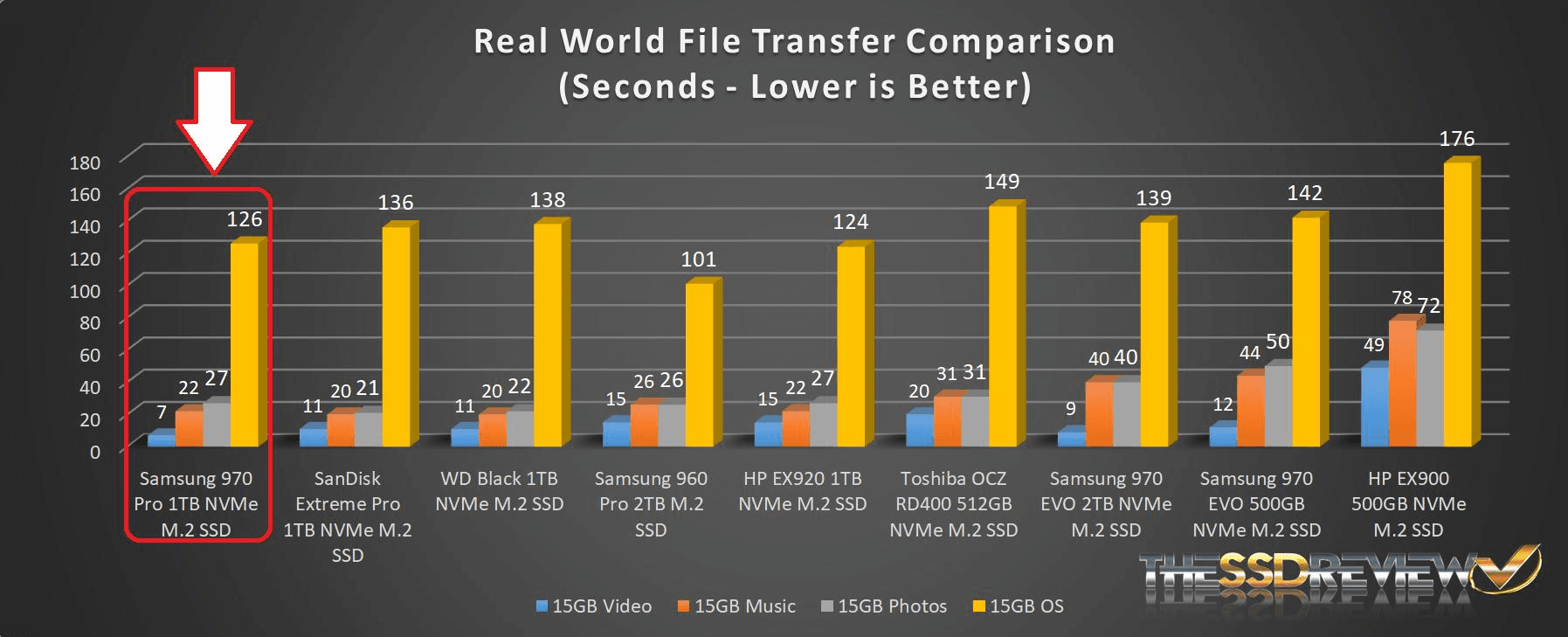
Dedicated servers use bare-metal hardware and fast NVMe flash storage. There is no middle layer slowing down your disks. Read and write speeds are fast. Build pipelines finish quickly. Test suites finish in a fraction of the time too. You can test faster, so your workflow speeds up.
| Metric | Why It Matters |
| Build time | Shows how fast code compiles and deploys |
| Test suite duration | Measures developer workflow speed |
| CPU utilization | Shows whether workloads are maxing out processing power |
| RAM usage | Helps identify memory bottlenecks |
| Disk read/write speed | Impacts builds, databases and logs |
| Database query time | Shows whether large datasets are slowing down |
| Network latency | Affects APIs, remote users and external integrations |
3. Absolute Freedom Over the Server

Standard hosting platforms often lock you into specific setups. You might want to change core settings, install custom protocols or run KVM virtualization. On shared infrastructure, the answer is usually no.
A dedicated server gives you full root access. You choose the operating system. You can pick Windows Server or a Linux distribution like Ubuntu Pro. You can configure firewall rules, allocate hardware resources and set up preferred control panels without anyone blocking your path.
When Should You Move to a Dedicated Server?
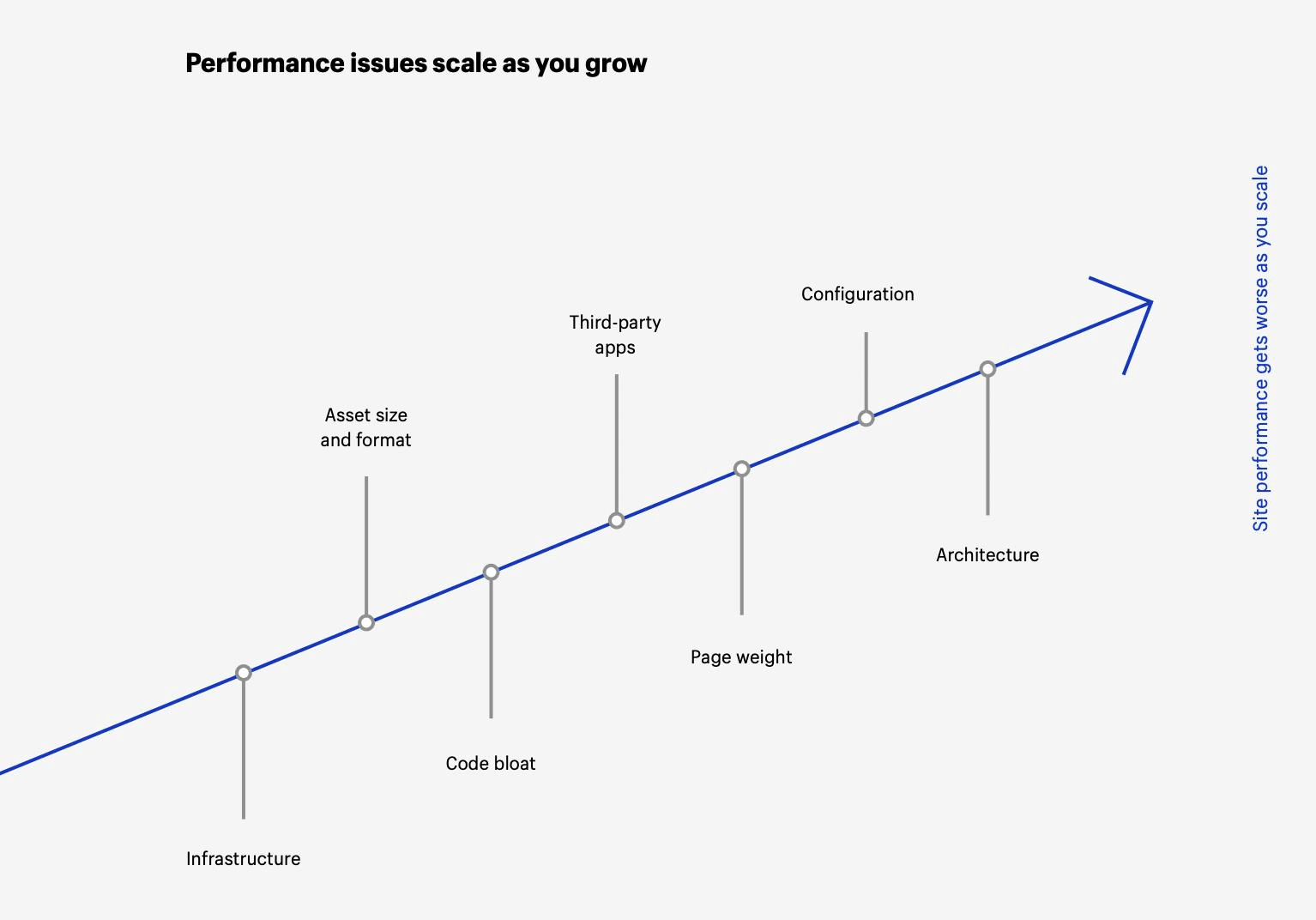
A dedicated server becomes worth considering when:
- Builds and test suites slow down your workflow.
- Databases lag during large queries or imports.
- Shared or VPS environments cannot handle realistic testing.
- Your team needs custom OS, virtualization or firewall settings.
- You are running CI/CD pipelines, SaaS apps, game servers, APIs or production-like staging environments.
- Security, IP reputation and resource isolation matter more than basic hosting cost.
Finding the Right Balance of Cost and Power
Many developers delay upgrading because they assume bare-metal hardware is too expensive. Luckily, modern infrastructure providers make it easier to scale up affordably. You can buy cheap dedicated server options that still offer enterprise hardware, isolated resources and unmetered bandwidth. This allows developers and startups to access raw computing power without high upfront costs.
4. Flawless Handling of Heavy Database Queries

Testing apps with realistic, large-scale databases is hard on standard setups. Large datasets require massive RAM and high-speed disks to retrieve data. Run complex queries on shared resources, and things quickly grind to a halt.
With isolated server hardware, your databases live in fast, dedicated memory. Queries execute instantly. Data writing happens without lag. This lets you simulate production-level workloads inside your testing sandbox.
5. Enhanced Security and Peace of Mind

Data leaks are constant worries. Unauthorized access is a threat too. Sharing a physical server carries a slight risk. Bad actors on the same network node can hurt your security and damage your IP reputation.
Moving to isolated hardware creates a physical security boundary around your projects. By utilizing a reliable dedicated server hosting infrastructure, you solve major performance and security issues at the source. You can implement advanced firewalls, integrate private VPN networks with AES-256 encryption and run automated backups.
6. Zero Network Throttling During Peak Hours

Network lag during deployment hurts. Shared environments frequently throttle network ports to keep usage fair for everyone.
A high-performance dedicated server gives you access to enterprise network pipes. These scale up to 10 Gbps ports. They are backed by strict uptime guarantees, like a 99.99% Uptime SLA. Global datacenter routing keeps latency low. Because of this, applications communicate with external APIs and remote users smoothly.
| Use Case | Why Dedicated Servers Help |
| CI/CD pipelines | Faster builds, tests and deployments |
| SaaS applications | Stable performance under user activity |
| Database-heavy apps | Better RAM and storage speed |
| Game servers | Low latency and dedicated CPU power |
| API platforms | More consistent response times |
| Virtualization labs | Full control over KVM, containers or custom environments |
| Staging environments | Production-like testing without shared resource limits |
Conclusion

Transitioning to a high-performance dedicated server immediately shows its impact for development teams in the United States, Canada, and other regions. Developers notice faster processing speeds, reduced latency, and uninterrupted uptime, enabling them to focus on coding, testing, and deploying applications without operational delays. This enhanced infrastructure doesn’t just improve performance; it supports scalability, ensures reliability, and empowers teams to take on complex projects confidently. Choosing the right dedicated server equips your business with a secure and stable environment that drives efficiency, productivity, and measurable results across all locations.
Ready for faster builds, better performance and complete control? Explore the dedicated servers at DashRDP today.