Cosmetic gynecology used to focus almost entirely on appearance. Patients wanted tighter skin, improved contouring, or surgical correction after childbirth and aging. The procedures worked, but the conversation stopped at aesthetics. That is changing fast.
Today, regenerative medicine is pushing the field in a different direction. The goal is no longer just cosmetic improvement. Surgeons are now focused on tissue quality, healing speed, long-term comfort, and restoring function alongside appearance. Treatments like PRP therapy, laser rejuvenation, and regenerative fat transfer are shifting cosmetic gynecology toward a model that feels closer to wellness medicine than to traditional cosmetic surgery.
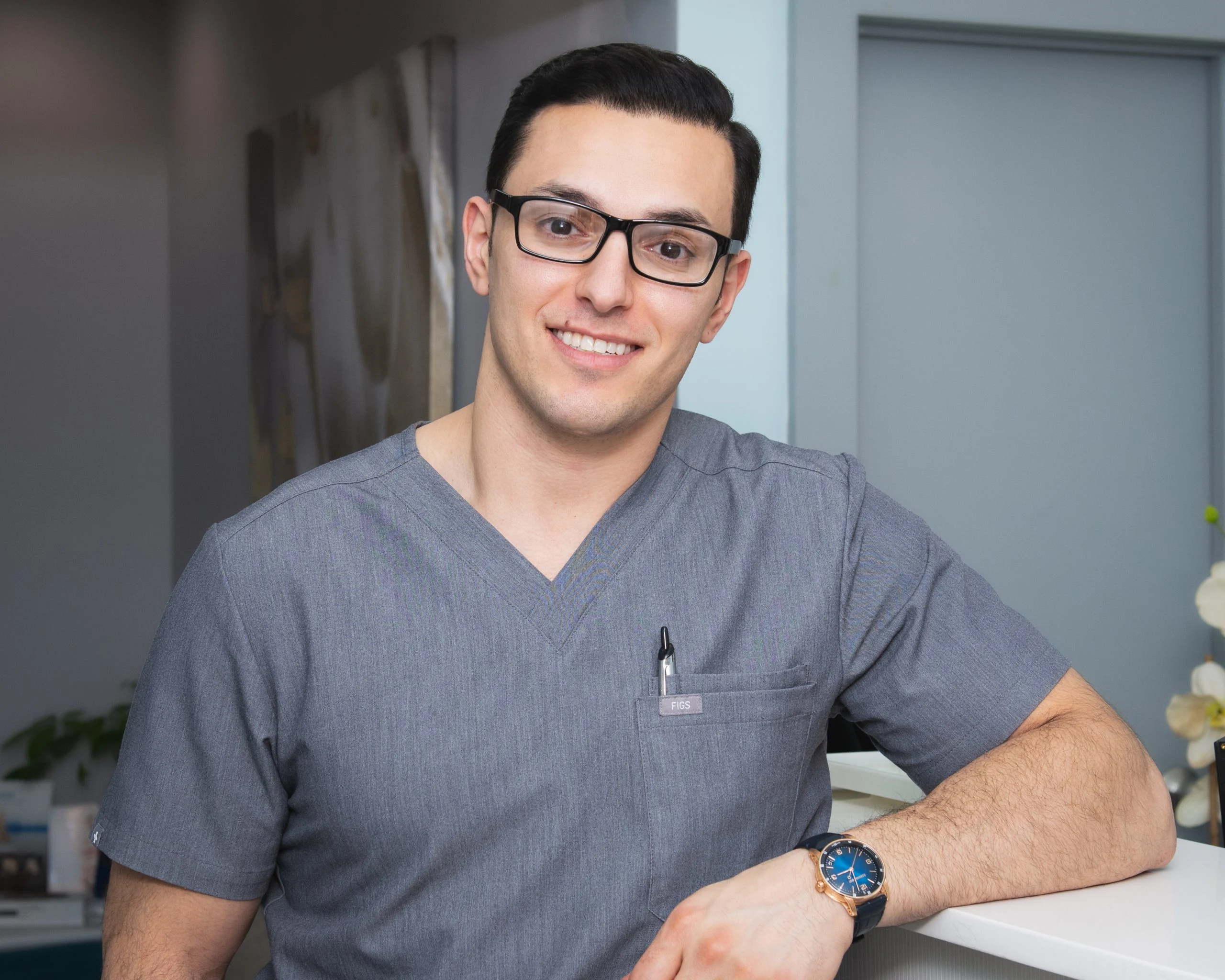
Few physicians have been more involved in that shift than Dr. Ammar Mahmoud, a cosmetic gynecological surgeon and aesthetic specialist known for minimally invasive rejuvenation procedures and regenerative treatment techniques. With a background in biomedical engineering and years of experience in cosmetic gynecology, he has become a recognized voice in procedures designed to improve healing, preserve natural anatomy, and reduce recovery time while still delivering aesthetic results.
“The biggest change I’ve seen is that patients don’t come in asking for surgery anymore,” says Dr. Ammar Mahmoud. “They come in asking how they can feel normal again after childbirth, aging, weight loss, or hormonal changes. The cosmetic result matters, but comfort and confidence matter more.”
Why Regenerative Medicine Fits Cosmetic Gynecology So Well
Regenerative medicine sounds futuristic, but the idea behind it is simple. Instead of removing tissue or forcing dramatic structural changes, regenerative treatments encourage the body to repair and rebuild itself.
That approach works especially well in cosmetic gynecology because the tissue involved is delicate, vascular, and highly responsive to healing-based therapies.
PRP therapy has become one of the most talked-about tools in the field. PRP stands for platelet-rich plasma. A patient’s blood is processed to isolate platelets and growth factors, which are then injected into targeted areas to stimulate collagen production, blood flow, and tissue repair.
In cosmetic gynecology, PRP is often paired with laser treatments, radiofrequency procedures, or minimally invasive surgeries to improve healing and rejuvenation.
Ten years ago, most cosmetic procedures focused on cutting, tightening, or removing tissue. Now physicians are asking a different question: how can the tissue become healthier in the first place?
That shift changes everything about recovery and long-term outcomes.
Faster Healing Is Becoming a Huge Priority
Patients today are not interested in month-long recoveries. They want procedures that fit into normal life. That demand has accelerated interest in minimally invasive and regenerative approaches.
“Years ago, I had patients planning procedures around taking two or three weeks off work,” Mahmoud says. “Now patients are asking if they can pick up their kids the next day or go back to meetings by Friday. That completely changes how you approach surgery.”
Regenerative medicine helps meet those expectations by enabling healthy tissue to heal faster. Better blood flow, improved collagen production, and reduced inflammation all contribute to shorter downtime.
Laser-assisted procedures have also improved precision. Instead of large incisions or aggressive tissue removal, many treatments now target specific layers beneath the skin while preserving surrounding tissue.
That preservation matters. It reduces swelling, lowers the risk of scarring, and creates more natural-looking results.
Patients may not care about the technical details, but they notice the difference when recovery feels manageable instead of disruptive.
Cosmetic Results Alone Are No Longer Enough
One of the biggest shifts in cosmetic gynecology is that patients are talking more openly about function and comfort.
That changes the conversation during consultations.
Many patients seeking vaginal rejuvenation or labiaplasty are not motivated purely by appearance. They are dealing with discomfort during exercise, irritation from clothing, dryness, changes after childbirth, or loss of confidence during intimacy.
Regenerative medicine addresses several of those concerns at once because healthier tissue tends to perform better and look better.
“There’s a patient I remember who was a marathon runner,” Mahmoud says. “She came in convinced she needed major surgery because she was uncomfortable during long runs. After a combination of minimally invasive contouring and regenerative treatment, her biggest comment at follow-up wasn’t about appearance. She said, ‘I finally finished a race without thinking about it every mile.’ That’s the kind of outcome patients actually care about.”
That example highlights why cosmetic gynecology is moving beyond traditional aesthetics. Patients want treatments that improve the quality of life.
The industry is finally catching up to that reality.
PRP Therapy Is Expanding Rapidly
PRP has become popular because it can be combined with many different procedures while adding very little downtime.
In cosmetic gynecology, physicians use it to support healing after surgery, improve tissue elasticity, encourage collagen growth, and help restore hydration and sensitivity.
The appeal is obvious. The treatment uses the patient’s own biological material, avoids synthetic fillers, and works with the body’s healing process rather than against it.
Research is still evolving, but demand keeps growing because patients increasingly prefer treatments that feel restorative instead of artificial.
This trend mirrors what is happening across aesthetic medicine overall. Patients want subtle improvements. They want procedures that age well. They want results that look believable.
Regenerative medicine fits perfectly into that mindset.
Technology Is Making Minimally Invasive Treatments Smarter
The technology behind cosmetic gynecology has improved dramatically in the last decade.
Lasers are more precise. Radiofrequency devices can target deeper tissue layers with less trauma. Imaging systems help surgeons plan procedures more accurately. Recovery protocols are becoming more personalized.
All of that supports the move toward regenerative care.
“We’re seeing fewer situations where aggressive surgery is the best option,” says Dr. Ammar Mahmoud. “A lot of patients can now get meaningful improvement with treatments that preserve tissue instead of removing large amounts of it.”
That approach appeals to younger patients, especially. Many want preventative treatments before problems become severe. They are thinking about long-term tissue health the same way people think about skincare or fitness.
That would have sounded strange in cosmetic gynecology twenty years ago. Now it is becoming normal.
The Future Looks More Personalized
The next phase of cosmetic gynecology will likely become even more individualized.
Instead of standard procedures, physicians are moving toward combinations of treatments tailored to tissue condition, healing capacity, hormonal changes, lifestyle, and long-term goals.
Some patients may need laser resurfacing paired with PRP. Others may benefit from minimally invasive contouring and regenerative fat transfer. The emphasis is shifting toward customization instead of one-size-fits-all surgery.
That evolution reflects a larger change happening across medicine. Patients are becoming more educated, more selective, and more focused on longevity.
Cosmetic gynecology is responding by becoming less aggressive, more precise, and more centered on overall wellness.
The result is a field that no longer treats aesthetics and health as separate ideas. Instead, regenerative medicine is bringing them together in ways that are changing how both physicians and patients think about cosmetic care.