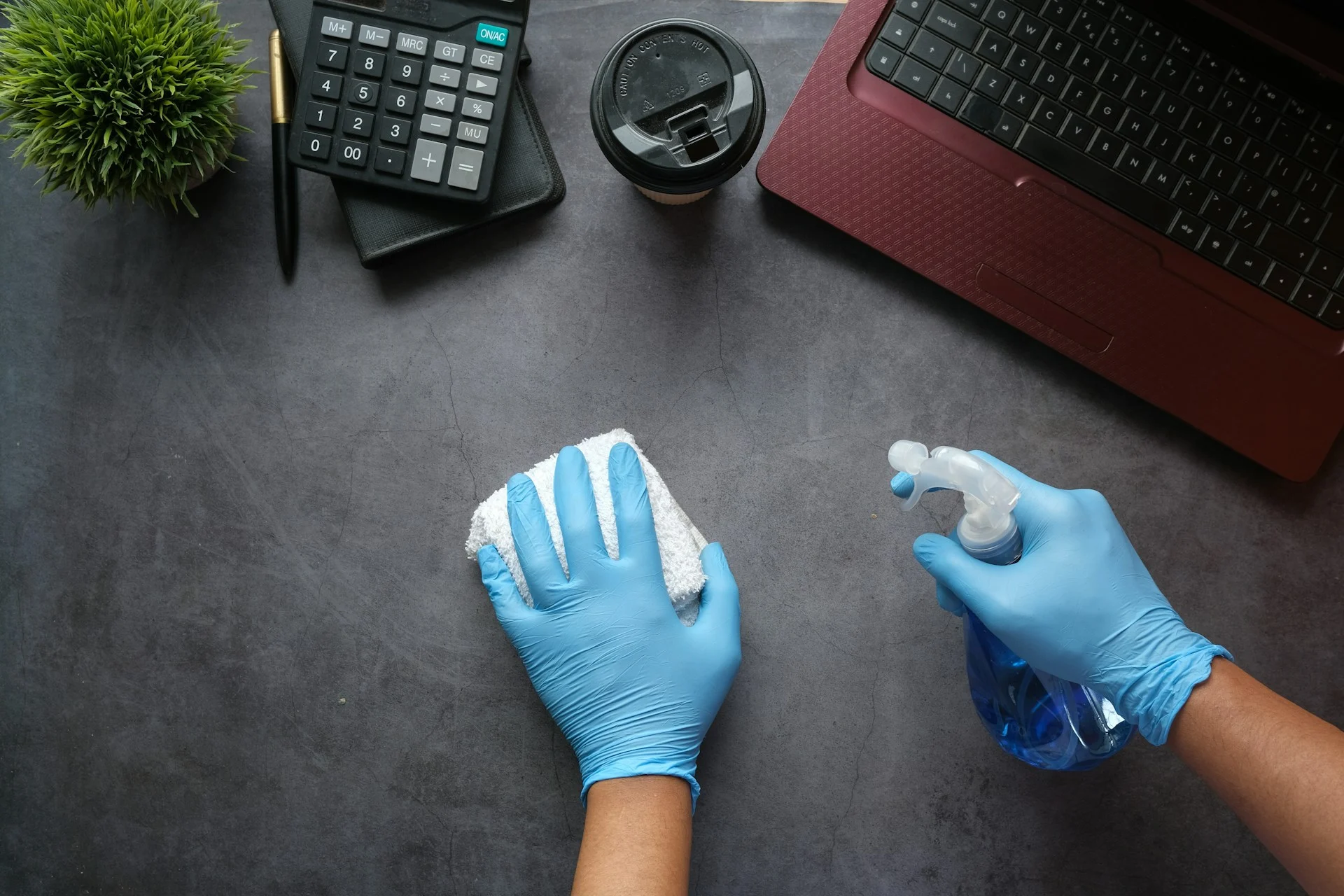
Many business leaders focus on sales, staffing, and technology when evaluating performance, but the condition of their facilities often receives far less attention. For organizations looking to improve workplace cleanliness and maintenance standards, information about professional janitorial services in New Castle can provide valuable insight into how commercial cleaning supports healthier, safer, and more productive business environments. While facility maintenance may seem like a routine operational expense, neglecting it can create hidden costs that affect nearly every aspect of a business.
Productivity Losses Add Up Over Time
A poorly maintained facility can have a direct impact on employee productivity. Dusty workstations, overflowing waste bins, dirty restrooms, and neglected common areas create distractions that make it harder for employees to stay focused on their work.
Employees spend a significant portion of their day within the workplace environment. When facilities are not cleaned consistently, discomfort and dissatisfaction can gradually reduce morale and efficiency, leading to measurable declines in performance over time.
Workplace Health and Absenteeism
Commercial facilities such as offices, schools, medical centers, and warehouses experience constant foot traffic throughout the day. Without proper cleaning and disinfecting procedures, germs and contaminants can spread quickly across shared surfaces.
Increased illness among employees often results in higher absenteeism rates. Even when employees remain at work while feeling unwell, reduced concentration and lower energy levels can negatively affect overall productivity and business outcomes.
Customer Perception and Brand Reputation
First impressions are formed quickly, and the cleanliness of a facility plays a major role in how visitors perceive a business. Dirty floors, stained carpets, unpleasant odors, or poorly maintained restrooms can create an immediate negative impression.
Customers often associate a facility’s condition with the organization’s professionalism. Regardless of the quality of products or services being offered, a neglected environment may cause potential clients to question the company’s standards and reliability.
Increased Long-Term Maintenance Costs
One of the most overlooked consequences of inadequate facility maintenance is the accelerated deterioration of assets. Dirt, dust, moisture, and debris can gradually damage flooring, furniture, equipment, and other building components.
Regular commercial cleaning helps preserve these assets and extend their lifespan. Businesses that delay cleaning and maintenance often incur higher repair or replacement costs that could have been avoided with proactive care.
Safety Risks and Liability Concerns
Facility cleanliness is closely connected to workplace safety. Spills, cluttered walkways, accumulated dust, and poorly maintained surfaces can increase the likelihood of accidents and injuries.
For business owners and facility managers, workplace accidents can result in medical expenses, insurance claims, legal issues, and operational disruptions. Maintaining a clean environment is one of the simplest ways to reduce preventable safety risks.
The Impact on Employee Morale
Employees tend to take greater pride in their work when they operate in a clean and organized environment. A well-maintained facility demonstrates that management values employee well-being and workplace quality.
Conversely, neglected facilities can create frustration and dissatisfaction. When workers feel their environment is being ignored, engagement may decline, ultimately affecting retention and overall workplace culture.
Compliance and Industry Standards
Many industries operate under strict cleanliness and sanitation requirements. Medical facilities, educational institutions, manufacturing sites, and food-related businesses often face regulations designed to protect public health and safety.
Failure to maintain proper cleaning standards can lead to compliance issues, failed inspections, fines, or reputational damage. Consistent commercial cleaning programs help organizations meet industry requirements while maintaining professional operating standards.
Operational Efficiency Depends on Clean Facilities
Facility maintenance is not simply about appearance. Clean, organized spaces support smoother daily operations by reducing disruptions, improving accessibility, and creating a more functional work environment.
Employees can perform their responsibilities more effectively when workspaces are maintained properly. Whether in an office, warehouse, school, or healthcare facility, cleanliness contributes directly to operational efficiency and organizational performance.
Why Professional Cleaning Matters
Many businesses underestimate the complexity of maintaining large commercial facilities. Professional cleaning providers bring specialized equipment, trained personnel, and structured cleaning programs designed to address the unique needs of different industries.
Commercial cleaning services can help ensure consistency across all areas of a facility, from high-traffic entrances and restrooms to workstations, meeting rooms, and shared spaces. This proactive approach helps businesses avoid many of the hidden costs associated with inadequate facility maintenance.
Conclusion
Poor facility maintenance often creates expenses that are not immediately visible on a balance sheet, but their impact can be significant. Reduced productivity, higher absenteeism, damaged assets, safety incidents, compliance challenges, and weakened customer trust can all stem from inadequate commercial cleaning practices. By investing in professional facility maintenance and consistent cleaning programs, business owners and facility managers can protect their operations, support employee well-being, strengthen their reputation, and create an environment that contributes positively to long-term business success.