Sewer line problems are among the most stressful and disruptive issues a property owner can face. Traditional sewer repairs often involve extensive excavation, torn-up landscaping, damaged driveways, and days of major construction work. For many homeowners and businesses, the thought of digging large trenches across the property is almost as concerning as the pipe damage itself.
That is one reason trenchless sewer line repair has become increasingly popular in recent years. This modern repair method allows plumbers and contractors to repair or replace damaged sewer lines with far less excavation than traditional techniques. Although trenchless technology is not appropriate for every situation, it can provide a faster, less invasive, and often more efficient solution for many types of underground pipe damage.
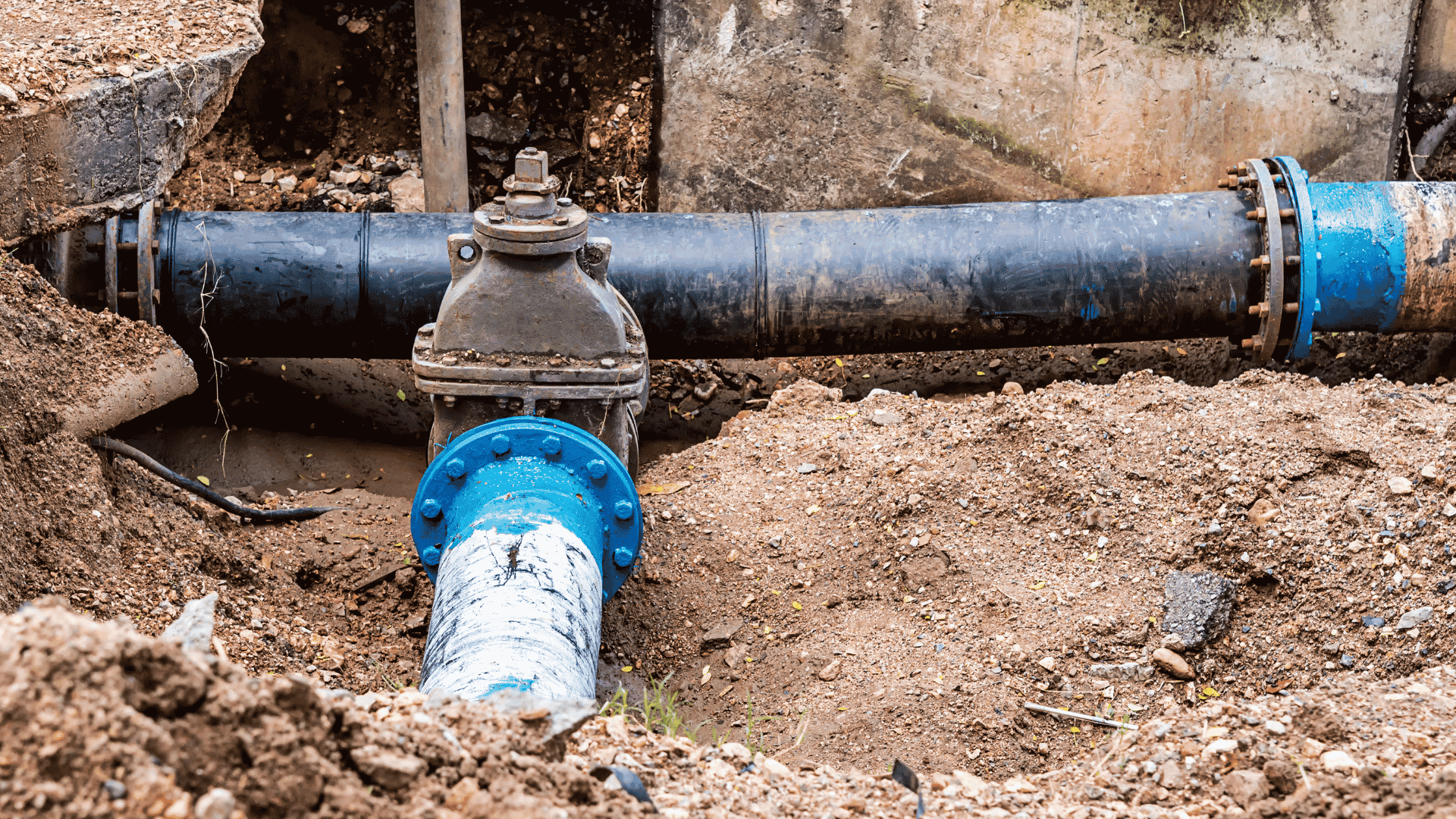
What Trenchless Sewer Line Repair Means
Trenchless sewer line repair refers to a group of repair methods that minimize the need for large-scale digging during sewer line repairs or replacement. Instead of excavating the entire length of the damaged pipe, technicians typically access the sewer line through one or two smaller entry points. Specialized equipment is then used to repair, reline, or replace the pipe underground.
The goal is to restore proper sewer function while reducing damage to landscaping, pavement, flooring, and surrounding property features. This approach has become especially attractive for homeowners who want to avoid major disruption to yards, driveways, patios, or mature landscaping during sewer repairs.
Why Sewer Lines Fail in the First Place
Understanding trenchless repair starts with understanding why sewer lines commonly develop problems. Over time, sewer pipes can crack, corrode, collapse, shift, or become blocked by tree roots and debris. Older pipes made from clay, cast iron, or other aging materials are particularly vulnerable to deterioration.
Ground movement, freezing temperatures, soil pressure, and long-term wear can all contribute to pipe damage as well. When sewer lines fail, symptoms may include slow drains, recurring backups, foul odors, wet spots in the yard, or sewage intrusion inside the property. Because sewer pipes are buried underground, diagnosing the exact problem usually requires specialized inspection equipment such as sewer cameras.
Pipe Lining Is One Common Trenchless Method
One of the most widely used trenchless techniques is called cured-in-place pipe lining, often referred to as pipe lining or pipe relining. In this process, technicians insert a flexible liner coated with resin into the damaged sewer pipe. The liner is then expanded and cured in place, creating a new pipe-like surface inside the existing line. Once hardened, the liner forms a durable interior layer that seals cracks, improves flow, and helps prevent future leaks or root intrusion. This method is especially useful when the existing pipe structure remains largely intact but has developed cracks, leaks, or minor deterioration.
Pipe Bursting Is Another Trenchless Option
Another trenchless repair technique is known as pipe bursting. Unlike pipe lining, which repairs the existing pipe internally, pipe bursting replaces the old pipe entirely. During this process, a specialized bursting head is pulled through the damaged pipe, breaking it apart while simultaneously pulling a new pipe into place behind it.
This method allows contractors to install an entirely new sewer line underground without digging a trench across the entire property. Pipe bursting is often used when the existing pipe is too severely damaged for lining or when a full replacement is necessary. Although it still requires access points at both ends of the pipe, it is generally far less disruptive than traditional excavation methods.
Reduced Property Damage Is a Major Advantage
One of the biggest reasons property owners choose trenchless repair is because it minimizes surface disruption. Traditional sewer replacement often requires excavating long trenches through lawns, landscaping, sidewalks, driveways, or even interior flooring. Repairing all that damage afterward can become expensive and time-consuming. Trenchless methods help preserve much of the surrounding property by limiting excavation to smaller access areas. For homes with established landscaping, decorative hardscaping, or limited access, this reduced disruption can be a major benefit.
Repairs Are Often Completed Faster
Trenchless sewer repairs are also frequently faster than traditional excavation projects. Because less digging is involved, labor demands and restoration work are often reduced significantly. In many cases, the actual repair process can be completed within a day or two, depending on the complexity of the situation. Shorter project timelines mean less inconvenience for property owners and faster restoration of normal plumbing function.
That said, every project is different; complex sewer problems or difficult access conditions can still extend timelines depending on the circumstances.
The State of Trenchless Sewer Repair
Trenchless sewer line repair offers a modern alternative to traditional excavation-heavy sewer work. By using specialized underground repair techniques such as pipe lining and pipe bursting, contractors can often restore damaged sewer systems with far less disruption to the surrounding property.
For many homeowners and businesses, the ability to preserve landscaping, reduce construction time, and avoid major excavation makes trenchless technology an attractive solution.