Sending items across borders looks simple with modern courier networks. Many people expect their packages to arrive smoothly without checking specific rules. A few minor oversights can lead to severe delays or surprise fees.
Learning about frequent errors protects your items and keeps your costs low. See how to steer clear of simple slipups to guarantee a much better delivery experience across global networks.
Planning Your Relocation Moves Early
Moving your entire life or sending heavy goods to another hemisphere requires immense foresight. If you are shipping to Australia from the UK, look into professional shipping services that can send your parcel across the sea at a reasonable price. Track specific customs rules and avoid long quarantine delays at southern ports.
Southern destinations have strict biosecurity laws that protect native environments. Cleaning outdoor gear before packing prevents customs officials from seizing your property. Early organization guarantees a seamless transition across long distances to your new home.
Rushing your shipment booking creates unnecessary complications with global carriers. Waiting until the final moment limits your transport options. Ongoing capacity shortages from trade shifts and weather issues force last-minute bookings to rely on very limited carrier availability.
Guessing the True Cost of Taxes and Package Dimensions
Many shippers fail to calculate import fees before sending their goods. Choosing an unverified customs payment method may cause major delivery failures. Relying on Delivery Duty Unpaid models creates seven single failure points that disrupt 60% of journeys.
Paying customs charges upfront removes unexpected roadblocks at the border. Recipients avoid paying extra money before they can collect their packages. Clear financial planning keeps your international logistics moving without any unexpected financial shocks along the way.
Even estimating your package weight instead of using a scale will cause billing surprises. Courier companies measure every parcel using automated scanning machinery during sorting. Discrepancies between your listed figures and reality trigger expensive adjustment fees.
Heavy parcels require accurate measurements to determine space on cargo planes. Providing precise dimensions keeps transport costs predictable. Digital scales offer the highest accuracy for residential shippers.
Writing Wrong Address Details on the Label
Inaccurate paperwork stops a package right in its tracks at sorting facilities. Missing apartment numbers or incorrect postal codes confuse local couriers easily. A European courier publication shared that incorrectly or incompletely filled address fields stand as the top mistake when sending items overseas.
Double-checking the recipient info prevents costly return fees. Every country uses unique formatting rules for mail delivery. Verifying details beforehand guarantees that your courier finds the destination quickly.
Skipping Proper Packing Materials
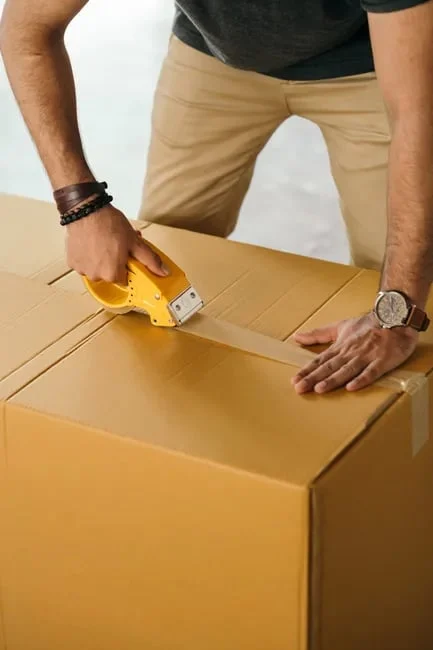
Standard cardboard boxes from local grocery stores fail during long overseas transits. Packages get stacked under heavy items inside shipping containers. The use of heavy-duty double-walled boxes will shield fragile items from rough handling. Selecting the correct internal cushioning prevents items from moving around.
Shippers need to use specific tools to protect their items:
- Bubble wrap for fragile glassware
- Strong packing tape across all seams
- Foam peanuts to fill empty spaces
Thick tape prevents boxes from bursting open under pressure. Spending an extra $5 on quality materials protects valuable merchandise from damage. Robust packaging lowers return rates and keeps your buyers happy.
Ignoring Prohibited and Restricted Item Lists
Every nation maintains strict boundaries regarding what items can enter its borders. Sending restricted goods can result in immediate fines or package destruction. Shippers may assume ordinary items like batteries or liquids face no restrictions.
Lithium batteries require specific safety labels to combat fire hazards on airplanes. Perfumes and aerosols count as hazardous materials in many jurisdictions. Reviewing destination country guidelines prevents your parcel from getting confiscated by customs agents.
Failing to Insure Valuable Shipments
Mishaps happen during long journeys across ocean routes and foreign highways. Standard courier liability rarely covers the full value of expensive electronics or jewelry. Declining optional shipping insurance leaves you vulnerable to total financial loss if a vessel experiences trouble.
Purchasing coverage offers much-needed peace for high-value items. Replacement costs can drain small business budgets quickly. Safeguarding your investment remains a smart choice for global trade. Third-party insurance providers frequently offer competitive rates for commercial cargo.
Neglecting Local Holiday Schedules
International transit timelines may overlook regional calendars and local festivities. Delivery networks shut down completely during national celebrations or seasonal breaks. Forgetting calendar events adds unexpected days to your delivery timeline.
Planning around major global holidays prevents customer service complaints. Courier staff shortages peak during the winter and spring festive periods. Checking local calendars and holiday dates helps manage recipient expectations accurately before shipping out items.

Successful global shipping depends on attention to detail at every step. Reviewing paperwork and choosing quality boxes keeps your items secure throughout transit. Small efforts during the preparation phase eliminate major headaches later on. Shippers who follow these guidelines experience fewer delivery delays and lower costs.