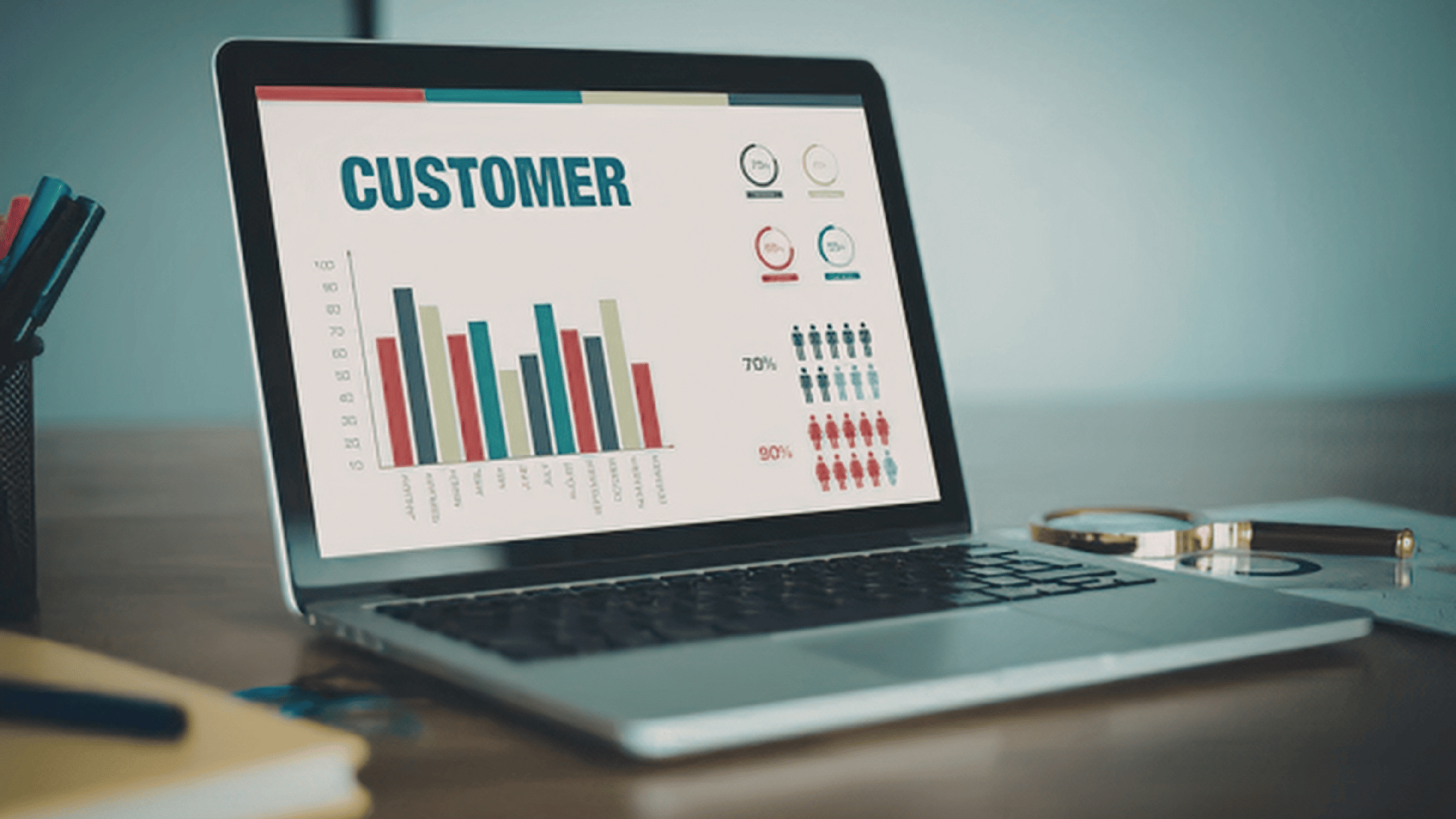
In a data-driven economy, the volume of customer data available to businesses is growing at an unprecedented rate. However, simply having access to large amounts of data is not enough. Success depends on how effectively organizations collect, analyze, and act on customer insights. When used correctly, customer insights empower businesses to improve products and services, understand customer behavior, and deliver highly personalized experiences.
What are customer insights?
Customer insights refer to the knowledge gained through analyzing customer data. These insights help businesses understand customer needs, preferences, motivations, and behaviors, enabling more informed strategic decisions.
By leveraging customer insights, organizations can:
- Improve products and services
- Develop targeted marketing campaigns
- Optimize customer experiences
- Identify new opportunities for growth
In essence, customer insights transform raw data into actionable intelligence that drives business success.
What are the advantages of customer insights?
Generating customer insights offers a wide range of benefits for businesses across industries.
Informed Decision-Making
Customer insights provide valuable information that supports decision-making across departments—from product development to marketing and customer experience. Businesses can make data-backed decisions rather than relying on assumptions.
Improved Customer Understanding
By analyzing customer behavior and preferences, companies gain a deeper understanding of their audience. This allows them to tailor offerings and communication strategies, resulting in higher satisfaction and stronger relationships.
Enhanced Customer Experiences
Customer insights enable businesses to deliver personalized experiences. Personalization not only improves engagement but also increases conversion rates and revenue.
Increased Retention and Loyalty
Understanding why customers leave helps businesses reduce churn. By addressing pain points proactively, organizations can retain more customers and build long-term loyalty.
Efficient Resource Allocation
Insights reveal which customer segments generate the most value. This allows businesses to allocate budgets, time, and resources more effectively.
Innovation and Product Development
Customer feedback and behavior patterns often highlight unmet needs. These insights can drive innovation and guide the development of new or improved products and services.
How businesses collect customer insights at scale
To gather reliable insights, businesses use a combination of traditional and modern data collection methods.
Surveys and Feedback Forms
Customer survey and feedback forms are widely used to collect customer opinions. They help measure satisfaction, identify pain points, and uncover trends.
Open-ended questions can provide rich qualitative data, though analyzing them manually can be time-consuming. Modern tools now automate this process, making it faster and more accurate. Closing the feedback loop is equally important—customers expect their input to lead to real improvements.
Social Listening and Online Reviews
Customers frequently share opinions online through reviews and social media. Social listening tools help businesses monitor mentions, track sentiment, and identify emerging issues.
For example, in the restaurant industry, repeated complaints about delivery delays or ordering issues can highlight operational gaps that need immediate attention.
Customer Interviews and Focus Groups
Direct interactions with customers through interviews and focus groups provide deeper qualitative insights. These methods are especially useful for:
- Understanding why customers choose or abandon products
- Testing new ideas
- Exploring customer motivations and perceptions
Although these approaches require time and effort, advanced analytics tools can now streamline the analysis of qualitative data.
AI-Driven Text Analytics
AI-powered tools allow businesses to process large volumes of unstructured data from surveys, emails, chat logs, and social media.
With AI-driven text analytics, companies can:
- Categorize feedback automatically
- Perform sentiment analysis
- Detect trends and emerging issues
- Identify risks and opportunities
- Minimize human bias in analysis
This approach significantly improves both the speed and accuracy of insight generation.
Scaling customer insights: How to do it
Collecting data is only the first step. Businesses must also ensure they can scale and act on insights effectively.
Setting Clear Goals
Clearly defined objectives help businesses focus on collecting relevant data. Without goals, insights may lack direction and usefulness.
Choosing the Right Research Methods
Different methods serve different purposes:
- Surveys for quantitative data
- Interviews and focus groups for qualitative insights
- Behavioral analytics for usage patterns
- Review analysis for sentiment tracking
Selecting the right mix ensures comprehensive insights.
Conducting Research Across Touchpoints
Data should be collected from multiple customer touchpoints, including websites, customer support channels, and social media. Incentives can encourage participation in surveys and studies.
Analyzing Results
Data analysis involves identifying patterns, trends, and correlations. Visualization tools and analytics platforms can simplify this process and improve accuracy.
Taking Action
Insights are only valuable when acted upon. Businesses should use findings to improve products, refine services, and enhance customer experiences.
Continuous Improvement
Customer behavior evolves over time. Organizations must continuously repeat the process of data collection, analysis, and action to stay relevant and competitive.
Best practices for scaling customer insights collection
To maximize the value of customer insights, businesses should follow these best practices:
Data Integration
Combining data from multiple sources creates a unified view of the customer, enabling more accurate and comprehensive insights.
Automation and AI Tools
Automation speeds up data collection and analysis, while AI enhances accuracy and reduces bias in decision-making.
Data Quality and Governance
High-quality data is essential for reliable insights. Strong data governance practices ensure consistency, accuracy, and compliance.
Breaking Down Silos
Cross-functional collaboration is crucial. Sharing insights across departments ensures alignment and better decision-making.
Focus on Actionable Metrics
Businesses should prioritize metrics that directly influence decision-making and outcomes, rather than tracking data with little practical value.
Conclusion
Customer insights are a critical driver of business success in today’s competitive landscape. While organizations have access to more data than ever before, the real advantage lies in how effectively they transform that data into actionable strategies.
By leveraging the right tools, adopting scalable methods, and continuously refining their approach, businesses can unlock powerful insights that improve customer experiences, drive innovation, and fuel sustainable growth.