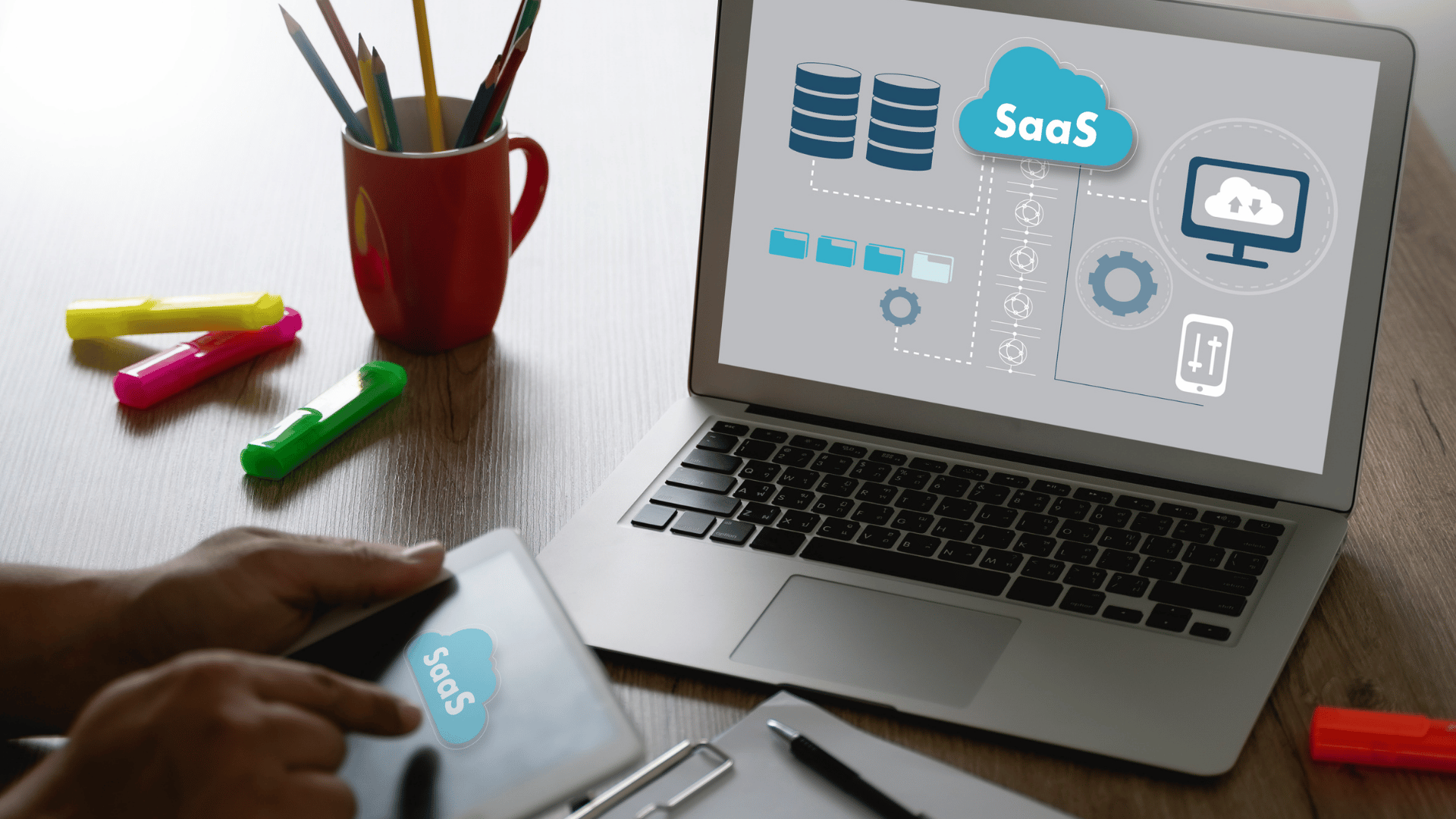
SaaS looks clean from the outside. Recurring revenue, scalable software, predictable growth curves. The reality behind the dashboard is messier. Every SaaS company, from early-stage startups to public scale-ups, runs into a familiar set of operational, cultural, and go-to-market problems that quietly slow growth. Some of these challenges show up in the first year. Others only surface once you start scaling.
The good news is that none of them are new. They have been studied, documented, and solved many times over. Below are some of the most common SaaS challenges teams face today, and practical ways to avoid each one before it becomes expensive.
Losing team culture and employee engagement during fast growth
One common SaaS challenge is keeping team culture, employee engagement, and employer credibility strong while the company scales. As hiring speeds up, internal communication can weaken, people practices become inconsistent, and retention risks rise. That creates a real business problem because product delivery, customer support, and growth all depend on having a stable and motivated team. A useful example here is Amazing Workplaces, a global platform focused on people-management best practices that helps organizations strengthen their employer brand, share credible workplace stories, access research-driven insights, and earn certification for strong people practices. For SaaS companies trying to avoid culture drift as they grow, that kind of support can help turn people operations into a more structured advantage instead of a recurring weakness.
The value of solving this challenge is backed by strong data. In Gallup’s State of the Global Workplace findings, global employee engagement fell to 21%, and lost productivity tied to disengagement cost the world economy $438 billion in 2024. Gallup also reports that highly engaged teams see 23% higher profitability, 14% higher productivity, and 18% higher sales productivity than less engaged teams. Those numbers show why SaaS companies cannot treat culture and employee experience as side issues, especially when scaling teams and customer expectations at the same time. Source: Gallup’s workplace research on Gallup’s website.
Building trust and visibility in a crowded SaaS market
SaaS companies often struggle to build trust and visibility in a crowded market, especially when prospects are comparing multiple tools and looking for proof before booking a demo. If your product pages sound like every other competitor, and your content doesn’t answer real buyer questions (pricing, use cases, limitations, setup, results), you typically see weaker organic traffic and lower trial-to-paid conversion. A practical way to avoid this is to invest in credible, educational assets and independent-style coverage; for example, WittySparks offers SEO content and blog writing for consistent top-of-funnel growth, website copy and email marketing content for conversion support, plus hands-on SaaS product review services that include deep feature evaluation and real snapshots, and can be extended with “how-to” articles that educate users and reduce support friction.
This approach aligns with how B2B buyers actually research software: the G2 Buyer Behavior Report 2024 states that public product review websites are the most consulted information source for 31% of buyers when planning to purchase goods or services for their company.
Customer churn that quietly erodes growth
Churn is the silent killer of SaaS economics. You can win logos all year and still go backwards if existing customers leave faster than new ones arrive. The pattern usually starts small. A few cancellations here, a downgrade there, a feature request that never gets shipped. Then renewal season hits and the numbers become hard to ignore. Most churn problems are not really product problems. They are onboarding problems, value-realization problems, or success problems. Customers who reach their first meaningful outcome inside the first two weeks tend to stay. Customers who do not, often quietly disengage long before they cancel. Investing in proper onboarding flows, in-app guidance, and proactive customer success outreach is far cheaper than acquiring replacement customers.
Pricing and packaging that confuses more than it converts
Pricing is one of the hardest things to get right in SaaS, and one of the easiest things to ignore. Many teams set a price early, add tiers reactively, and never revisit the model. The result is a pricing page that confuses prospects, undercharges power users, and overcharges casual ones. Effective SaaS pricing usually follows a clear value metric, something the customer can map to their own usage or outcomes. Seats, contacts, transactions, projects, API calls. Whatever the metric is, it should grow as the customer’s value from the product grows. Reviewing pricing once a year, testing tier structures, and watching where prospects drop off in the funnel can recover meaningful revenue without a single new feature shipped.
Scaling support without scaling cost linearly
Support is often treated as a cost center until it becomes a crisis. As the customer base grows, ticket volume grows with it, and hiring agents one for one is rarely sustainable. The fix is rarely “more humans.” It is better self-service. A well-maintained help center, in-product tooltips, searchable documentation, and clear how-to content reduce repetitive tickets dramatically. The tickets that remain are the harder, higher-value ones, where human support actually matters. This frees the team to focus on the conversations that drive retention and expansion, instead of answering the same password reset question for the hundredth time.