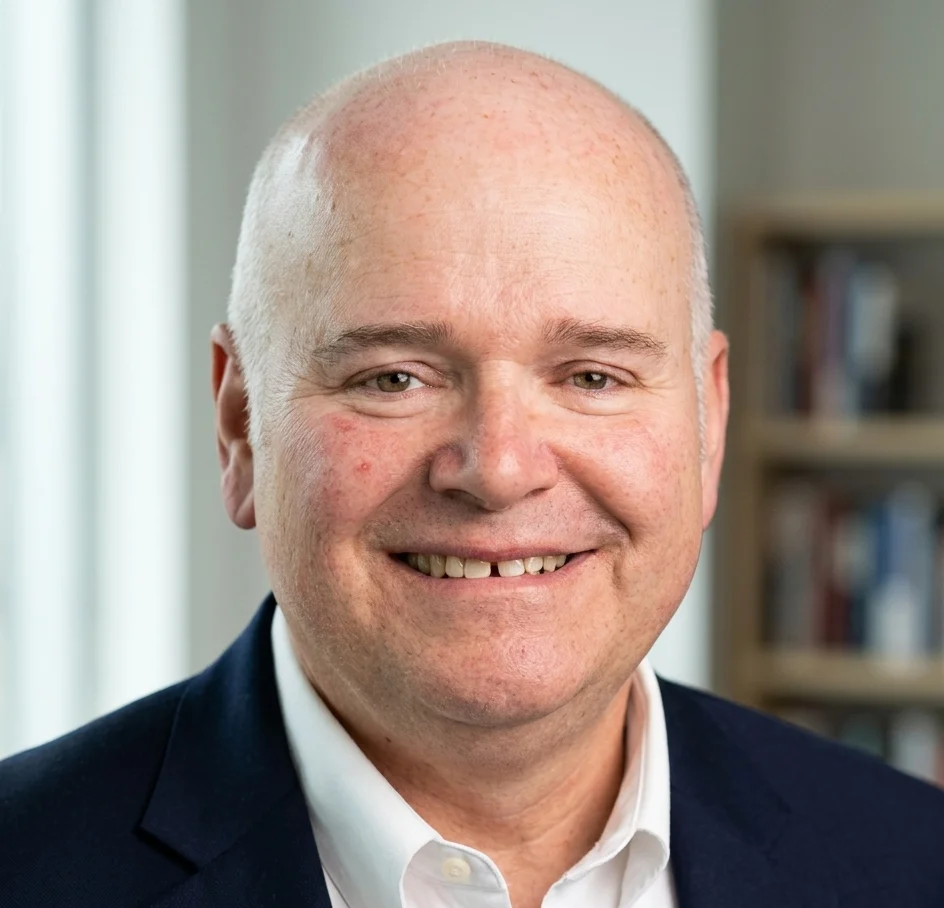
Some people design ideas. Others build them. Timothy Bradbury Monzello built a career doing both. His path runs from machine shops to NASA’s Jet Propulsion Laboratory, with a focus on one core principle: ideas must work in the real world.
“If it can’t be built, it’s not a finished idea,” he says. “You have to think about how it’s made from the beginning.”
Early Life and Work Ethic That Shaped His Path
Monzello grew up in Southern California in the 1960s and 70s. His early life was shaped by loss and responsibility. After his mother passed away, his father raised him and his siblings.
That experience influenced how he approached work.
“You learn early to take ownership,” he says. “No one is going to do it for you.”
As a teenager, he spent time playing piano and practicing martial arts. Both required focus and repetition. Those habits carried into his career later.
How Hands-On Work Built His Foundation
He started his career working with his hands. Auto mechanic. Machinist. CNC programmer. He worked on mills, lathes, and production equipment.
“I didn’t start with theory,” he says. “I started by doing the work.”
This gave him a clear view of how parts are made and where problems happen. He worked in both R&D and production settings.
Over time, he moved into leadership roles. He became a foreman, then a supervisor, then a plant manager. He also worked as a quality control manager.
“You start to see how one small decision affects the whole process,” he says.
Education That Supported Real-World Execution
After several years in the workforce, Monzello returned to school with a clear goal.
“When I went back, I knew why I was there,” he says.
He earned two degrees from Citrus College in 1996. One in Electronics. One in Language Arts. He later completed a Bachelor’s in Business Administration and an MBA.
He also built a strong set of certifications, including Lean Six Sigma, GD&T, and supply chain management.
“The point was to apply it,” he says. “Not just learn it.”
What Running a Business Taught Him
At one point, he started his own business. He ran it for nearly three years before selling it.
That experience gave him a different perspective.
“When it’s your business, every mistake costs you directly,” he says.
He learned how planning, execution, and risk connect. These lessons shaped how he approached larger systems later in his career.
NASA JPL Career and Real-World Systems
Monzello spent 19 years at NASA’s Jet Propulsion Laboratory. He started as a Master Production Scheduler and later became a Group Lead in Manufacturing Engineering.
“At JPL, everything has to work,” he says. “There’s no room for guessing.”
His work focused on aligning design, planning, and production. The goal was to ensure systems could be built as intended.
He received multiple NASA honors, including team and leadership awards.
“One part can affect an entire system,” he says. “You learn to think ahead.”
Why Design for Manufacturability Matters
A key focus in his career is design for manufacturability. It means thinking about how something will be built before finalizing the design.
“I’ve seen parts where tolerances were tight everywhere,” he says. “But only one area needed it. That added hours of work.”
He recalls a specific example.
“We had a part with a deep pocket and sharp corners,” he says. “The tool couldn’t reach properly. We added a small radius, and the machining was made possible.”
Small changes can have large effects.
Teaching the Next Generation of Builders
While working at JPL, Monzello began teaching at El Camino College. He has now taught for over 11 years.
“I try to connect theory to what actually happens,” he says.
His courses focus on manufacturing and machine tool technology. He teaches students to think about process early.
“If you wait until production to think about it, you’re too late,” he says.
How He Brings Ideas to Life
Monzello starts with a simple question: how will this be built?
That question drives everything.
“I sketch it out, then think about tools, materials, and steps,” he says. “If it doesn’t work in production, I change it.”
He also values input from the shop floor.
“Talk to the people doing the work,” he says. “They see things others don’t.”
Lessons From a Career Built on Execution
His career shows that success comes from steady progress and practical thinking.
He learned from failure early on.
“I worked on a part that looked right but failed in production,” he says. “We had to redo it. That sticks with you.”
That experience shaped his approach. Think ahead. Test early. Keep it simple.
A Practical Approach That Still Applies Today
Today, he continues to teach and share what he has learned. His focus remains clear.
“Keep it simple and make it work,” he says.
From machine shops to space systems, his career shows that ideas only matter when they can be built. That mindset has guided his work and continues to shape how he approaches every challenge.