Keeping a commercial building in top shape takes a lot of work. Owners often focus on big repairs only when something breaks. This approach leads to higher costs and unhappy tenants. Small, steady efforts keep everything running smoothly without the stress of sudden failures.
Managing a property requires a clear list of priorities this avoids expensive surprises. Staying ahead of potential problems is the best way to protect your physical investment. Good habits keep the facility safe and functional for every person who enters the doors.
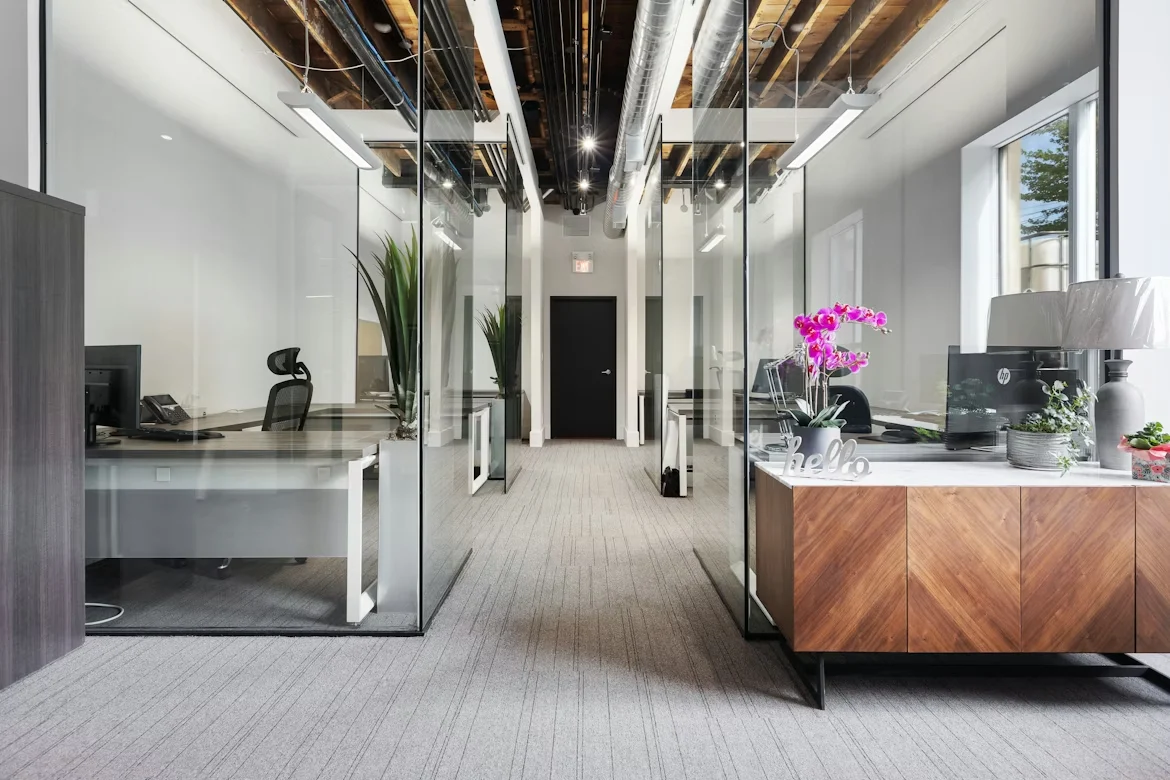
The Power Of Proactive Planning
A solid schedule helps property managers stay ahead of wear and tear. One online guide suggested that a forward-looking strategy reduces total expenses and boosts overall efficiency. It helps teams spot tiny problems before they turn into huge disasters.
Planning for the future allows for better budgeting and less stress for the staff. Regular checks keep the building value high and keep the lights on without interruption.
This mindset can even pave the way for future innovation within the workspace. By knowing the state of every system, you can decide when to adopt new technologies. Managers who track their equipment find that they spend less time on emergency calls.
Professional Roof Care
The top of your building is its first line of defense against the weather. Hiring roof replacement and repair professionals helps you spot leaks or weak spots before they ruin the ceiling. These experts have the right tools to evaluate the condition of every shingle or membrane.
Water is the most common cause of structural issues in larger facilities. Small drips inside the walls lead to rot and mold that are hard to remove.
A clear maintenance plan includes checking for ponding water after every heavy storm. Keeping the roof surface clean of branches and dirt prevents premature wear. High-quality materials and expert eyes make a massive difference in long-term safety.
Managing Air Quality And Flow
Heating and cooling systems work hard every single day to keep everyone comfortable. A university manual pointed out that swapping out filters regularly helps clean the air and makes the equipment run better.
Dirty systems have to push harder, which burns through more energy and money. Checking the ductwork and vents prevents dust from building up in the workspace. Clean air makes for a much healthier environment for every employee in the office.
Maintenance teams should look at the thermostats and belts every few months. Worn parts cause the system to cycle too often, which leads to early failure.
Providing a steady flow of fresh air is necessary for productivity and health. If the air feels stale, it might be time to check the outdoor intakes. Keeping these mechanical parts in top shape lowers the monthly utility bills significantly.
Fire Safety And Occupant Protection
Safety protocols are a legal requirement that protects every person inside the walls. A state government document mentioned that keeping an exit plan ready is needed for buildings that store specific items like batteries.
These plans must be visible and easy for everyone to follow during a drill. Testing alarms and sprinklers 2 times a year keeps the system ready for any emergency. Protecting people is always the most critical part of property management.
Every exit must stay clear of furniture and boxes to allow for a fast exit. Fire extinguishers need regular inspections to verify they are full and functional. Staff members should know exactly where to go if an alarm sounds during the day.
Keeping detailed records of these tests helps with insurance claims and local inspections. A safe building is a requirement for any successful business operation.
Exterior Drainage Systems
Rainwater can be a major enemy if it does not have a clear path away from the foundation. Keeping the perimeter clear of debris stops pooling and protects the structural integrity of the site. Blocked pipes or gutters can cause water to seep into the basement or crawlspaces.
- Clean out gutters to prevent overflows.
- Check downspouts for blockages after heavy storms.
- Grade the soil so water flows away from the walls.
- Inspect parking lot drains for trash or leaves.
Maintaining these paths prevents mold and rot from starting in hidden places. It keeps the surroundings looking neat for visitors and clients. Poor drainage leads to cracks in the concrete and shifting foundations.
Repairing a sinking wall is one of the most expensive tasks a property owner can face. Simple checks of the yard and parking areas prevent these massive bills. Make sure that all water moves toward the street or a designated storm drain.
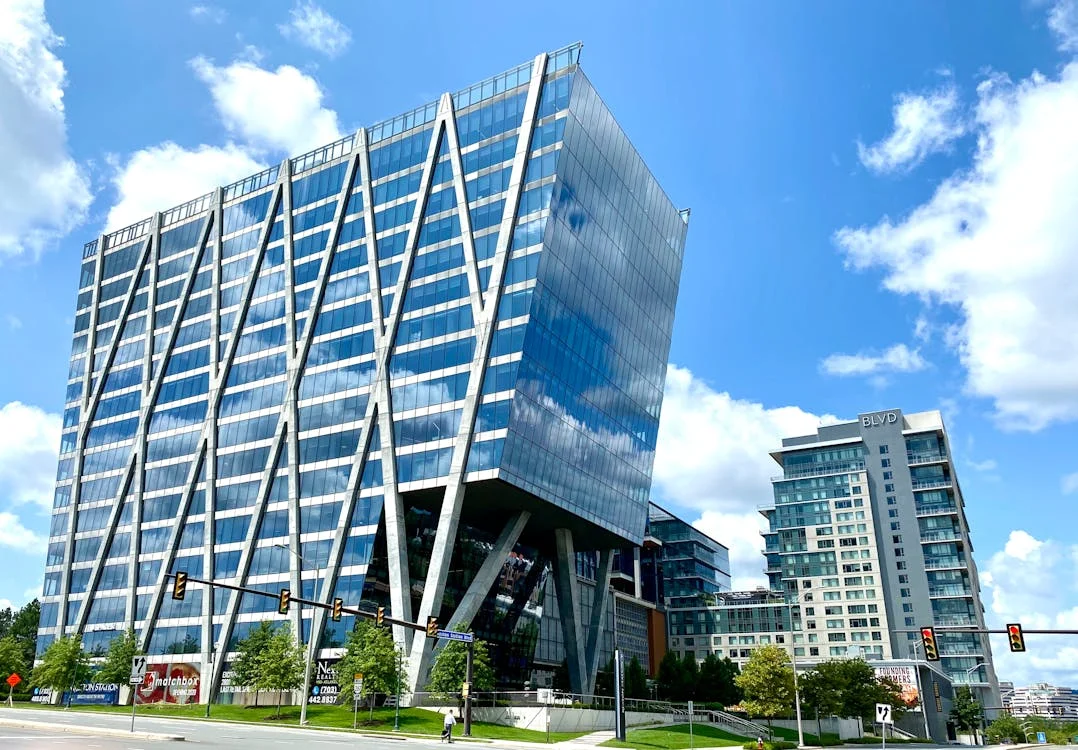
Electrical And Lighting Standards
Flickering lights or tripped breakers often signal a deeper issue with the wiring. An electrician should look at the main panels once a year to look for signs of heat or wear. Modern upgrades can save a lot of money on monthly utility bills.
Replacing old fixtures improves the look of the interior spaces for clients. Good lighting keeps the workspace safe and helps people stay focused on their daily tasks.
Loose connections in the panel can lead to sparks or even fires. Professional reviews of the electrical load help avoid power surges that damage computers.
Updating the lighting to more efficient options is a smart way to lower overhead costs. Keeping the power steady and safe is a top priority for any facility.
Consistent care is the secret to a long-lasting commercial asset. Staying on top of these tasks protects your investment and makes sure the tenants are comfortable. A well-maintained property stands out in the market and retains its value through the years.