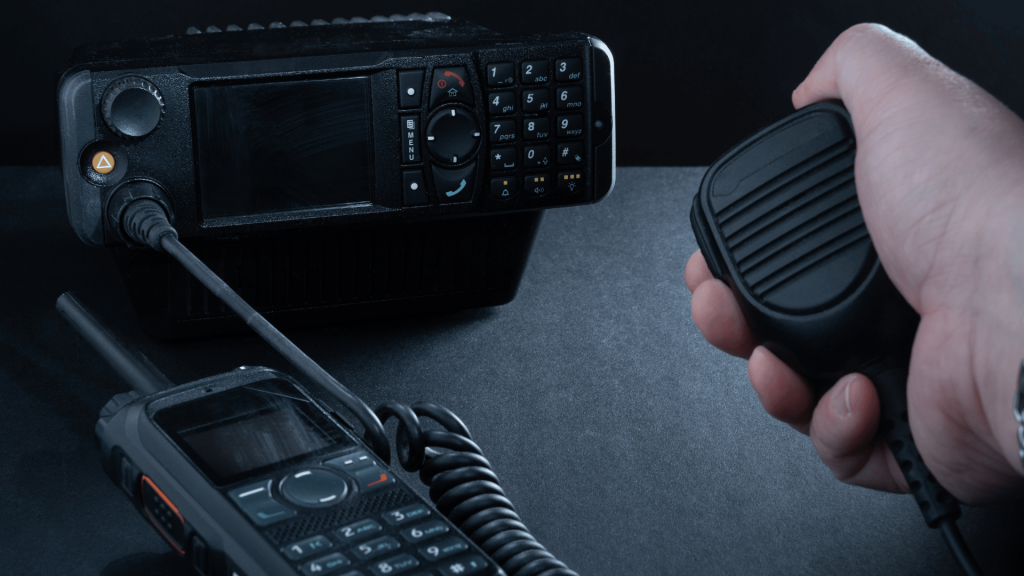
A team of five people can shout across a room.
A team of fifty? That’s when things get… interesting.
Someone’s waiting on equipment. Another group is asking where materials went. A supervisor is trying to reach the delivery crew. Meanwhile, half the team is checking phones, hoping someone answers.
Growth is exciting for any organization—but scaling communication is often the first real challenge. The larger the team, the more information needs to move quickly and clearly. Without a reliable system, confusion multiplies.
That’s exactly why many companies turn to the two-way radio as their communication backbone when teams expand.
The Communication Problem Most Teams Don’t Expect
Small teams rarely think about communication systems. Conversations happen naturally. Questions get answered quickly.
But as operations scale—whether in construction, logistics, event management, or facilities management—the cracks start to show.
Suddenly teams face problems like:
- Missed phone calls between departments
- Delays waiting for text responses
- Workers scattered across large locations
- Critical information getting lost in message threads
Communication becomes fragmented. Instead of one clear channel, everyone is using different apps, devices, or methods.
The result? Slower decisions and unnecessary downtime.
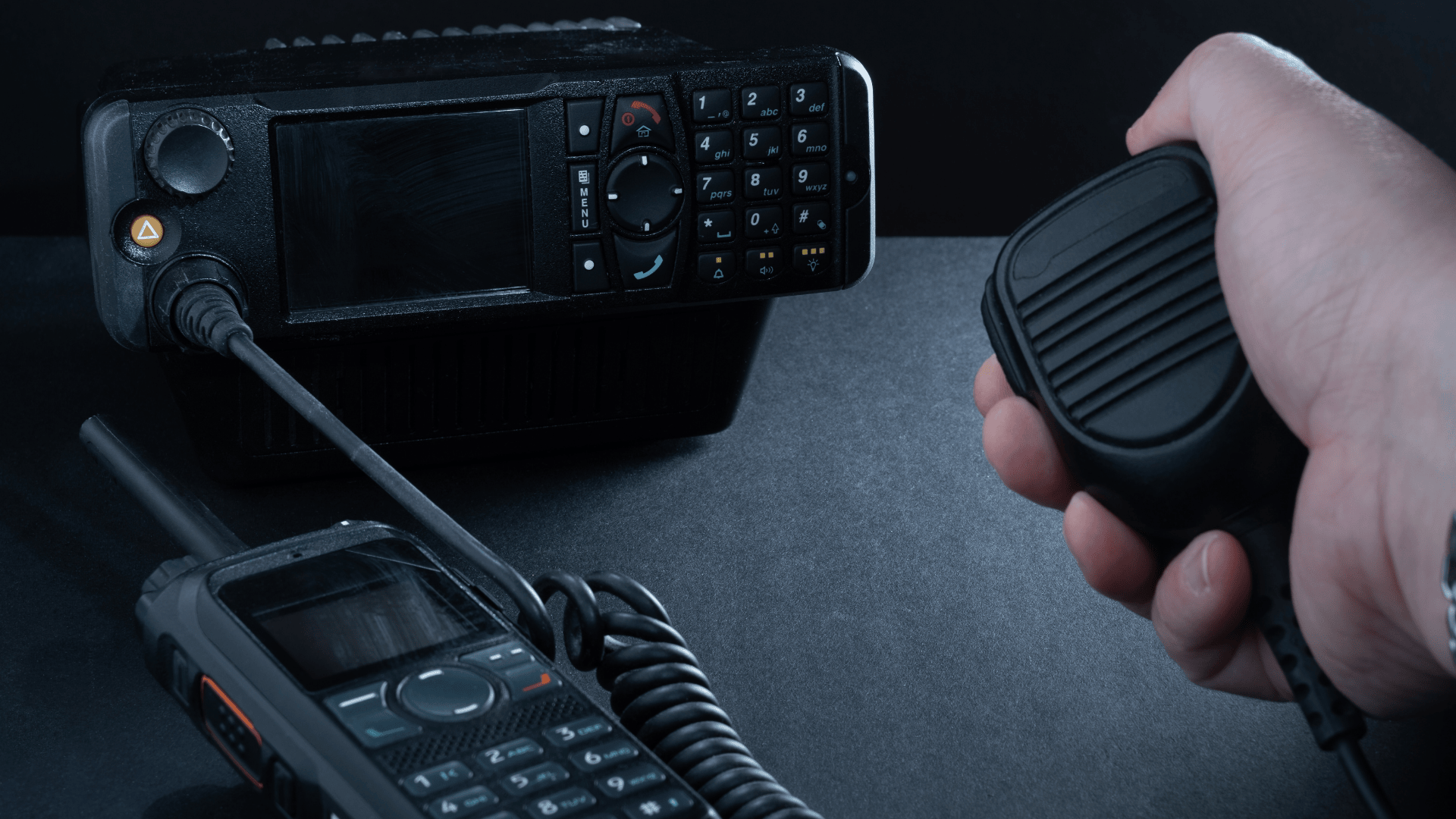
A two-way radio simplifies this by putting everyone on the same communication network.
Push-to-Talk Simplicity Speeds Up Operations
Two-way radios remove the friction from team communication.
No dialing numbers.
No waiting for someone to answer.
No switching between apps.
You press a button and speak.
That simplicity may sound basic, but it’s incredibly effective in fast-moving environments. Workers can instantly coordinate tasks, request support, or provide updates without breaking their workflow.
For example:
A warehouse worker can alert a supervisor that a shipment has arrived.
A maintenance technician can request assistance immediately.
A project manager can coordinate multiple teams across different areas.
Modern systems like this two-way radio even allow nationwide push-to-talk communication, making it possible for teams to stay connected across large sites or multiple locations.
In growing organizations, that kind of instant access becomes a major operational advantage.
Scaling Without Communication Bottlenecks
As teams grow, coordination becomes more complex. More people means more moving parts—more updates, more questions, more decisions.
Without a structured communication system, managers often become bottlenecks. Everyone needs their input, and they spend half their day responding to messages.
Two-way radio systems distribute communication more efficiently. Teams can communicate directly with the people they need instead of routing every request through a supervisor.
This creates a more responsive environment where workers solve problems faster and managers focus on higher-level oversight rather than constant messaging.
Reliable Communication Across Large Areas
Growing teams often operate across larger physical spaces. Think warehouses, construction sites, campuses, event venues, or multi-floor facilities.
Cell phones can struggle in these environments. Weak signals, dropped calls, or delayed messages create frustration and miscommunication.
Two-way radios are built for this kind of operational scale. They provide consistent communication regardless of distance or physical barriers within the work environment.
For organizations with multiple sites, modern push-to-talk systems extend that same reliability across cities—or even nationwide.
The result is a communication network that scales with the organization instead of breaking under pressure.
A Culture of Faster Collaboration
Strong communication tools don’t just improve logistics—they shape team culture.
When workers know they can reach teammates instantly, collaboration becomes more natural. Small issues get resolved quickly. Teams coordinate more smoothly. Employees feel supported instead of isolated.
That kind of environment increases productivity and reduces frustration, especially in industries where timing matters.
In many organizations, the two-way radio quietly becomes the connective thread tying operations together.
The Tool That Grows With Your Team
Every growing organization eventually reaches the same realization: communication systems that worked for a small group no longer work at scale.
Text threads become chaotic. Calls go unanswered. Information moves too slowly.
Two-way radio systems solve this by offering something deceptively simple—instant, reliable communication shared across the entire team.
And when communication improves, everything else tends to follow: faster decisions, smoother operations, and teams that work together instead of around each other.

Pallavi Singal is the Vice President of Content at ztudium, where she leads innovative content strategies and oversees the development of high-impact editorial initiatives. With a strong background in digital media and a passion for storytelling, Pallavi plays a pivotal role in scaling the content operations for ztudium’s platforms, including Businessabc, Citiesabc, and IntelligentHQ, Wisdomia.ai, MStores, and many others. Her expertise spans content creation, SEO, and digital marketing, driving engagement and growth across multiple channels. Pallavi’s work is characterised by a keen insight into emerging trends in business, technologies like AI, blockchain, metaverse and others, and society, making her a trusted voice in the industry.