The platform economy is fundamentally reshaping how money moves, demanding payment infrastructure that can handle complex, multi-party transactions in real-time. As marketplaces and digital platforms become the dominant business model, traditional payment rails are evolving to meet new demands.
Embedded Finance Becomes the Standard
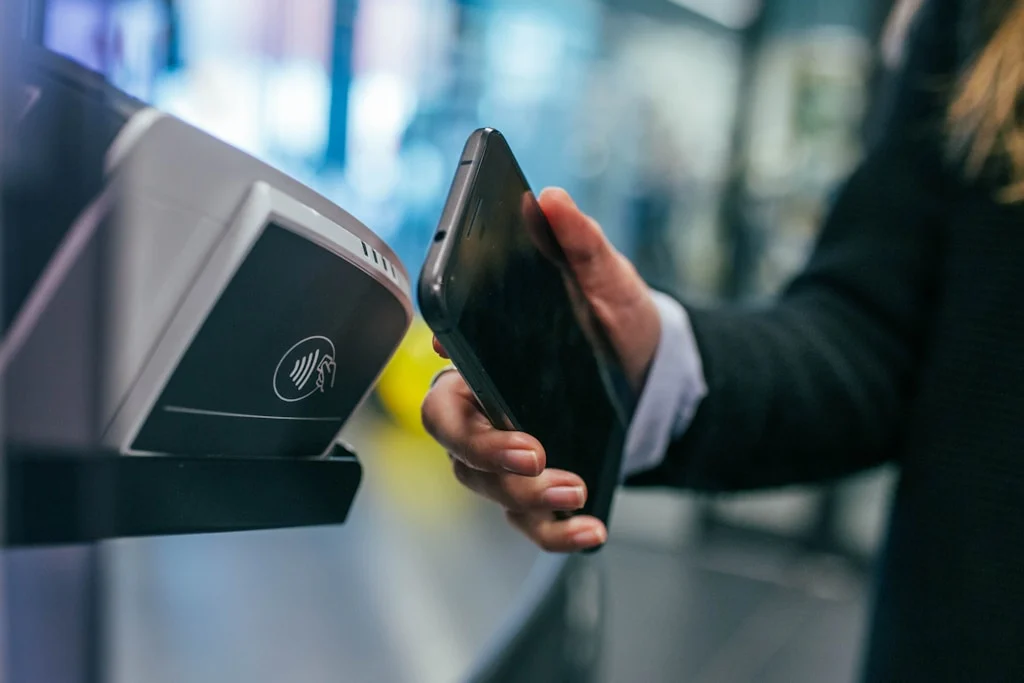
Payment functionality is increasingly woven directly into platform experiences rather than redirecting users to external processors. This embedded approach eliminates friction while giving platforms greater control over user experience and data flow. Modern infrastructure supports seamless integration of payment capabilities, lending, and financial services within existing workflows. The result is a more cohesive user journey where financial transactions feel native to the platform environment.
Real-Time Settlement Transforms Cash Flow
Traditional payment processing often involves delays that can strain platform participants, particularly smaller vendors and service providers. Next-generation infrastructure prioritizes instant or near-instant settlement, enabling immediate access to funds upon transaction completion. This shift addresses critical cash flow challenges for gig workers, small merchants, and service providers who depend on quick payment turnaround. Real-time capabilities also reduce the need for expensive working capital solutions.
Multi-Party Payment Complexity
Platform transactions frequently involve multiple recipients – think ride-sharing with driver payments, platform fees, and insurance costs all from a single customer payment. Modern infrastructure handles these complex splits automatically, managing compliance and reporting across all parties. Advanced systems can dynamically adjust splits based on various factors while maintaining transparency and regulatory compliance.
Cross-border platform transactions add another layer of difficulty, as each payment leg may fall under different tax regimes, currency conversion rules, and anti-money laundering requirements. Robust orchestration engines are becoming essential to reconcile these variables in milliseconds without disrupting the end-user experience.
Regulatory Technology Integration
As payment complexity increases, so does regulatory oversight. Forward-thinking infrastructure incorporates automated compliance monitoring, real-time transaction screening, and adaptive reporting capabilities. This regulatory technology helps platforms navigate evolving requirements across different jurisdictions while maintaining operational efficiency.
The payment infrastructure of tomorrow will be invisible to users but incredibly sophisticated behind the scenes, enabling new business models while ensuring security and compliance.