Remote work has transitioned from a temporary trend to a fundamental shift in how professionals work worldwide. As companies embrace distributed teams and flexible work arrangements, job seekers and employees alike must adapt to thrive in this new environment. A key component of this adaptation is continuously developing relevant skills — and e‑learning plays a central role in career growth for remote workers.
In this article, we’ll explore why skill development is essential for remote work success, how e‑learning supports professional growth, and practical steps to stay competitive in today’s evolving job market.
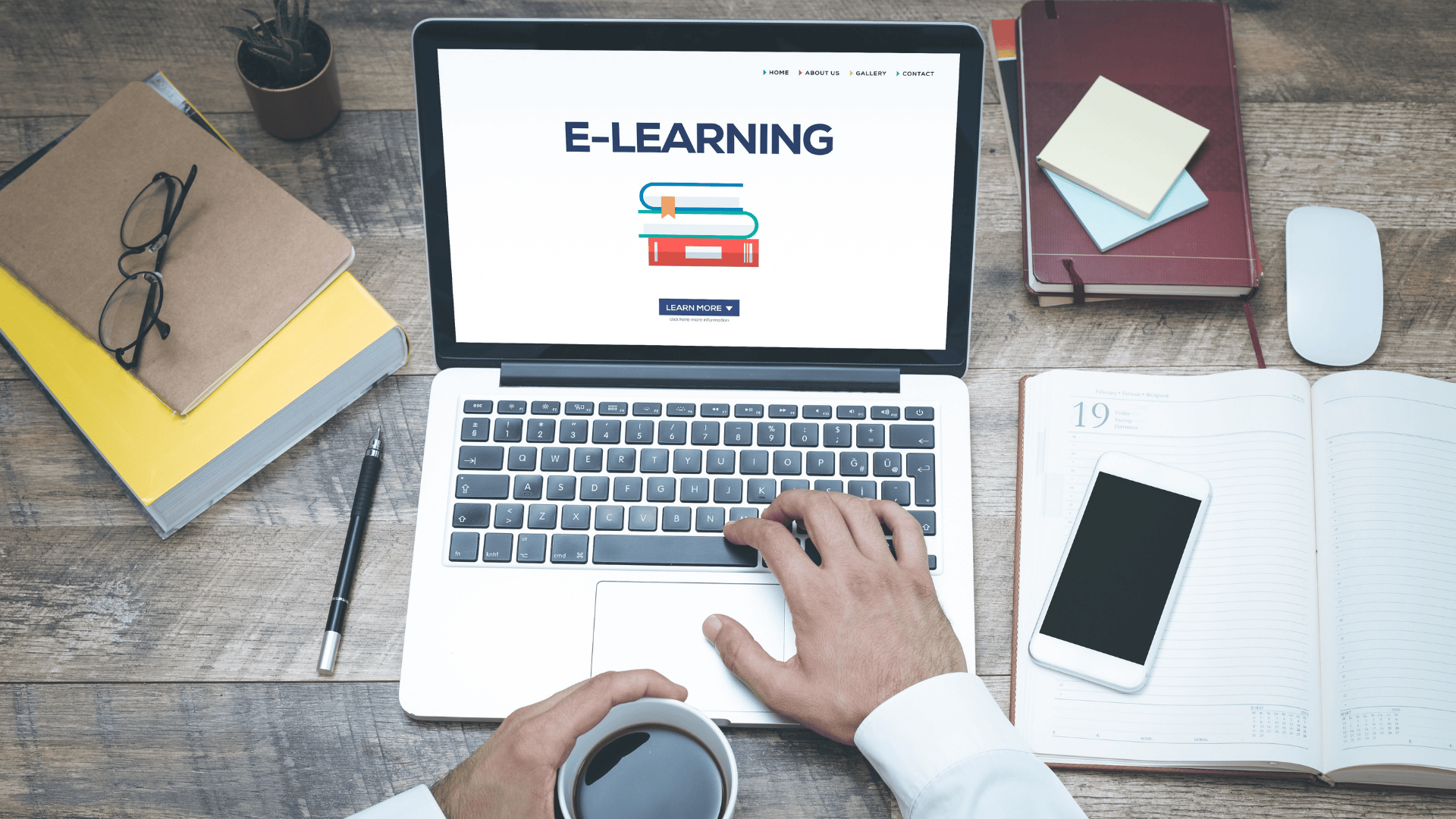
Why Skill Adaptation Matters in Remote Work
Remote work demands a blend of technical and soft skills that differ from traditional office‑based roles. Even if you have experience in your field, adapting to remote work often involves mastering tools, communication methods, and self‑management techniques to remain effective and productive.
Here’s why adapting your skill set is so essential:
✦ Technology Fluency
Remote teams rely heavily on digital tools for communication, collaboration, and project management. Familiarity with platforms like Zoom, Slack, Trello, and cloud‑based systems is now a baseline expectation in many roles.
✦ Communication Skills
Without face‑to‑face interaction, written communication becomes more important. Clear, concise writing and thoughtful asynchronous communication help remote teams stay aligned and productive.
✦ Self‑Management
Remote work requires proactivity, accountability, and time management skills. Professionals who can structure their workday and meet deadlines independently often excel in remote roles.
The Rise of E‑learning in Career Growth
E‑learning has reshaped the way professionals develop new skills and future‑proof their careers. Unlike traditional education, online learning offers flexibility, accessibility, and personalization — ideal for remote workers balancing work, life, and growth.
The advantages of e‑learning include:
- 📌 Flexible schedules allowing learning on your own terms
- 📌 Wide range of courses across industries and skill levels
- 📌 Affordable options compared to classroom education
- 📌 Immediate application of skills to real‑world work scenarios
Whether you’re learning a new software, enhancing leadership abilities, or advancing technical expertise, online learning platforms provide the resources to support career progression.
Finding Remote‑Focused Opportunities
In addition to online learning, staying informed about job trends and remote opportunities is essential for advancing your career. Websites like Jobgether specialize in remote job listings, offering insights into the current demand for remote roles and the skills employers prioritize.
By regularly exploring remote‑friendly job platforms, professionals can identify what expertise is trending and tailor their e‑learning goals accordingly — ensuring they are investing in skills that align with real job opportunities.
Key Skills Every Remote Worker Should Develop
To succeed in remote work environments, professionals must cultivate both hard and soft skills. Below are some of the most valuable skills to focus on:
1. Digital Literacy
Understanding a variety of digital tools and platforms is non‑negotiable for remote work. This includes:
- Video conferencing tools (e.g., Zoom)
- Collaboration platforms (e.g., Microsoft Teams, Asana)
- Cloud storage and document editing (e.g., Google Workspace)
Strong digital literacy ensures you can contribute effectively and efficiently in virtual settings.
2. Self‑Directed Learning
Remote workers must adapt quickly to new challenges, which makes self‑directed learning an essential skill. E‑learning supports this by encouraging learners to take ownership of their development path — researching topics, completing courses independently, and applying new knowledge without structured classroom settings.
3. Effective Communication
Communication in remote teams often happens through written text, which means:
- Emails must be clear and purposeful
- Messages should have a friendly, professional tone
- Instructions must be easy to interpret
Investing in communication skills helps reduce misunderstandings and improve team effectiveness.
4. Time and Task Management
Without a daily in‑office structure, remote workers benefit from being skilled at:
- Setting work routines
- Prioritizing tasks
- Avoiding distractions
- Using calendar tools effectively
These skills help maintain focus and productivity.
How E‑learning Enhances Career Growth
E‑learning is more than just online courses — it’s a strategic investment in your career. Here are ways it supports professional development:
Accelerates Skill Acquisition
Quality online courses allow learners to quickly pick up relevant skills needed for specific remote roles. Whether it’s coding, project management, or digital marketing, platforms offer curated paths that help learners stay on track.
Offers Certification and Credibility
Many e‑learning platforms provide certificates upon completion, and these can strengthen your résumé or LinkedIn profile. Recruiters and employers often value recognized certifications, especially when hiring for remote roles where skills must speak louder than location.
Supports Continuous Learning
The remote work landscape changes rapidly. New tools emerge, new methodologies evolve, and e‑learning helps professionals stay updated without disrupting their current work schedules.
Practical Steps to Start Adapting Your Skill Set
If you’re ready to enhance your career for remote work success, here are the steps to get started:
- Assess Your Current Skill Set
- Identify areas where you excel and where there’s room for improvement.
- Set Clear Goals
- Define what you want to achieve — whether it’s mastering a new tool or gaining leadership skills.
- Choose Relevant E‑learning Platforms
- Select online courses that offer practical, applicable learning paths.
- Practice Through Real‑World Projects
- Apply what you learn immediately to build confidence and expertise.
- Track Your Progress
- Keep a learning journal or roadmap to stay motivated and accountable.
Conclusion: Stay Competitive in a Remote Future
Remote work isn’t a temporary phase — it has become an integral part of the professional landscape. As companies continue to embrace flexibility, workers must adapt their skill sets to remain competitive and achieve career growth.
E‑learning makes this adaptation practical and achievable, offering professionals the tools they need to learn at their own pace, earn valuable credentials, and stay relevant in changing job markets.
By combining ongoing learning with proactive exploration of remote work opportunities, you’ll be better prepared to seize career‑advancing roles and continue growing in a world where flexibility, adaptability, and skills matter more than ever.