
As cultural appreciation and representation in fashion continues to evolve, the spotlight is increasingly shining on size-inclusive clothing. This shift is particularly evident in niche markets like Renaissance and historical attire, where garments often evoke a sense of nostalgia and authenticity. The interest in wearing period-appropriate clothing is rising, allowing individuals of all shapes and sizes to participate in events like Renaissance fairs, historical reenactments, and themed gatherings.
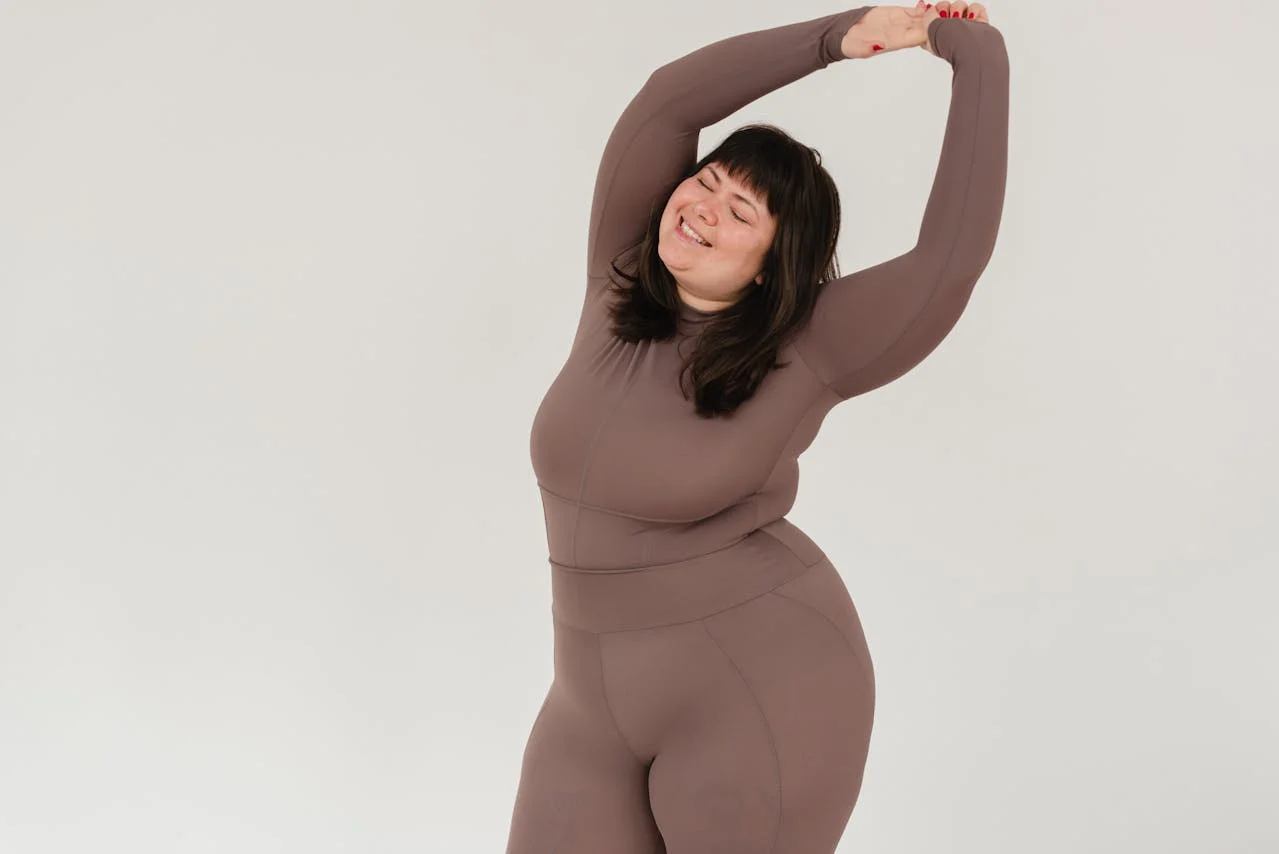
Understanding Size Inclusivity in Historical Fashion
In recent years, size inclusivity has transcended the realm of everyday fashion, moving into specialized clothing sectors, including Renaissance and historical wear. The traditional metric of beauty and elegance often defined by the fashion industry has limited representation for many people. However, today’s consumers demand garments that celebrate diversity in body shapes and sizes.
Renaissance fair participants often choose to don outfits that reflect historical accuracy yet also prioritize personal comfort and fit. Recognizing that the pursuit of authenticity shouldn’t compromise inclusivity, many brands now offer extensive selections catering to varied body types. This inclusive attitude allows everyone to immerse themselves fully in the experience, free from concerns about fit or style.
For those seeking period-specific outfits that embrace a wider range of sizes, there are wonderful resources available. For example, you can explore the size-inclusive renaissance selection offered by various brands that empower every individual to adorn themselves in beautiful, era-appropriate attire.
The Historical Context of Body Representation
Historical clothing wasn’t always as monolithic as many modern interpretations suggest. In the Renaissance period, fluctuating standards of beauty—often dictated by class and culture—were reflected in clothing styles. For example, during this era, certain styles celebrated robust figures as symbols of wealth and health. With a deeper appreciation for historical attire, it becomes crucial to acknowledge this rich tapestry of representation and to carry it forward into the modern age.
Rethinking our view of historical fashion can uplift the narrative surrounding body size. By embracing a diverse range of body types within historical contexts, we enrich our understanding of the past. The Renaissance may have its standards, but today’s representation in costumes highlights how many styles can be adapted to flatter all shapes.
Why Size-Inclusive Clothing Matters Today
1 Celebration of Diversity: Size-inclusive clothing allows individuals to celebrate their bodies rather than conform to restrictive beauty norms. This is especially important in a culture that has often dictated an idealized form.
2 Empowerment Through Participation: Size inclusivity in Renaissance clothing ensures that all individuals have the opportunity to partake in events and activities that honor a shared history. It transforms the experience from one of exclusion to celebration.
3 Variety of Styles: The range of available sizes encourages creativity. Individuals can explore various styles, from flowing gowns to tailored bodices, discovering what makes them feel both comfortable and authentic.
Navigating the Modern Renaissance Fair
For those planning to attend a Renaissance fair or similar event, understanding the culture and aesthetics can enhance your experience. Here are some tips to navigate this nostalgic yet inclusive landscape:
- Research Attire: Understand the different styles of the era you wish to portray. While some may opt for extravagant gowns reminiscent of royalty, others might prefer simpler attire that reflects the everyday person of the time.
- Choose Wisely: When selecting an outfit, consider how it reflects both the period and your personal style. Many brands offer the opportunity to customize dresses to your body’s outline.
- Accessorize Intentionally: Accessories play a significant role in completing any costume. Options range from belts and jewelry to hats and shoes, allowing personal flair to shine through.
The Role of Community in Size Inclusivity
The interest in size-inclusive clothing isn’t just a passing trend; it reflects a deeper, communal desire for acceptance. Renaissance fairs, for example, often serve as spaces for enthusiastic engagement, where participants bond over shared passions for history, craftsmanship, and performance. This environment fosters community, encouraging dialogue around body positivity and self-expression.
Engagement with Local Makers: Many fairs also feature artisans who specialize in handmade garments. Purchasing from local makers not only supports economic growth but also guarantees unique pieces that celebrate the diversity of body shapes, ensuring each costume is distinct. Engaging these communities encourages more designers to consider size inclusivity in their future offerings.
Crafting a New Narrative
Ultimately, the movement towards size-inclusive clothing within the Renaissance and historical fashion sectors is a manifestation of broader societal changes. It reflects a growing acknowledgment of the need for representation across all dimensions.
This evolution in fashion demonstrates that everyone should have the chance to experiment, express, and engage with the past through clothing that fits comfortably and looks fantastic. From finding garments at specialized retailers to encouraging local artisans to expand their size ranges, each of us can play a role in continuing this vital narrative.
In embracing size-inclusive clothing, we not only honor personal histories but also contribute to a collective future rich with variety and depth, echoing the very spirit of the Renaissance itself—a period celebrated for its creativity and diversity. Whether you’re stepping onto a fairground or simply donning a costume for a themed party, remember that every body can partake in the celebration of history, beauty, and culture, making the journey all the more meaningful.











