Introduction
Sustainable energy trends are shifts in how businesses generate, source, and manage power to reduce emissions while improving long-term resilience.
By 2026, energy strategy becomes a core business function rather than a side sustainability initiative, because electricity costs, grid instability, and regulatory pressure increasingly affect profitability.
Global renewable capacity additions surpassed 500 gigawatt-hours in recent years, signaling that clean energy is no longer experimental but industrially mature.
What makes this moment different is convergence.
Energy demand is rising, digital infrastructure is consuming more power, and investors expect measurable progress rather than pledges.
This article explains which sustainable energy trends matter most, how they affect real operations, and how businesses can adopt them without overextending capital or complexity.
Why Are Sustainable Energy Trends a Business Priority in 2026?
Sustainable energy trends are a business priority in 2026 because energy volatility now directly threatens margins, continuity, and credibility.
Rising electrification, AI workloads, and climate-driven disruptions mean that passive energy procurement exposes companies to risks they can no longer ignore.
Energy decisions now touch procurement, compliance, finance, and brand positioning simultaneously.
Organizations that stabilize energy supply gain planning confidence, while those that rely solely on spot markets absorb unpredictable shocks.
Sustainability, therefore, becomes a tool for operational control rather than a branding exercise.
What Defines Sustainable Energy in a Business Context?
Sustainable energy in a business context is an integrated approach to meeting power needs with lower lifecycle emissions, higher efficiency, and improved reliability.
This definition matters because sustainability is not one technology but a system that spans supply, demand, and governance.
Supply refers to where energy comes from and how carbon-intensive it is.
Demand refers to how efficiently facilities convert energy into work, heat, or computing.
Governance refers to measurement, reporting, and continuous improvement that keeps claims credible and decisions grounded.
How Does the Energy Transition Affect Legacy Oil and Gas Revenue Streams?
The energy transition affects legacy oil and gas revenue streams by increasing scrutiny on long-term exposure, asset valuation, and reporting accuracy.
Many businesses still hold indirect interests through land ownership, historical leases, or royalty agreements tied to earlier investments.
Mineral rights are property rights that grant ownership of subsurface resources and the ability to lease or receive royalties from extraction.
Oil and gas leases are legal agreements that define production terms and revenue sharing.
Royalty statements are financial records that show how production income is calculated and distributed.
As companies reassess legacy exposure, understanding these documents becomes operationally important.
One useful reference point is understanding how to read oil and gas royalty statements.
Which Renewable Energy Sources Are Gaining the Most Business Adoption?
Renewable energy sources are power generation options that replenish naturally and reduce carbon intensity when deployed responsibly.
For businesses, adoption depends less on ideology and more on reliability, scalability, and financing models.
Solar leads commercial adoption because it is modular and predictable.
Wind follows closely through long-term power purchase agreements.
Bioenergy finds niche value where waste streams or heat demand align.
Solar Energy for Commercial Operations
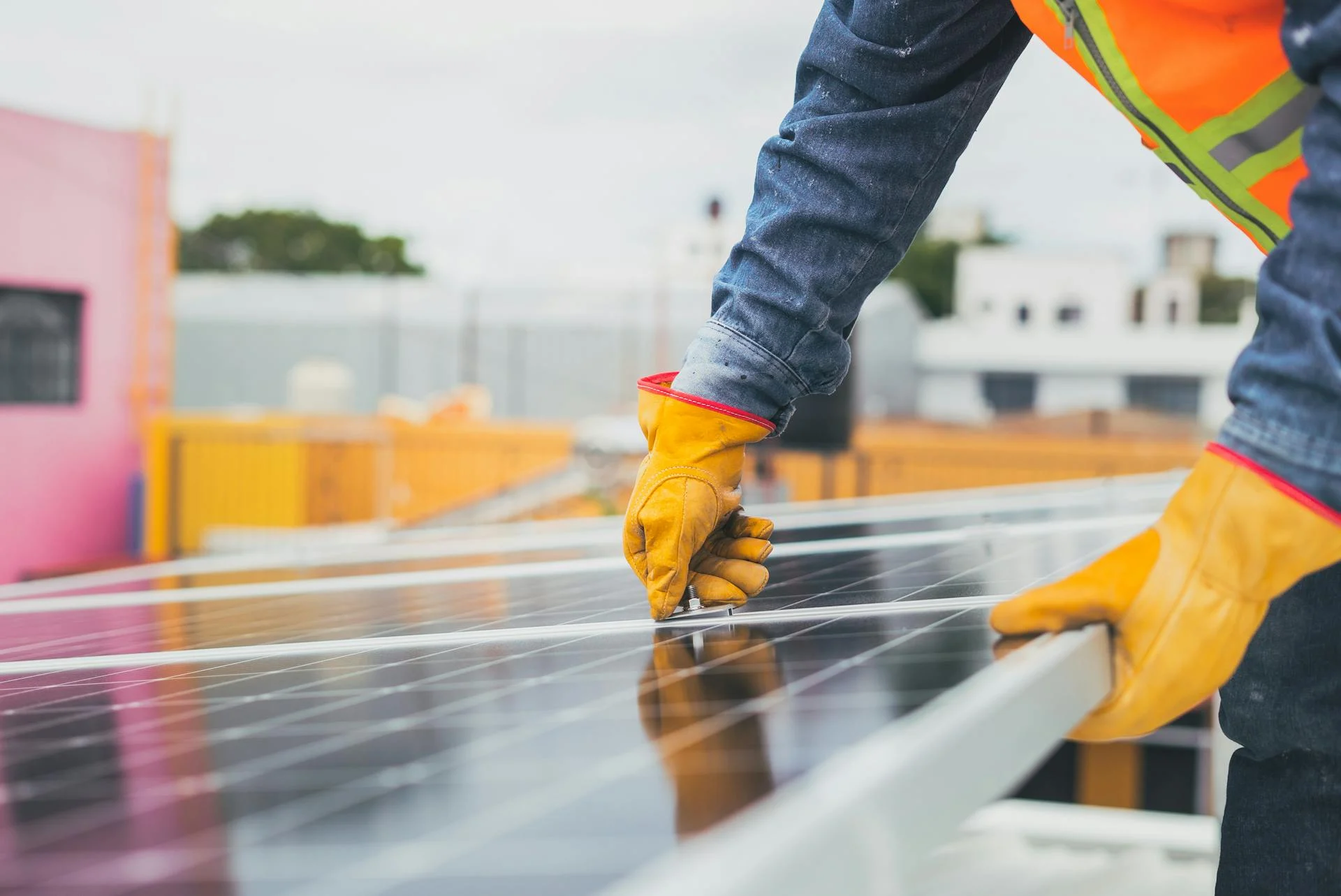
Solar energy is a renewable electricity source that converts sunlight into power using photovoltaic cells.
It fits business use because it scales easily and delivers predictable output across many regions.
Photons excite electrons in PV materials, producing direct current that inverters convert into usable alternating current.
Solar pairs well with demand management and storage to reduce peak charges.
Common business applications include:
- Rooftop systems for warehouses and offices
- Solar canopies supporting EV charging
- Off-site solar procurement through PPAs
Wind Energy in Industrial and Enterprise Settings
Wind energy converts the kinetic energy of moving air into electricity using turbine rotors and generators.
For most businesses, wind appears through off-site contracts rather than on-site installations.
Wind complements solar by generating power during different hours and seasons.
This diversification helps stabilize renewable supply portfolios and reduce overreliance on a single resource.
Bioenergy and Waste-to-Energy Solutions
Bioenergy is renewable energy derived from organic materials, such as agricultural residues or industrial waste.
It suits operations that already manage biomass or require large amounts of process heat.
Common pathways include combustion, anaerobic digestion, and gasification.
Sustainability depends on feedstock sourcing and emissions controls, which makes governance critical.
How Is Energy Storage Reshaping Sustainable Business Models?
Energy storage reshapes business models by turning intermittent generation into controllable capacity.
Instead of consuming power only when it is produced, companies can shift energy to match demand.
Storage also improves resilience by supporting microgrids and outage protection.
As deployments scale, storage becomes a standard companion to renewable procurement rather than an optional add-on.
Battery Energy Storage Systems
Battery Energy Storage Systems are electrochemical systems that store electricity for later use.
They support peak shaving, backup power, and improved self-consumption of on-site renewables.
Chemical reactions inside battery cells are managed by control systems that regulate safety and performance.
For many businesses, batteries unlock savings and reliability simultaneously.
Long-Duration and Alternative Storage Technologies
Long-duration storage technologies store energy for many hours or days.
Hydrogen storage converts electricity into hydrogen for later use, while thermal storage banks heat or cool.
These systems are best suited for industrial or district-scale applications.
Hybrid approaches combining batteries with long-duration storage are becoming more common.
What Role Does Digitalization Play in Sustainable Energy Management?
Digitalization enables sustainable energy management by turning energy use into measurable, actionable data.
Modern tariffs, distributed generation, and storage require automated coordination beyond manual control.
AI-driven forecasting and real-time analytics help businesses anticipate demand and optimize dispatch.
Digital tools, therefore, turn sustainability goals into operational behavior.
Smart Energy Management Systems
Smart energy management systems are platforms that monitor, control, and optimize energy use across facilities.
They integrate metering, automation, and analytics to reduce waste and manage flexibility.
By connecting energy data to operations, these systems support both savings and accountability.
AI and Predictive Analytics in Energy Optimization
AI-based energy optimization uses predictive models to forecast load, detect anomalies, and automatically tune systems.
These tools improve efficiency incrementally but consistently.
The focus in 2026 is on practical AI that delivers measurable results rather than experimental deployments.
What Are the Key Benefits of Adopting Sustainable Energy Trends?
The main benefits are cost stability, resilience, and improved stakeholder trust.
Below are 5 key benefits businesses consistently experience.
- Reduce long-term energy costs through efficiency and cleaner procurement
- Improve operational resilience with distributed generation and storage
- Strengthen ESG credibility with measurable performance
- Enhance brand trust with customers and partners
- Enable innovation by freeing budgets from volatility
What Are the Main Challenges and Limitations Businesses Face?
The main challenges include capital requirements, system integration, and regulatory uncertainty.
Below are 4 limitations that require planning.
- Increase upfront investment before savings fully materialize
- Complicated integration with legacy infrastructure
- Depend on policy stability and market rules
- Limit options in processes with strict operational constraints
Supply chain risk also matters.
When sourcing equipment globally, verification reduces costly failures.
Many companies use third-party factory audit services to validate suppliers before committing.
How Much Does It Cost to Transition to Sustainable Energy Solutions?
Commercial transitions range from tens of thousands to millions of dollars, depending on the scope.
The real question is payback and risk reduction rather than absolute price.
Five factors shape cost:
- System size
- Technology mix
- Installation complexity
- Storage inclusion
- Incentives and subsidies
How Can Businesses Start Implementing Sustainable Energy in 2026?
Implementation involves five steps that reduce risk while building momentum.
Step 1: Energy Auditing and Baseline Assessment
Energy audits measure consumption patterns and identify inefficiencies.
A strong baseline supports accurate planning and reporting.
Step 2: Technology Selection and Feasibility
Technology selection matches solutions to load profiles and site constraints.
Mixed portfolios usually outperform single-technology approaches.
Step 3: Financing and Incentive Planning
Financing structures convert technical projects into investable decisions.
Ownership models should align with the balance sheet strategy.
Step 4: Deployment and Integration
Deployment installs assets while integration ensures lasting performance.
Staged rollouts reduce disruption and improve learning.
Step 5: Monitoring, Optimization, and Scaling
Monitoring turns systems into managed assets.
Optimization and scaling build credibility and repeatability.
How Do Sustainable Energy Strategies Compare to Traditional Energy Models?
Sustainable energy strategies trade higher planning effort for lower long-term volatility.
Traditional models rely on variable operating costs and external stability.
Sustainable systems offer better control, resilience, and accountability.
The difference becomes most visible during price spikes or disruptions.
What Industries Benefit the Most from Sustainable Energy Adoption?
Industries with high energy intensity and uptime requirements benefit the fastest.
Key beneficiaries include:
- Manufacturing
- Data centers and technology
- Hospitality and real estate
- Logistics and transportation
- Agriculture and resource sectors
Conclusion
Sustainable energy trends define how competitive businesses operate in 2026.
Renewables, storage, and digital management are no longer experimental tools but practical systems that protect margins and continuity.
Companies that treat energy as a managed portfolio gain stability and credibility.
Those who delay face growing exposure.
In this context, sustainability becomes a measurable performance that supports long-term value creation.